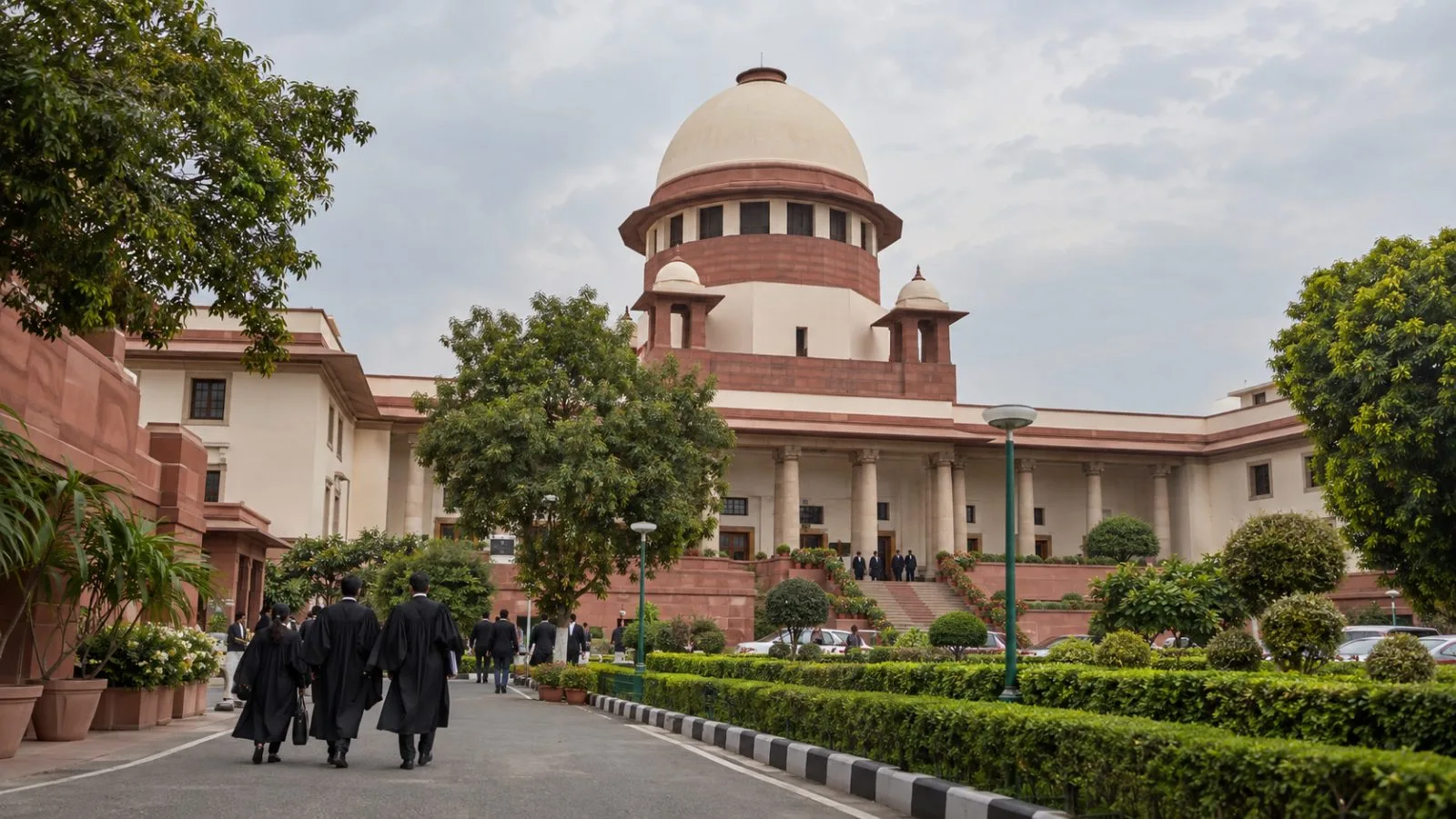
The Economic Times and KotakNeo reported Nov. 16 that the Reserve Bank of India (RBI) filed for Supreme Court review of Yes Bank's ₹8,415-crore bond write-down, testing who can impose losses in a bank rescue.
On Oct. 15, the Supreme Court dismissed appeals from Yes Bank, the RBI and the Union government, leaving the Bombay High Court's order setting aside the write-down in force. The court said the administrator could not use a regulatory power that belonged to the RBI in these circumstances. EconoTimes previously reported on the court's decision.
The legal dispute turns on which version of Yes Bank's rescue plan governed. A clause authorizing the bond reduction appeared in a draft but was omitted from the final scheme, according to the judgment. The government imposed a moratorium on the bank on Mar. 5, 2020, and the RBI appointed an administrator that day. The final scheme was notified Mar. 13, and the administrator wrote down the bonds Mar. 14.
The ₹8,415 crore total comprised two issues: ₹3,000 crore dated Dec. 23, 2016, and ₹5,415 crore dated Oct. 18, 2017, court records show. AT-1 bonds are capital instruments designed to absorb losses when a bank is under financial stress.
Yes Bank disclosed on Nov. 13 that it had filed a separate review petition under Article 137 of India's Constitution. The Supreme Court's judgment also said the appeals would not affect the bonds' annual coupon rate.
Axis Trustee Services said it e-filed a contempt petition against Yes Bank and certain officials on Nov. 6. The trustee said registry scrutiny was expected after the Supreme Court reopened on or after Nov. 16.