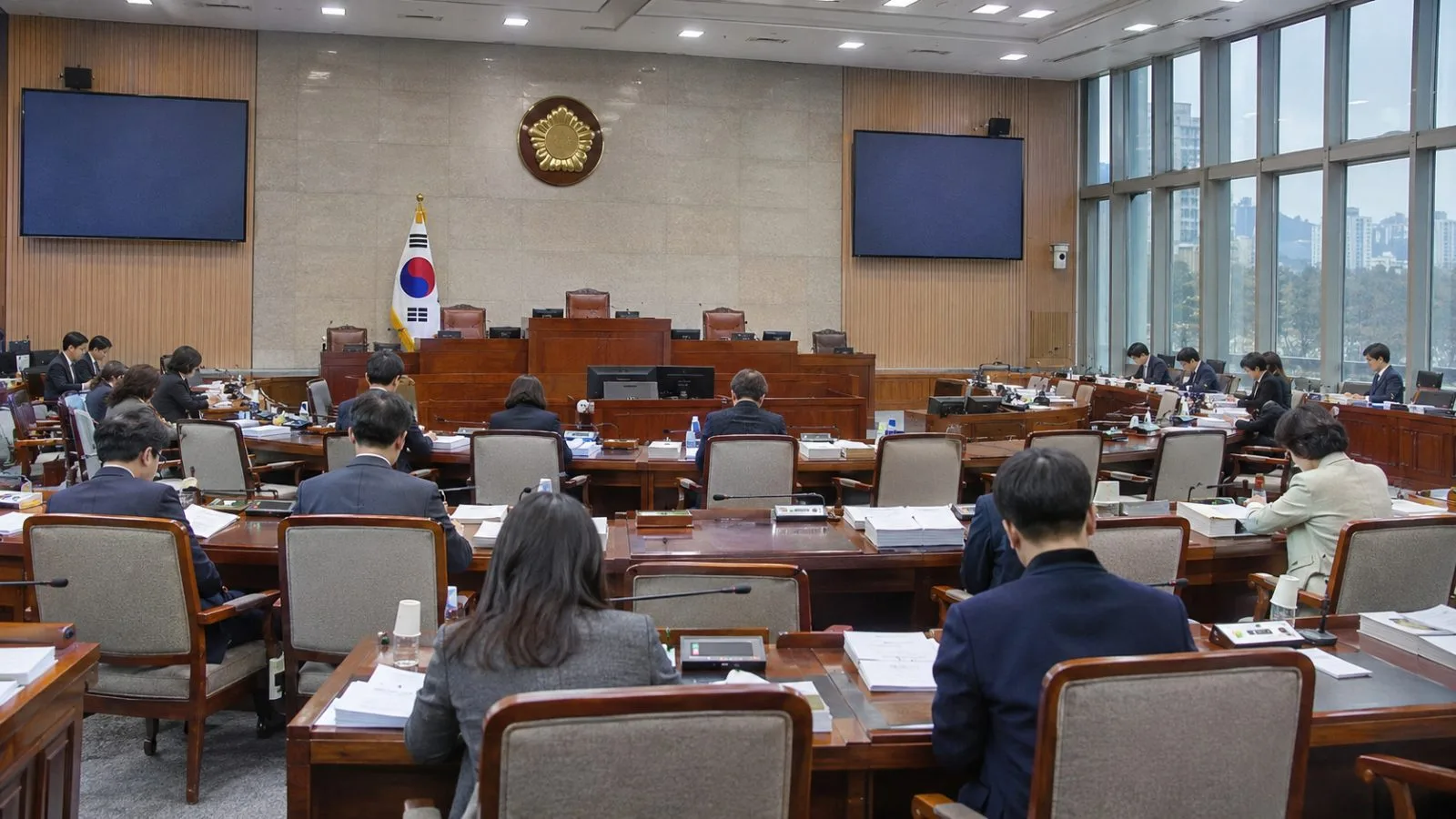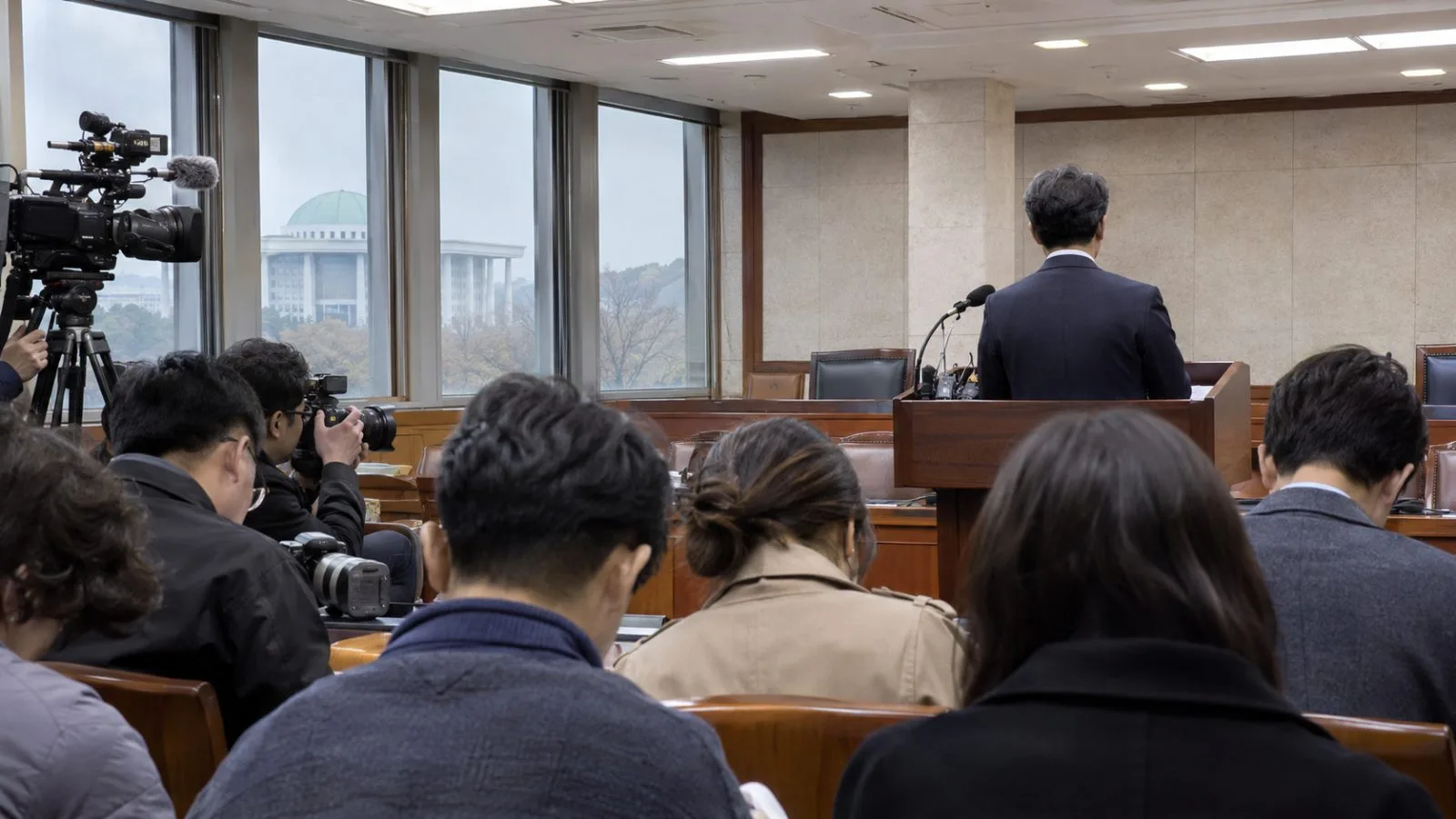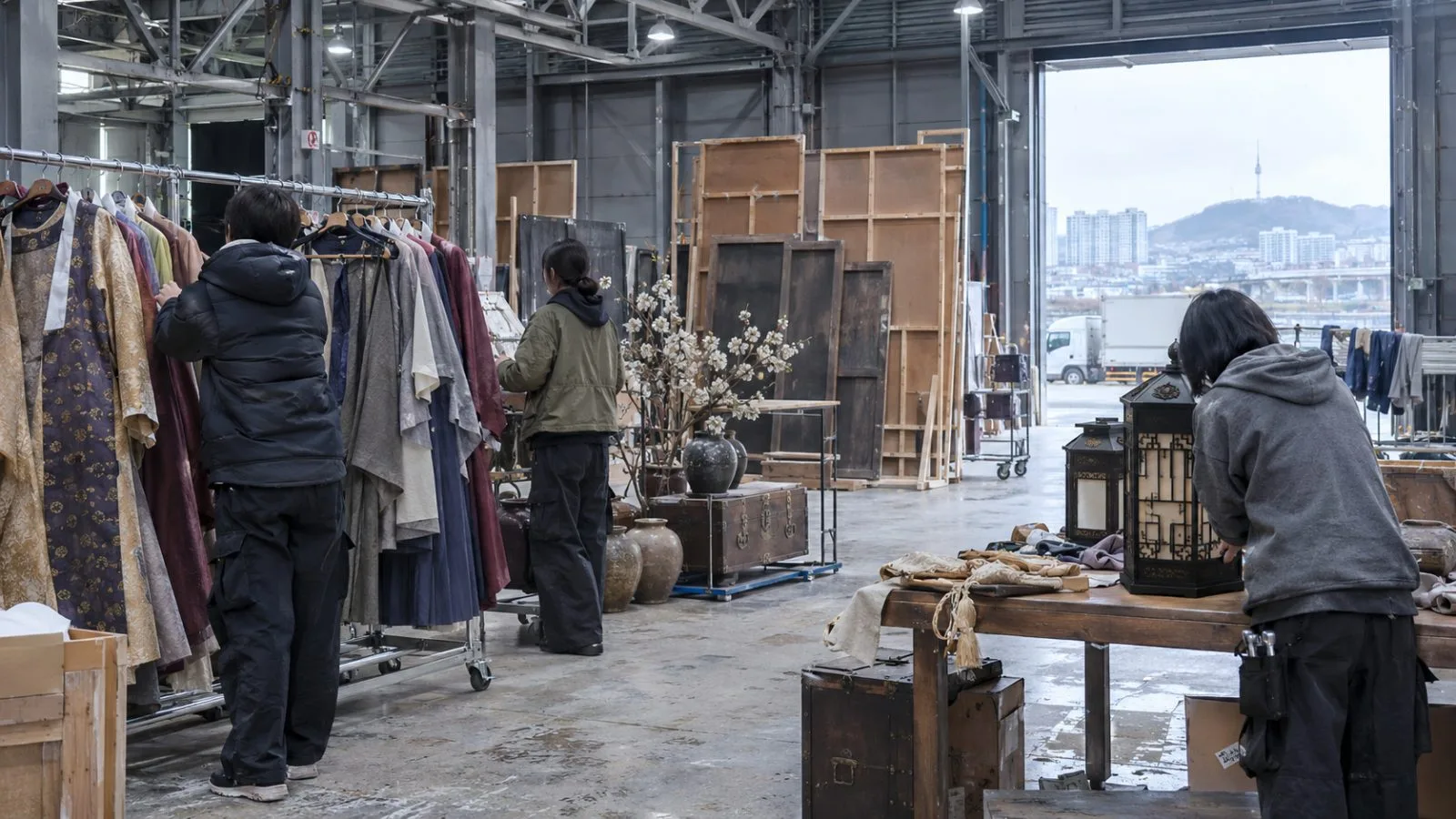
A Hanbit Media Labor Rights Center survey estimates 84.8-hour weeks for South Korean costume, makeup, art and props team members during filming periods, highlighting reported gaps in extra pay and insurance.
The survey covered 223 workers on dramas and other entertainment video projects. Hanbit’s weekly estimate applies to 191 respondents who were team members in those departments. It calculated an average working day of 15.4 hours for that group during filming periods.
Among the 191 team members, 84.3% said they received no additional pay when their workweeks exceeded 52 hours. Separately, four of 73 drama workers who said they had employment contracts reported enrollment in all four social insurance programs.
Another Hanbit study examined about two months of arrival and departure records for 14 drama directing and production staff. After deducting a fixed allowance for breaks, it calculated an average workweek of 54 hours, 18 minutes. The longest recorded day was 20 hours, 27 minutes. The studies used different methods and covered different groups; neither establishes an industrywide average.
South Korea’s general labor rules set a 40-hour standard week and permit up to 12 hours of agreed overtime for covered employees. The group averages do not establish whether any individual production complied with those rules.
Netflix counted 48 million views for Teach You a Lesson in its global viewing report for January through June 2026, illustrating the audience a Korean series can reach.
Hanbit said time spent preparing for shoots and wrapping up afterward can be left out of work records. It also described delayed payments from prime contractors and added costs for team leaders and department heads who remain responsible for their crews’ pay and hours. The center said written contracts and the 52-hour framework had brought some improvement over the past decade.
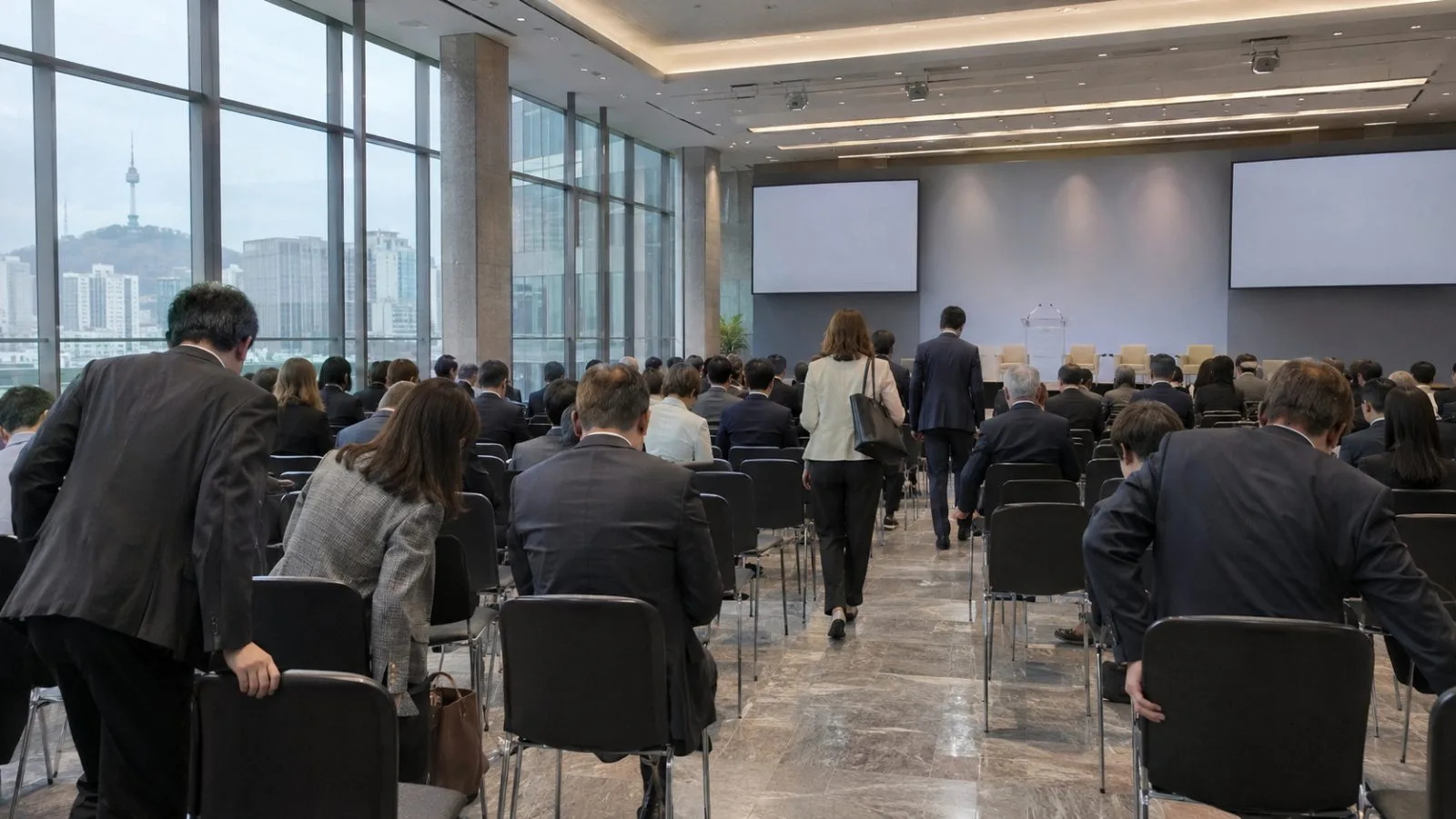
At an Oct. 21 forum in Seoul, an official from the Ministry of Culture, Sports and Tourism described an ongoing study of changes to standard contracts, according to Hanbit’s account. The account said an official from the Ministry of Employment and Labor was considering oversight of workplaces using freelance agreements. Neither official set a decision date.