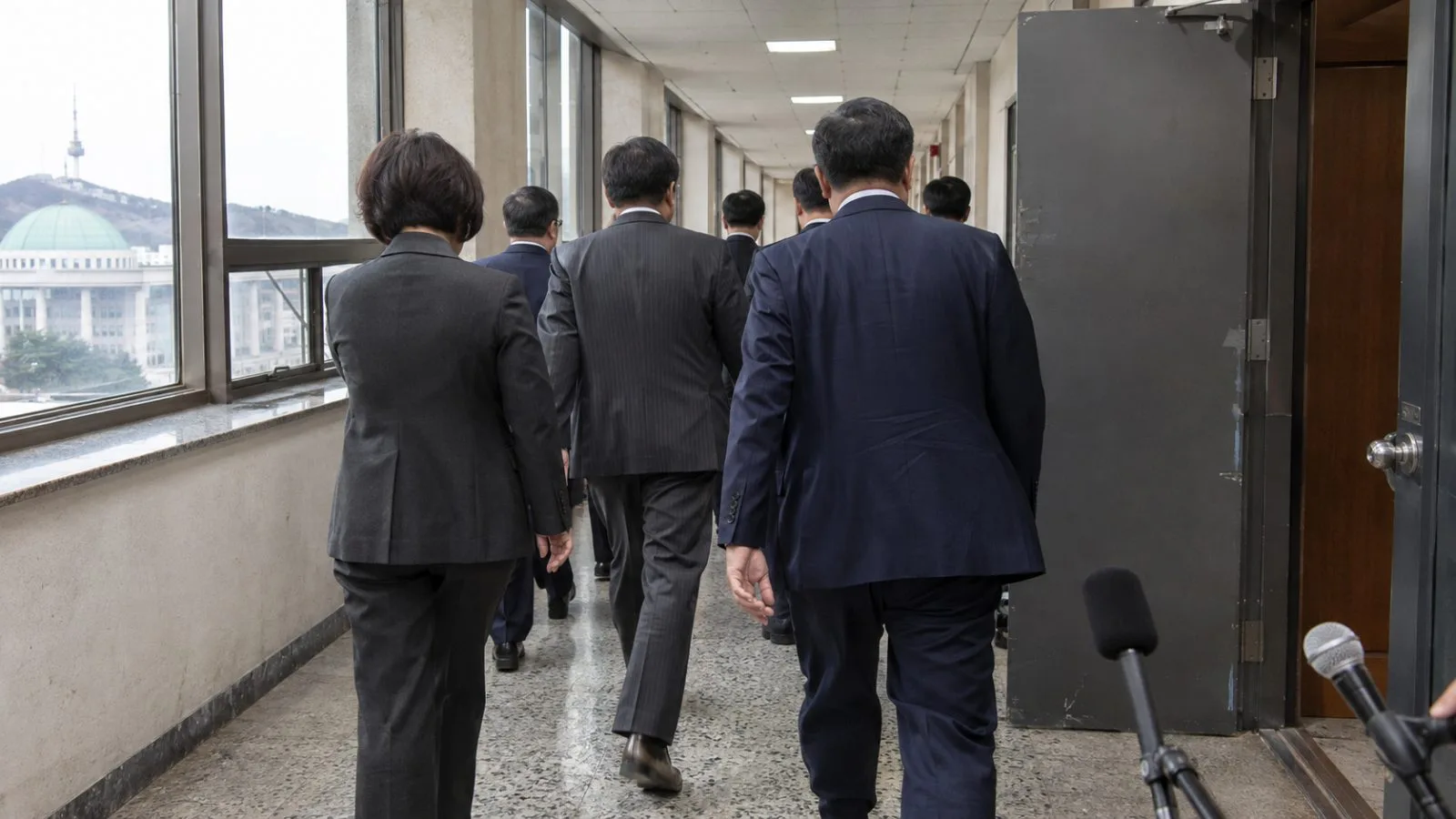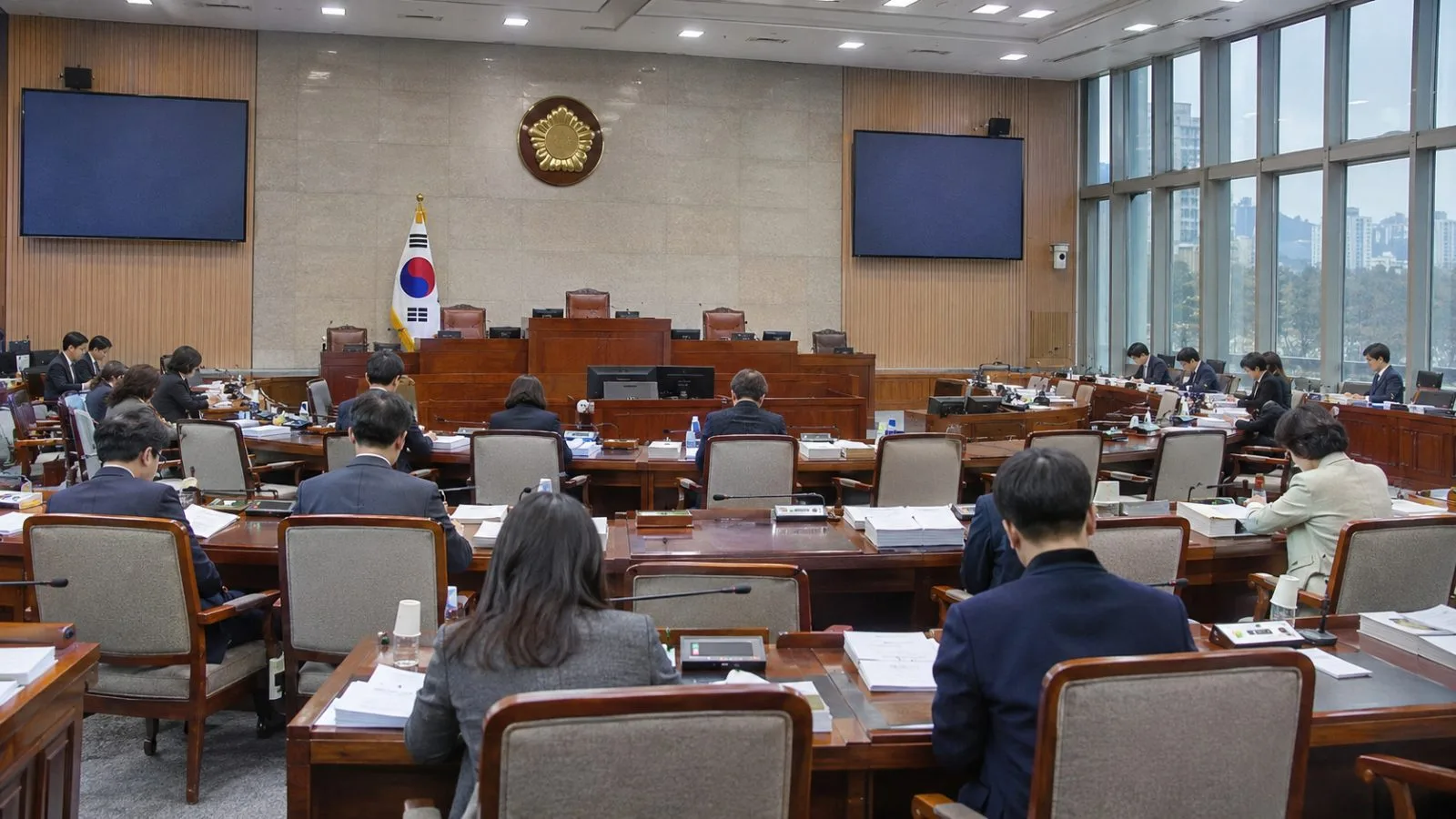
South Korean lawmakers disputed whether to invest a semiconductor tax windfall or reduce debt Wednesday, The Korea Herald reported, sharpening a divide over the government’s proposed 2027 budget.
The dispute centers on a 162.3 trillion won Future Response Fund alongside a proposed 820.9 trillion won spending plan. The fund would use additional tax revenue associated with the semiconductor boom.
Under the proposal, 45.4 trillion won would support young people, growth industries, regional development, education and training. Another 104.4 trillion won would be held in reserve, while 12.5 trillion won would cancel plans to issue new national debt.
Prime Minister Han Seong-sook told lawmakers on the Assembly’s budget committee that South Korea’s finances remained manageable. Budget Minister Park Hong-keun said the fund would finance investment and help cushion swings in public finances.
Rep. Ahn Do-geol of the ruling Democratic Party of Korea argued that economic growth had increased tax receipts and that investing part of the gain could support further growth. The government also defended investment as a way to strengthen South Korea’s position in artificial intelligence and spread the benefits of growth.
The opposition People Power Party argued that more of the tax windfall should go toward debt reduction. It questioned the fund’s investment criteria. Rep. Na Kyung-won accused the administration of reserving money for electoral use.
The disagreement predates Wednesday’s hearing. The People Power Party had called for the 104.4 trillion won reserve to be used to repay debt and sought at least 30 trillion won in cuts to the proposed budget.
An Oct. 30 National Assembly Budget Office review raised questions about the fund’s funding sustainability, fiscal soundness and parliamentary oversight, as described in earlier EconoTimes coverage of the budget proposal.
Lawmakers face a Dec. 2 legal deadline to pass the budget.