Boehringer Ingelheim said Nov. 9 its experimental obesity drug survodutide met the primary cardiovascular-safety objective in a 5,530-person trial, while gastrointestinal effects prompted about one in five treated participants to stop medication.
The Phase 3 SYNCHRONIZE-CVOT trial compared weekly injections of survodutide at 3.6 mg or 6.0 mg with placebo. Participants had overweight or obesity and established cardiovascular disease or chronic kidney disease, or at least two weight-related complications or cardiovascular risk factors, Boehringer said.
The primary endpoint tracked the time to the first of five events: cardiovascular death, nonfatal stroke, nonfatal heart attack, ischemia-related coronary revascularization or a heart-failure event. Boehringer reported a hazard ratio of 0.89 versus placebo, with a 95% confidence interval of 0.67 to 1.18, and said the result met the trial’s noninferiority objective. The interval includes 1, so the primary finding does not establish that survodutide reduces cardiovascular events.
Nausea, vomiting, diarrhea and constipation were among the most commonly reported adverse events. Treatment stopped because of gastrointestinal events for 19.3% of participants receiving 3.6 mg and 20.8% receiving 6.0 mg, compared with 1.9% in the placebo group. Boehringer said these discontinuations generally occurred during dose escalation, when the trial protocol offered limited flexibility to adjust doses. The company said planned studies would allow more flexible dose titration.
In a secondary analysis at 72 weeks, body weight fell by up to 13.7% with survodutide, compared with 2.0% with placebo. Systolic blood pressure fell by up to 6.68 mmHg versus 1.76 mmHg, and waist circumference by up to 11.96 cm versus 2.74 cm. These estimates modeled continued treatment with no intervening events.
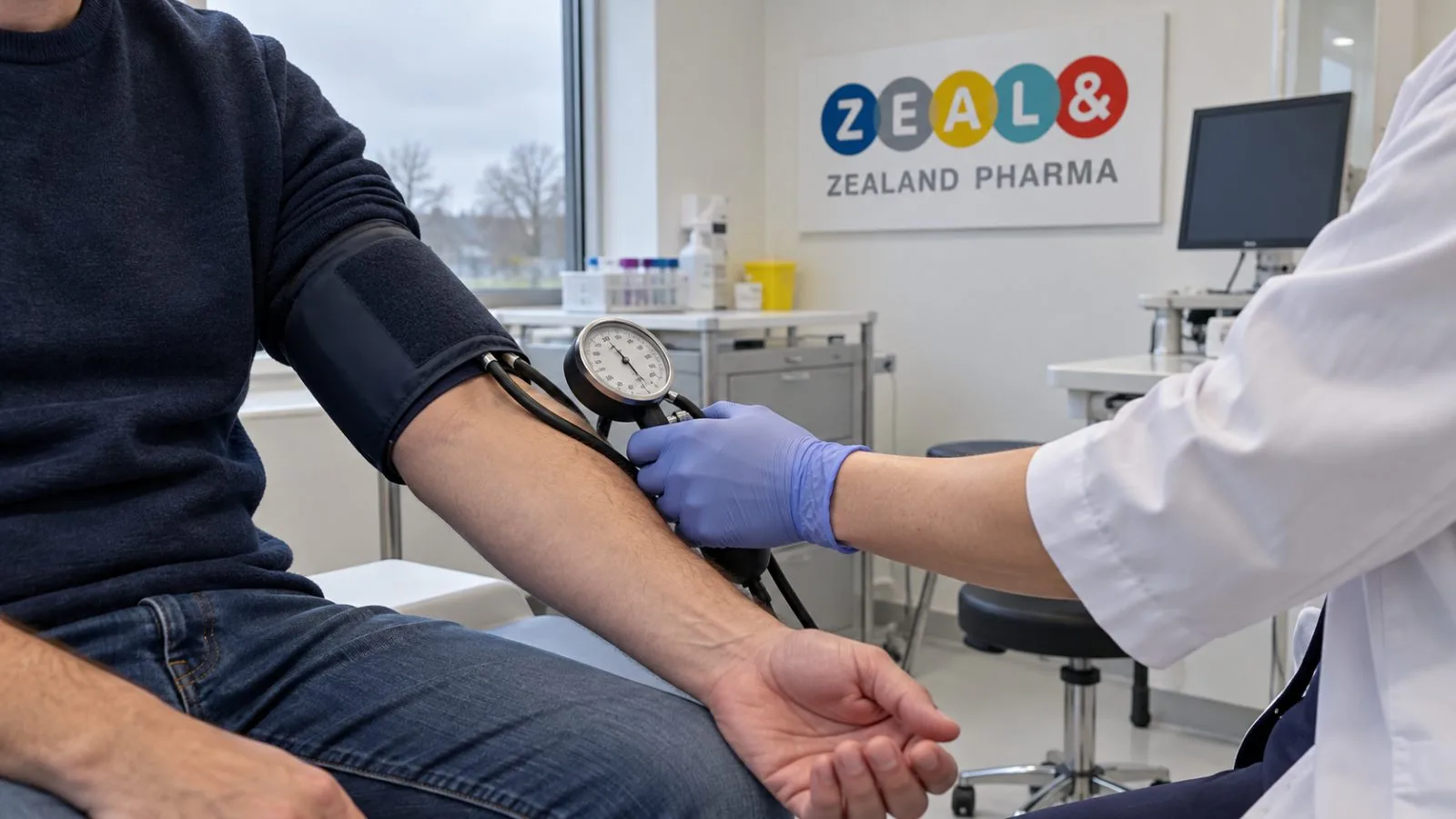
Survodutide activates both glucagon and GLP-1 receptors. Zealand Pharma A/S licensed the drug to Boehringer, which is responsible for its global development and commercialization. Boehringer said the results were presented at the American Heart Association Scientific Sessions in Chicago and published in The Lancet on Nov. 9. It is moving forward with global regulatory submissions for obesity but gave no timetable.