A data center in Falun, Sweden, is routing excess computing heat into wood-pellet drying and the town’s district-heating network, tying its energy use to local heating demand, The Guardian reported.
The Guardian reported that the facility has 80 megawatts of capacity and a fully renewable electricity supply, split between 75% hydropower and 25% wind. AI accounts for 70% of its computing power, the outlet reported.
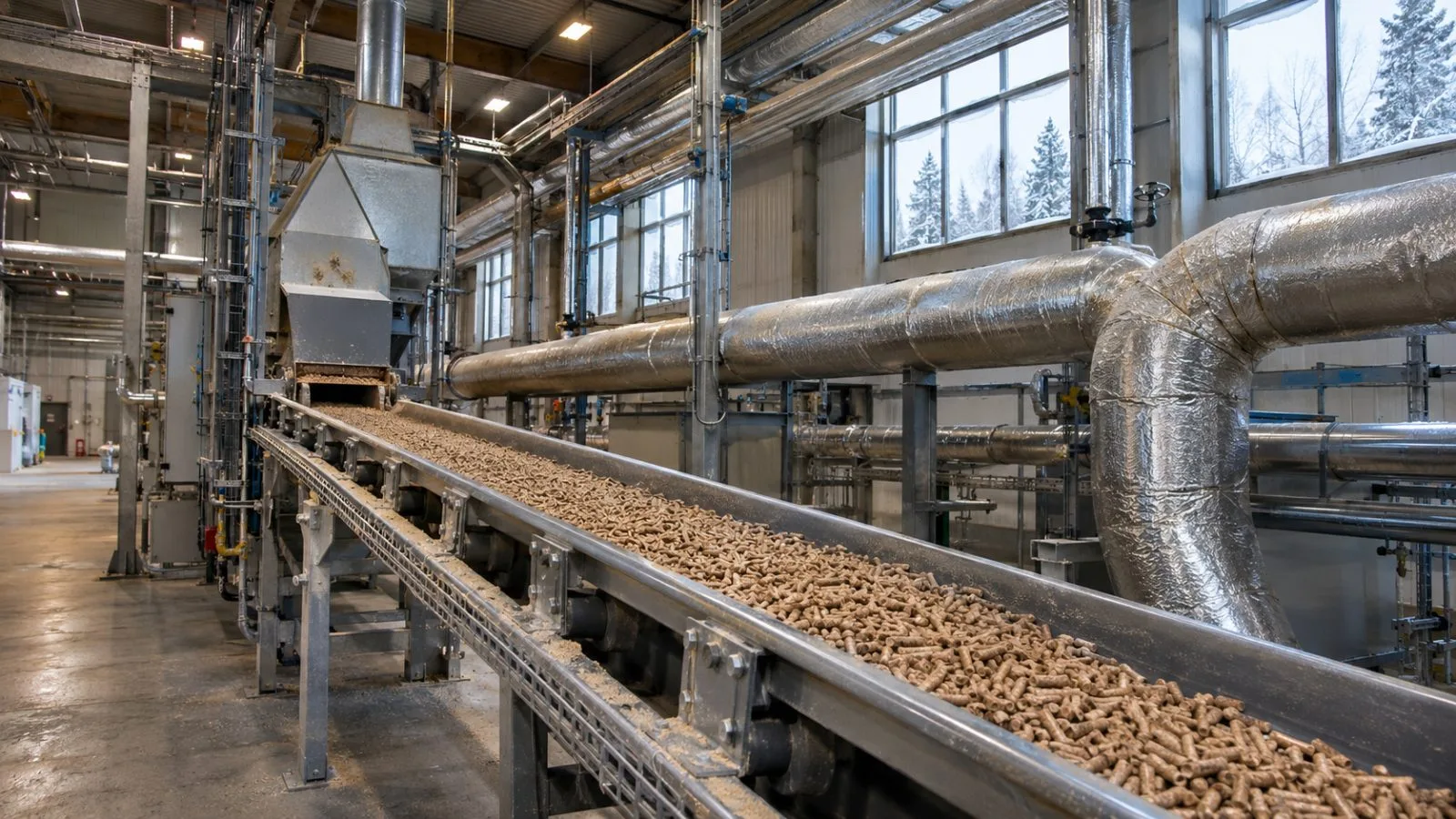
Much of the excess heat is used to dry wood pellets, a byproduct of the timber industry. The pellets are burned to provide heat, while heat from the data center also flows into Falun’s district-heating network. Burning the pellets releases carbon dioxide, though The Guardian described the emissions as arguably carbon-neutral within the timber industry’s cycle.
The outlet pointed to Sweden’s cold climate, dependable renewable electricity, and available water and land as factors supporting data center development. Rural areas can also have surplus electricity, which data centers may help balance across power grids.
Falun’s heat reuse is part of a longer-running approach to local heating. Sweden has developed district-heating networks since the 1950s, and The Guardian reported that the systems also use heat from wastewater, sewage and supermarket refrigeration.
John Wernvik, EcoDataCenter’s chief external relations and sustainability officer, told The Guardian that the municipality initiated the Falun project in 2010. He said 90% of the company’s suppliers are local and it spends 60% of its capital expenditure locally.
Work is ongoing on the rest of the Falun development. The first phase at a second site in nearby Borlänge is expected to open in 2027. The site is expected to employ 200 to 300 people, The Guardian reported.