Türkiye has brought back 100 cultural artifacts from the United States after research and cooperation with U.S. investigators helped officials document the objects’ origins and secure their return.
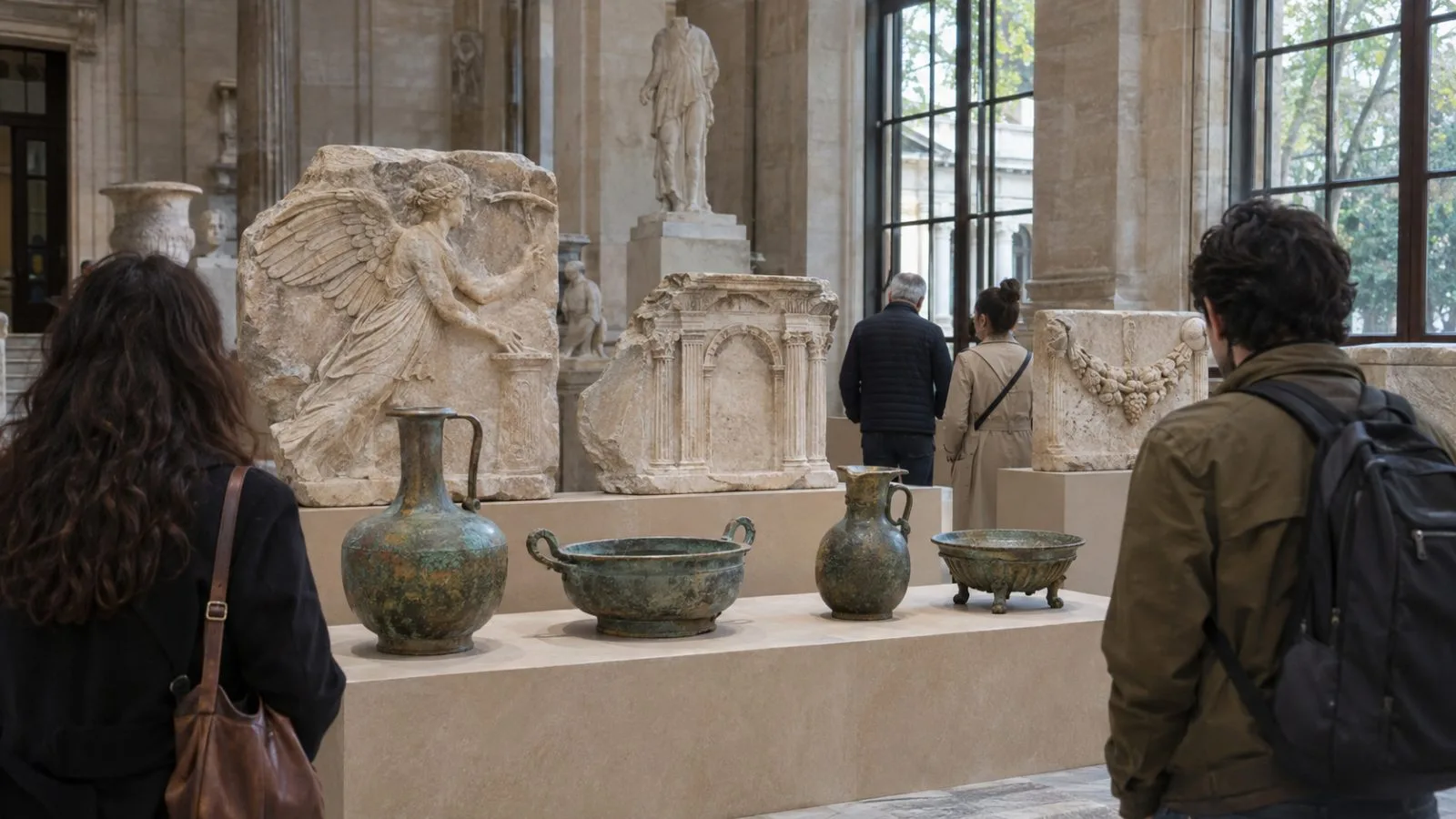
Culture and Tourism Minister Mehmet Nuri Ersoy announced the return Monday at the Istanbul Archaeological Museums. The largest groups are 40 objects from Horoztepe in Tokat’s Erbaa district and 44 architectural plaques from Düver in Burdur.
Ersoy dated the Horoztepe finds to 2300–2000 B.C. and described a varied group that includes ritual instruments, weapons and metal vessels. Documentation on illegal excavations in the area in 1953, combined with research by archaeologist Prof. Dr. Tahsin Özgüç, helped clarify how the objects were taken abroad and entered foreign collections, he said.
The Düver plaques date to the sixth century B.C. Researchers used known examples to assess the plaques’ decoration and form, then checked archival and collection records for evidence of their route abroad, Ersoy said. The ministry plans a project to bring the returned pieces together with related plaques already held by the Istanbul Archaeological Museums, he said.
Other items include a portrait linked to Aphrodisias, theatrical masks and goddess statuettes. Ersoy said the ministry’s review of historic documents and collection records helped support the portrait’s connection to the ancient city. A 1976 crime-scene report also bolstered Türkiye’s claim, he said.
Ersoy said the ministry identified Anatolian antiquities offered at a U.S.-based auction in May and shared scientific records with the Manhattan District Attorney’s Office and Homeland Security Investigations (HSI). The sale was halted and the artifacts returned, he said.
Earlier Düver returns came from the United States in 2022, Denmark in 2024 and the Virginia Museum of Fine Arts in 2025, Anadolu Agency reported. Manhattan Assistant District Attorney Matthew Bogdanos said his office’s trafficking unit had recovered 6,452 looted antiquities, including 276 from Türkiye. He urged museums, galleries, auction houses and collectors to scrutinize artifacts’ provenance.