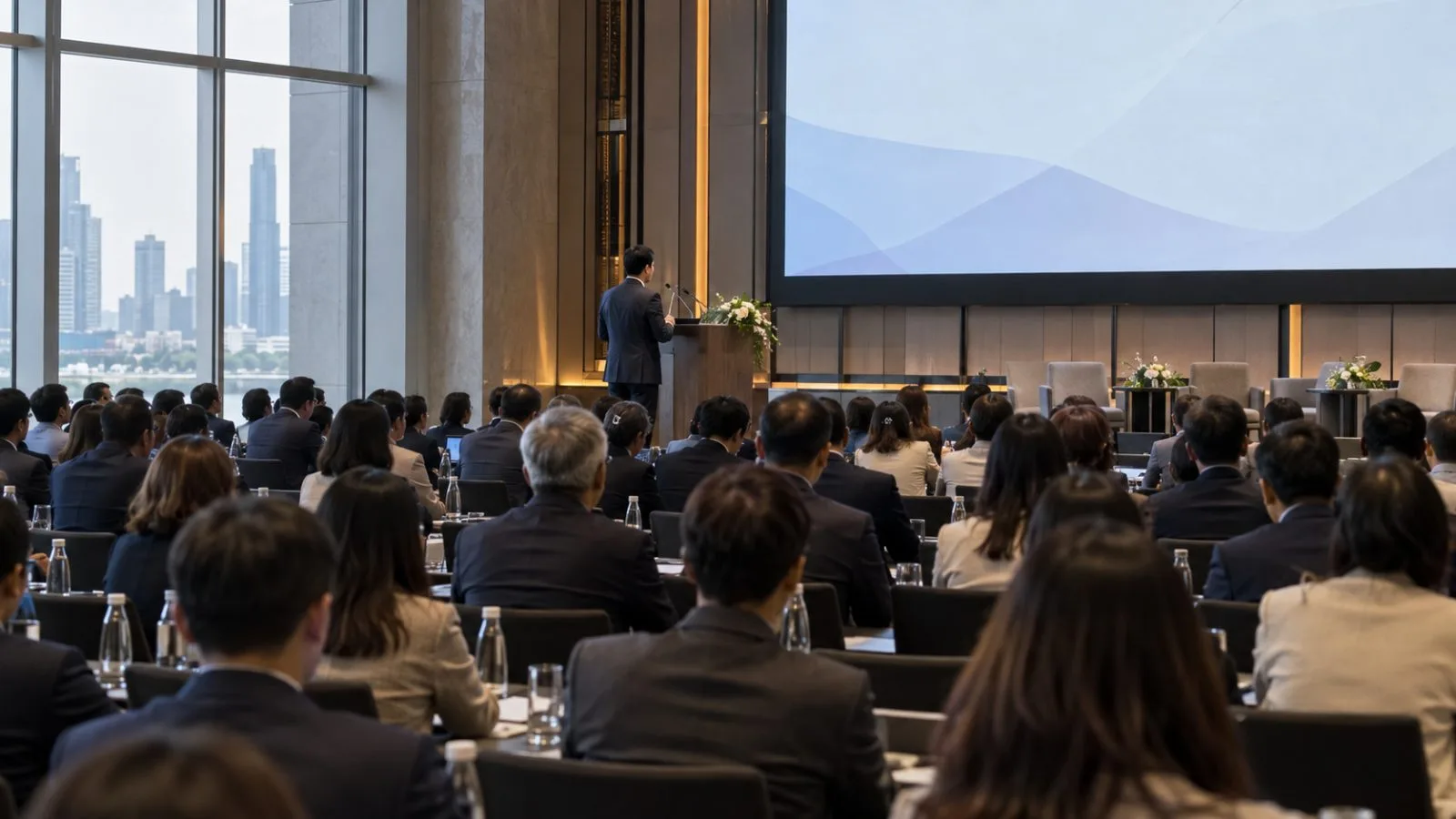
Thailand’s response to insecurity should address pressures on work, opportunity and public institutions, Thailand Development Research Institute (TDRI) Chairman Veerathai Santiprabhob said at the institute’s annual public conference Thursday, Oct. 22.
In his opening remarks, Veerathai said many people struggle to find good jobs, risk unemployment and may earn too little to cover living expenses and future needs such as retirement. He said sectors that employ large numbers of people have become less competitive, while technology and changing business practices are reshaping work.
Smaller businesses, he added, face pressure from larger companies and lower-priced imports. Veerathai urged support for business competitiveness, wider access to digital infrastructure for small and midsize firms, and stronger skills development for workers.
He contrasted current pressures with conditions two or three decades ago, when manufacturing growth provided more dependable work and some employees could send money to their hometowns. Veerathai said workers and smaller firms face economic pressures, while people with lower incomes and fewer assets are more exposed to shocks.
Veerathai described inequality as involving income, assets and access to opportunity. He questioned whether public education still provides a reliable path to better economic prospects. His proposals included education reform, measures to raise farm output, fairer competition and more effective welfare support for people in vulnerable circumstances.
His recommendations for government included fighting corruption, revising outdated laws, improving the productivity of public agencies and maintaining fiscal discipline. Veerathai presented the proposals as long-term priorities, saying durable progress requires work beyond immediate fixes.