A proposed route through Armenia is advancing through surveys and related rail work, while published forecasts for trade and travel times concern the broader Middle Corridor, not TRIPP itself.
TRIPP is planned to connect Azerbaijan’s mainland with the Nakhchivan Autonomous Republic through Armenian territory. A declaration signed Aug. 8, 2025, by Azerbaijani President Ilham Aliyev and Armenian Prime Minister Nikol Pashinyan said Armenia would work with the United States and mutually selected third parties on a framework. An Armenia-U.S. implementation framework published in January 2026 assigns Armenian authorities final customs and border decisions.
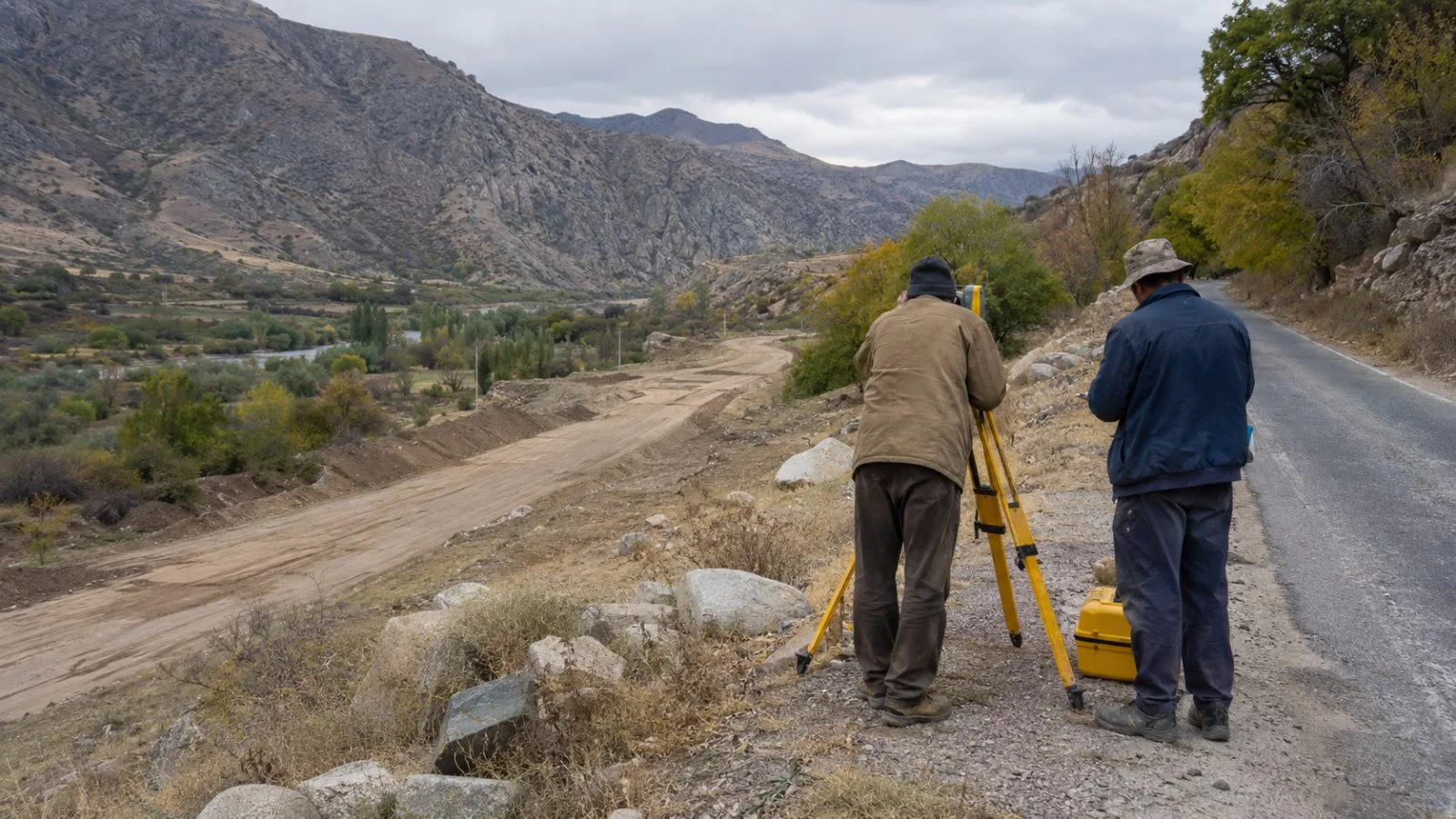
The Aug. 10, 2026, statement by the United States, Armenia and Azerbaijan said survey teams were at work in Armenia and Azerbaijan was nearing completion of the road and rail links intended to connect with TRIPP. Separately, Azerbaijan’s presidency said freight had moved since May 2024 on a 30-kilometer rail section operating temporarily and serving the Araz Valley Economic Zone Industrial Park. It put traffic on that section at 43,000 tons as of Aug. 11.
The European Union, Azerbaijan and the European Bank for Reconstruction and Development agreed in January 2026 to begin a feasibility study for a railway to Nakhchivan. The EU places the line within the Trans-Caspian Transport Corridor, whose stated target is a 15-day transit between Europe and Central Asia. The EU also says the railway could improve mobility and economic flows.
The World Bank’s outlook for the wider Middle Corridor allows for travel times to fall by half and trade flows to triple by 2030 if investment and efficiency measures are implemented. Those figures do not forecast traffic on TRIPP. The European External Action Service said international partners had made a collective commitment to mobilize €10 billion for wider Trans-Caspian connectivity; it did not identify an allocation for TRIPP.
A May 2026 framework proposed a joint venture in which a U.S. International Development Finance Corporation-owned entity would hold a 74% stake and Armenia 26%. The project documents do not give a total construction cost or say how those costs would be divided.
Operating arrangements also remain unsettled in the cited texts. A 2020 statement by the leaders of Azerbaijan, Armenia and Russia assigned transport control to Russia’s Federal Security Service Border Guard Service. Later TRIPP documents give Armenian authorities final customs and border decisions; the texts leave the relationship between the arrangements unresolved.
In a Nov. 3 opinion article, Dr. Matin Mammadli of Baku’s Centre for the Analysis of International Relations argued in Euronews that stronger economic ties could support regional peace. Aliyev said Aug. 23 that construction in Armenia could begin at the end of 2026 or early 2027.