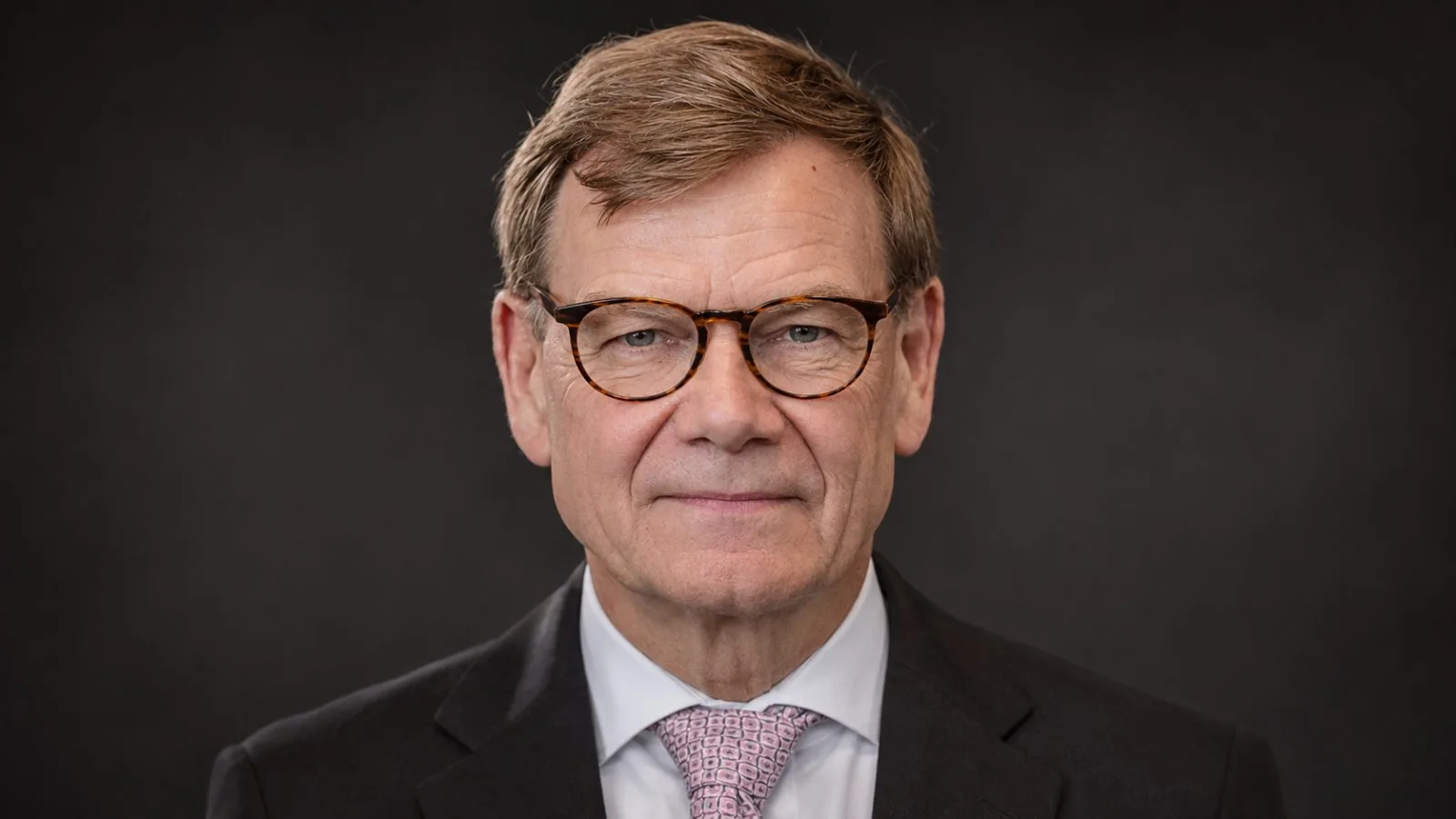
A durable peace between Armenia and Azerbaijan could strengthen security in the Southern Caucasus and support stability around Europe, German Foreign Minister Johann Wadephul said Tuesday as he outlined Berlin’s support for the process.
The Federal Foreign Office issued Wadephul’s remarks Nov. 17, before he traveled to Baku and Yerevan. He said Armenia and Azerbaijan should determine their own future, including whether to develop closer ties with Europe, rather than leave that choice to Moscow.
Wadephul linked Russia’s war against Ukraine and its pressure in the Southern Caucasus to Moscow’s effort to retain influence over neighboring states. He presented the issue as part of a wider dispute over whether countries can set their own political direction.
During the trip, Wadephul planned to discuss German support for reducing tensions and advancing a settlement. Germany elevated its relations with Armenia and Azerbaijan in 2025, and now wants to put shared priorities with each country into practice, he said.
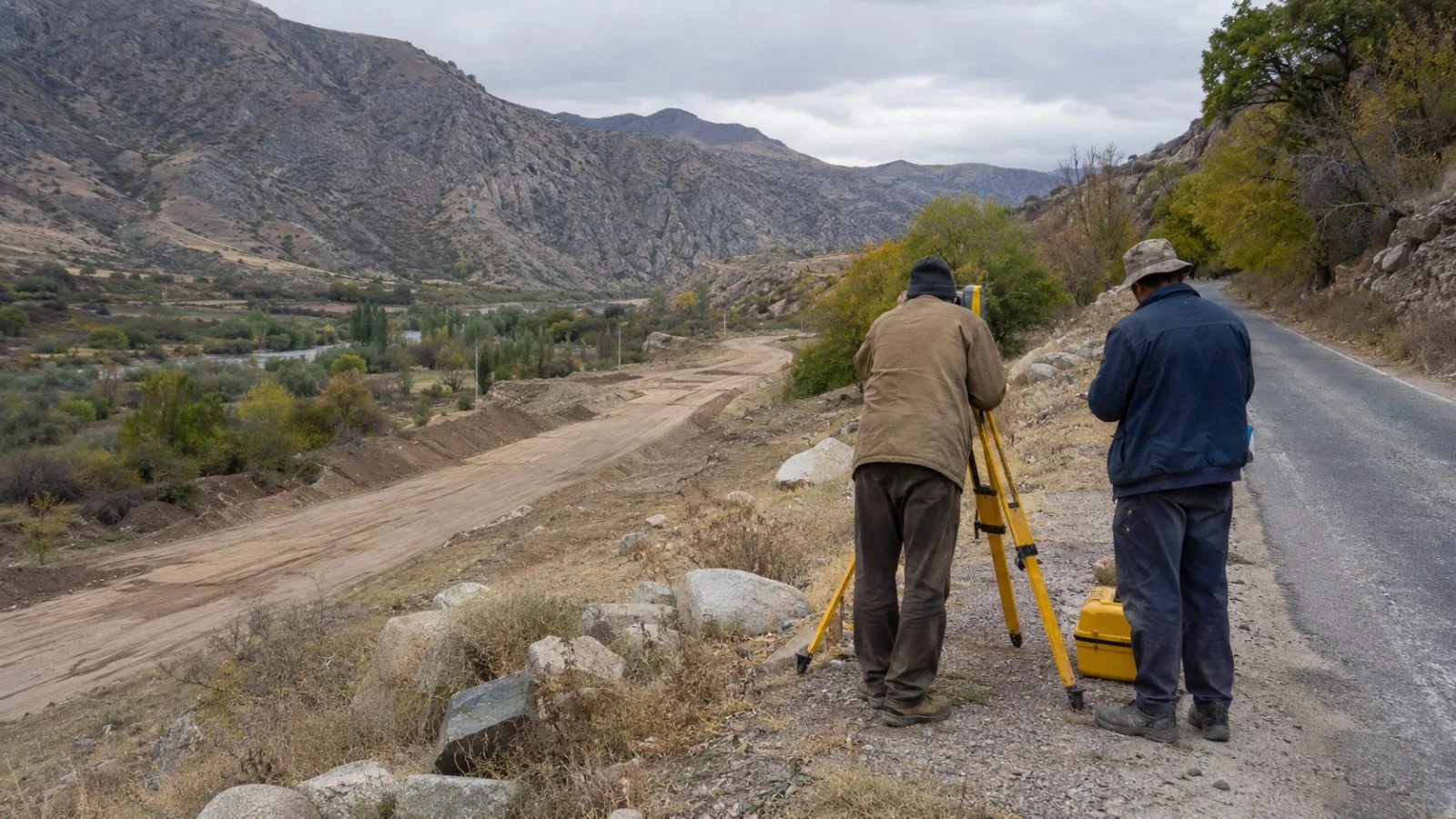
Armenia and Azerbaijan initialed a peace agreement in 2025, a significant step in the process, Wadephul said. The Federal Foreign Office described the Southern Caucasus as a hub between Europe and Asia, with potential for new transport connections within the region.
Wadephul also identified trade and energy cooperation as areas with potential. He argued that a lasting settlement could rebuild confidence and improve security, while stronger transport links could support closer ties across the region.
The statement set those possible gains against decades of conflict, violence and displacement. Wadephul said peace could benefit people in the region and contribute to stability across Europe’s neighborhood. He has also argued for restoring Europe’s existing security framework.