


 BlackRock’s Rick Rieder Favors Bonds Over Stocks as Treasury Yields Surge
  RBA Says ASX Still Falls Short on Governance and Risk Controls
  RBA Hikes Interest Rate to 4.60% as Inflation Risks Rise
  Middle East Oil Exports Top Pre-War Levels Despite Hormuz Attacks
  Asian Currencies Slide as Dollar Rises, Euro Hits 17-Month Low
  Trump Demands Powell Resign Over Fed Renovation Cost Overruns
  Yen Sinks as BOJ Rate Hike Fails to Impress Markets
  Gold Prices Rise as Weak US Jobs Data Cuts Fed Hike Bets
  Trump Plans Diesel Tax Relief as Fuel Prices Hit Record Highs
  World Bank Raises South Asia Growth Forecast to 6.9%
  Asian Currencies Steady as Dollar Holds Near 18-Month High
  RBI Rate Hike Bets Surge as Inflation Rises


 Add as a preferred source on Google
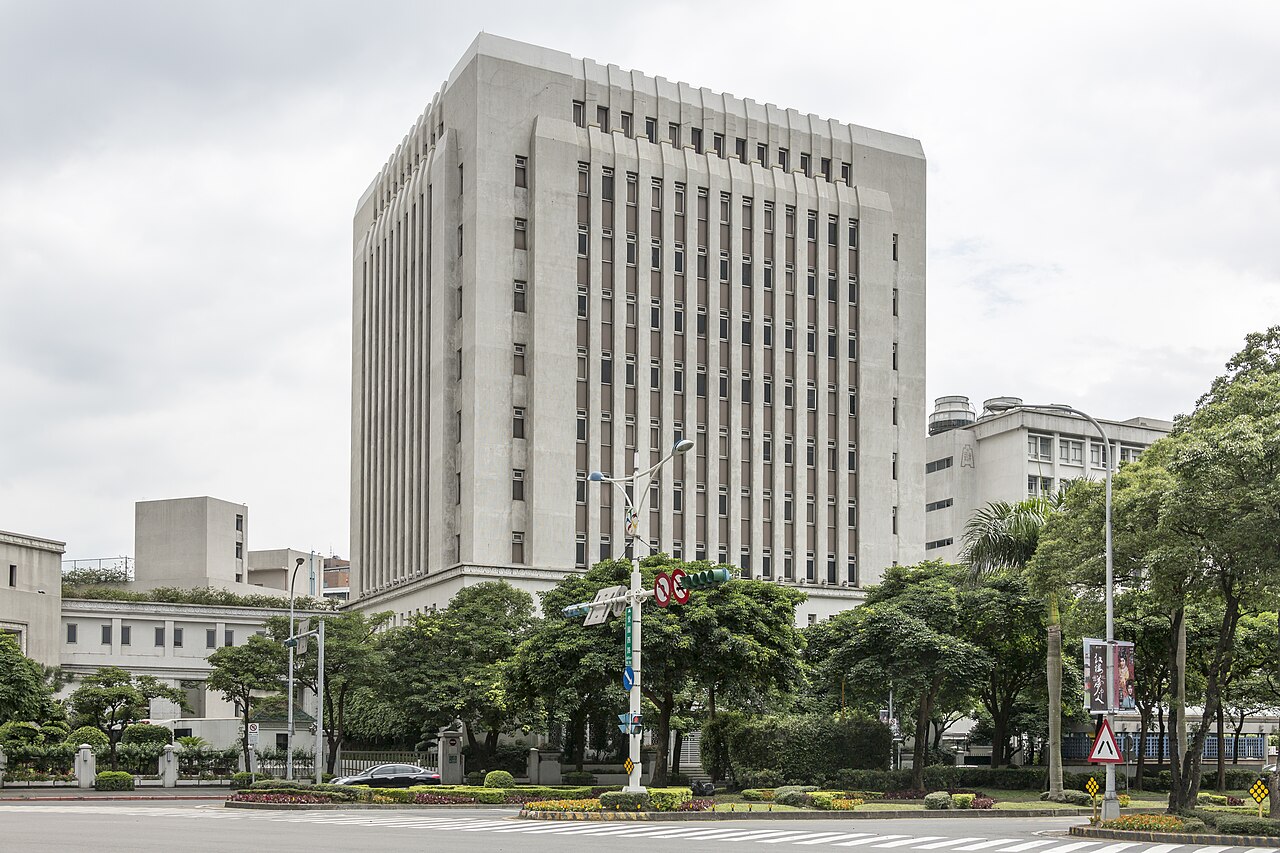
Taiwan’s central bank is widely expected to leave its benchmark interest rate unchanged at its upcoming policy meeting this week, with most economists forecasting that rates will remain steady through 2027. According to a Reuters survey, 27 of 30 economists anticipate the central bank will maintain its discount rate at 2%, while only three expect a modest increase to 2.125%.
The Central Bank of the Republic of China (Taiwan) last adjusted its policy rate in March 2024, raising it by 12.5 basis points from 1.875% to 2% in response to expected electricity price increases. Since then, policymakers have adopted a cautious approach as the economy continues to perform strongly.
Taiwan’s export-driven economy, fueled by surging demand for artificial intelligence (AI) technologies, has remained resilient. Major technology firms, including Taiwan Semiconductor Manufacturing Co. (TSMC), have benefited significantly from the global AI boom, boosting exports and economic activity. Government data released last month projected economic growth of 9.64% for 2026, marking the fastest expansion in 16 years after an 8.68% increase in 2025.
Despite the strong economic outlook, inflation remains a key concern for policymakers. Consumer inflation rose to 2.2% in May, surpassing the central bank’s 2% warning threshold and reaching its highest level in more than a year. Rising energy costs continue to pose risks to price stability, particularly amid geopolitical tensions in the Middle East.
Cathay United Bank Chief Economist Lin Chi-chao noted that a prolonged disruption to oil shipments through the Strait of Hormuz could increase fuel prices and place additional inflationary pressure on Taiwan’s economy. Under such circumstances, the central bank could face growing pressure to consider an interest rate hike in the second half of the year.
However, recent developments may ease those concerns. U.S. and Iranian officials announced on Sunday that they had agreed on a framework to end hostilities, lift the U.S. blockade of Iran, and reopen the Strait of Hormuz, a critical global energy shipping route.
Investors and market participants will closely monitor Thursday’s central bank meeting, where officials are also expected to release updated forecasts for Taiwan’s economic growth and inflation outlook for 2026.







