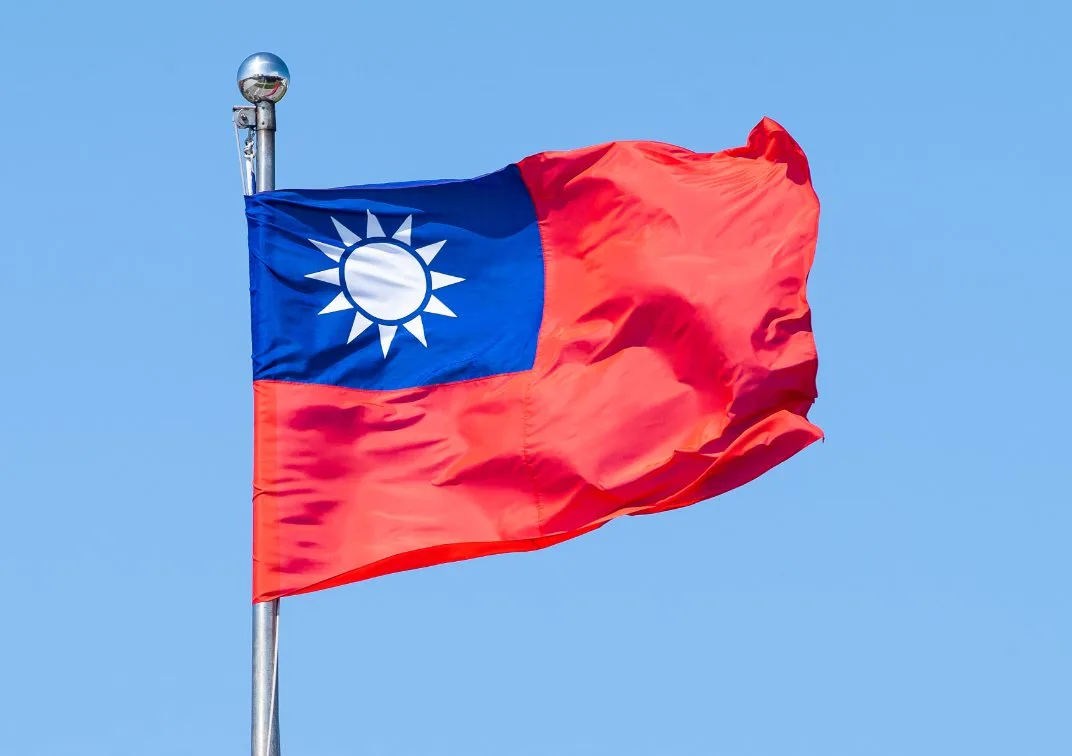
With Taiwan’s local elections set for the 28th, an analysis has found that the crisis-response capabilities of newly elected local government leaders will be crucial to deterring coercion by China, including a blockade.
According to a 25th analysis by the Council on Foreign Relations (CFR), titled “Why Taiwan’s Local Elections Matter for Deterring China,” the election will choose local government leaders, including the mayor of Taipei. They will be responsible for translating Taiwan’s national social defense policy into region-specific response systems.
As Chinese military aircraft and naval vessels increase their activities, a blockade of Taiwan could cut off energy supplies and put pressure on medical systems and communications networks. Food supplies could also be disrupted, making the role of local governments in maintaining essential services critical.
Once Taiwan’s central government sets defense priorities, local governments allocate civil defense budgets. They are also responsible for resident training, evacuation planning and stockpiling emergency equipment. The analysis said that national policies can be implemented only with cooperation from local authorities and public trust.
Concerns have also been raised that if China imposes a blockade and local response systems collapse, disinformation and psychological pressure could heighten anxiety among residents. In this year’s urban resilience exercise, Taiwan deliberately slowed mobile network speeds and assessed resource sharing between regions and cooperation with the private sector.
Katie Sizemore, an international affairs fellow in national security at the Council on Foreign Relations, argued that the United States should not limit its support for Taiwan to arms sales and security cooperation. “It should also invest in the civilian institutions and civil society organizations that enable Taiwan to withstand a crisis,” she emphasized.
Specific cooperation measures proposed included technology exchanges in emergency communications and disaster response. Cooperation between cities in the United States and Taiwan could also help build response capabilities suited to local conditions, the analysis said.