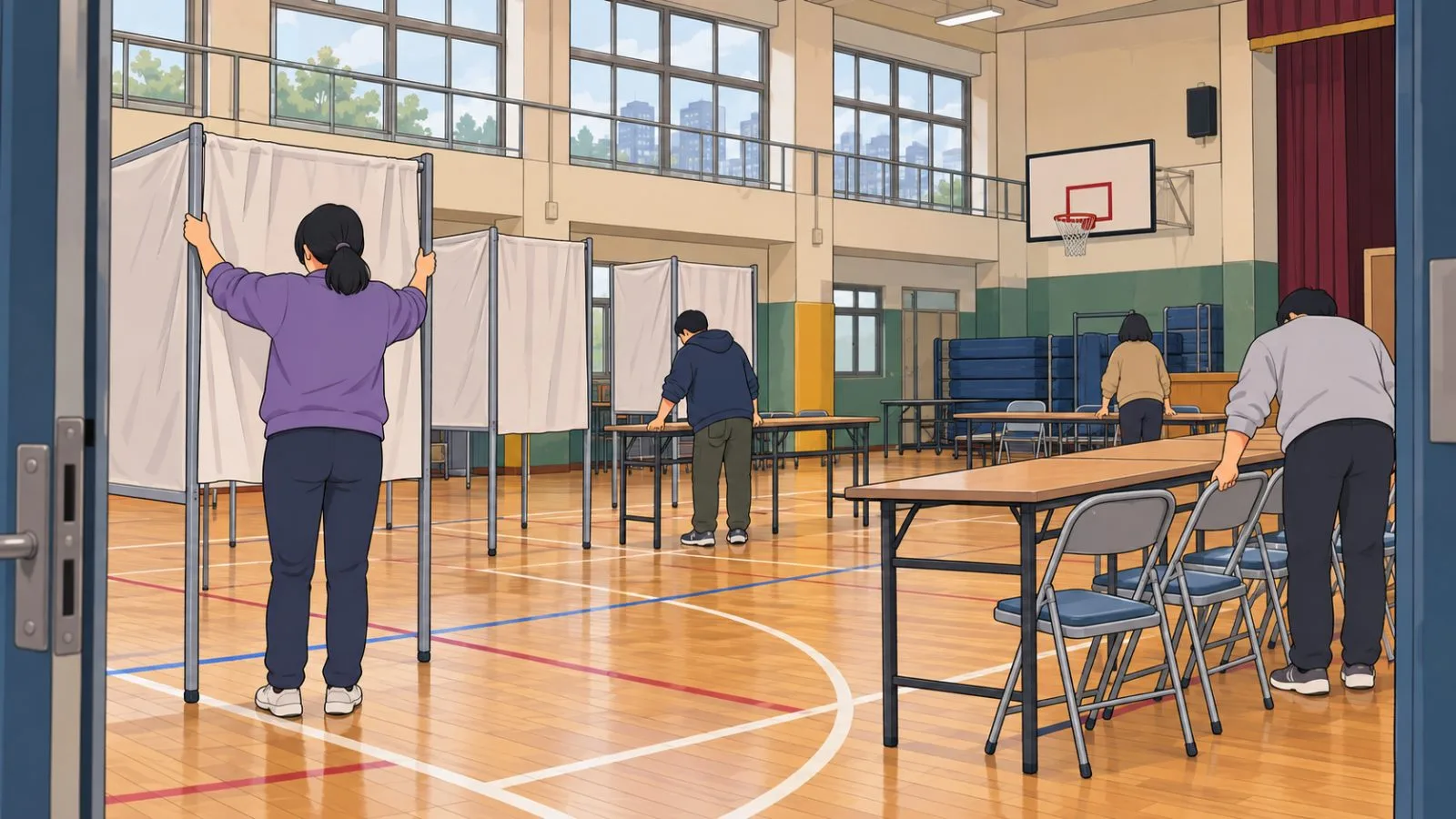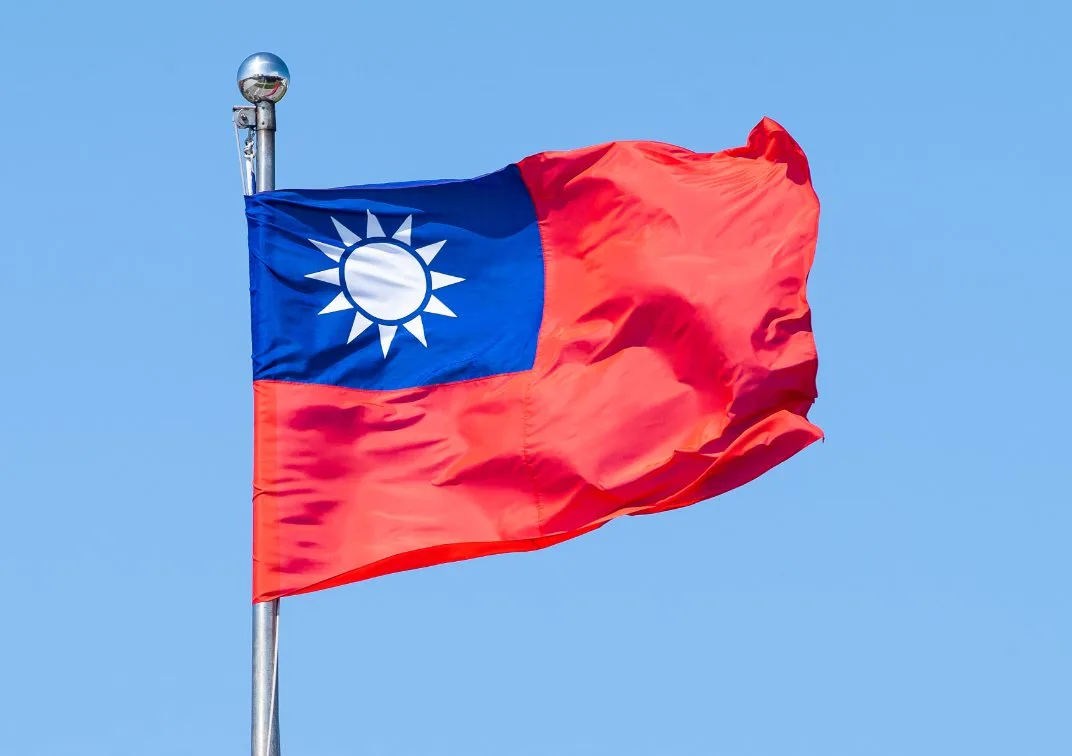
Taiwan will hold elections on Nov. 28 to choose local officials across 22 cities and counties. The vote is seen as a test of the ruling and opposition parties’ organizational strength and candidate competitiveness ahead of the 2028 presidential election.
According to a Nov. 25 analysis by the Center for Strategic and International Studies (CSIS), titled “What to Watch in Taiwan’s 2026 Local Elections,” voters will elect 11,051 local officials. Candidates from the ruling Democratic Progressive Party, the main opposition Kuomintang and the Taiwan People’s Party will compete.
The results should not be interpreted too simply as a leading indicator of the presidential election, the analysis said. Unlike presidential elections, in which voters focus on identity and cross-Strait relations, local elections are driven mainly by everyday issues such as jobs, housing and public services, as well as candidates’ administrative performance. The election will also not change the composition of the Legislative Yuan, where the Kuomintang and Taiwan People’s Party together hold a majority of seats.
Past local election victories have not translated into presidential wins. The Kuomintang won 15 of the 22 mayoral and county magistrate posts in the 2018 local elections, but former President Tsai Ing-wen of the Democratic Progressive Party won reelection in the 2020 presidential election. The Kuomintang also won 14 posts in 2022, but current President Lai Ching-te of the Democratic Progressive Party won the 2024 presidential election.
The election is also expected to affect President Lai’s standing within his party. Poor results for the Democratic Progressive Party could intensify internal criticism of his leadership. Conversely, a strong showing could increase the likelihood that he will run as the party’s presidential candidate in 2028, the analysis said.
The Kuomintang currently controls 14 of the 22 local government chief posts, leaving it with more positions to lose. The election results are expected to affect the standing of Chairman Cheng Li-wun, the successor to Chu Li-luan, within the party, as well as the party’s presidential strategy.
China is also expected to study the results and adjust its Taiwan policy ahead of the 2028 presidential election. However, the analysis said China’s long-term Taiwan policy is unlikely to be determined by the outcome of a single local election.