I can go to a hearing by Zoom or by phone, I absolutely love it – otherwise, I’d be travelling down to Sydney – Valerie, focus group
Overwhelmingly, Australian lawyers feel positive about the technological changes sweeping through their industry, and women more than men.
Whether it’s working from home or using artificial intelligence to automate routine taxes, the hundreds of lawyers we have surveyed for a new report on gender and the future of the law describe the changes as largely beneficial and in some ways liberating.
But there’s a downside too, and it might hit women more than men.
Our study, conducted as part of the University of Sydney’s Gender Equality in Working Life research initiative, was carried out through in-depth interviews with 33 senior lawyers, an online survey of 766 practising solicitors in NSW, and seven online focus groups with 30 early and mid-career lawyers.
Over the past ten years the number of women entering the profession as solicitors has climbed 67% and the number of men only 26%. Women now constitute a majority of solicitors in every Australian state and territory.
But they are underrepresented in senior leadership roles and in private practice where the dominant model of full-time work is characterised by ultra-long hours and disadvantages workers with caring responsibilities.

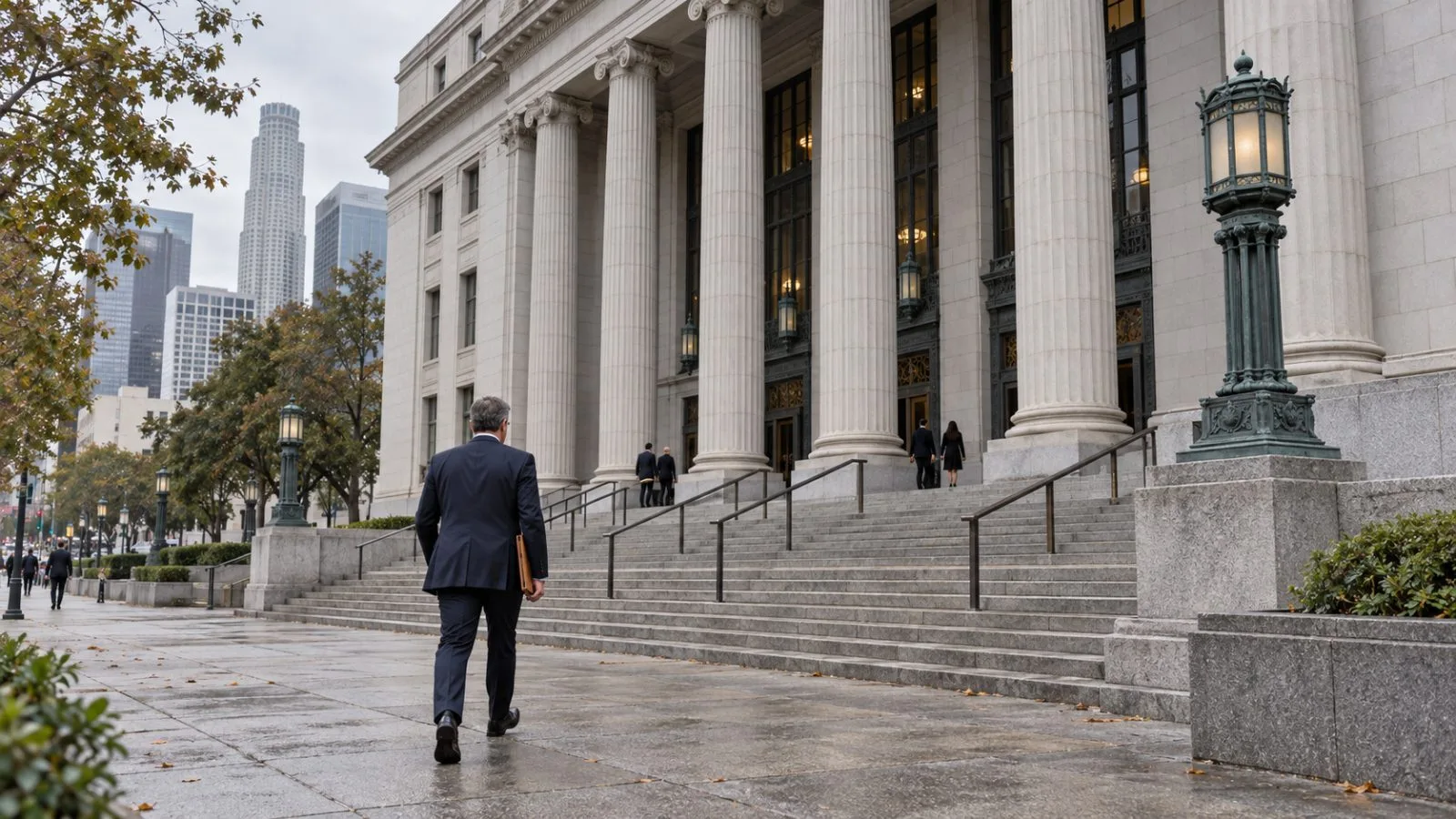
Most of Australia’s High Court judges are female. Shutterstock
What lawyers told us about automation
The lawyers we spoke to talked about how technology was “bifurcating”, “segmenting” or “dividing” the industry into lower-value work that could be easily automated, and higher-value, tailored advice.
Some thought this would would be largely beneficial, liberating them from “grunt work” and allowing them to spend more time on meaningful, higher-value work.
Anything that can be repeated easily, if it’s what I call low-end repetitive work, it can be done essentially by technology, so lawyers have to move up the value chain – Lynne
But others expressed concern about the impact of automation and artificial intelligence on gender equality, noting the concentration of women in the specialisations most likely to be affected.
The legal profession is still very much about women being in the bottom end of the profession, so I think AI, if there is going to be a detrimental impact of AI, it’s going to be on the bottom end, and that’s where the majority of women are – Carrie
Several pointed to the emergence of new types of specialised legal services firms that offered greater flexibility over hours without the “harassment, bullying and ridiculous pressures and ridiculous hours” found in big firms.
Others were concerned about an “Uberisation” of legal careers.
“I guess it brings with it a precariousness,” said one. “Particularly if it means more and more firms shed full-time stable positions.”
Overall, respondents were positive about the automation of legal tasks, women more so than men (49% positive and 20% negative compared to 44% positive and 24% negative).
Promotion pathways at risk
Junior lawyers have traditionally engaged in a post-graduation “apprenticeship”, where basic legal skills are developed through the sort of high-volume, routine legal work now under threat.
This means automation presents two types of risks for female lawyers.
One is the automation of many of the lower-value legal services where women lawyers have historically been over-concentrated.
The other is a disruption to traditional training pathways, which may affect the progression of women into the senior, higher paying roles in which they are underrepresented.
What lawyers told us about remote work
From online courts to hybrid and remote working arrangements, focus group participants told us that they have revelled in the “luxuries of technology” that have become available since the pandemic.
One of them valued working from home because
Not only does it reduce your overheads to nothing, but clients have been better trained now thanks to the pandemic, to accept legal advice over Zoom or Teams – Eleanor
But others said working from home had increased the intensity of their workload (62% of females compared to 49% of males), and increased their working hours (67% of females compared to 50% of males).
And there was concern that new working arrangements had created the expectation they had to be “constantly online”.
It would be a very common experience to have gotten an email at like 10 o'clock at night from somebody more senior than you, and then feeling that pressure that you’ve got to respond immediately – Melinda
Given that the home is often considered a “safe space” for lawyers due to the adversarial or distressing nature of their work, several talked of the struggle to draw a line between work and personal life.
I’m not doing this at home. You can’t call me after this hour. I’m taking emails off my phone because you’ve already taken my safe space. You can’t have all of me – Christina
In the absence of industry guidance in relation to how to handle tech-enabled work intensification, many in our focus groups reported needing to exercise “discipline”.
Those who found that hard identified it as an area for personal development or “something I need to work on”.
Several said boundaries had to come “from the top”, with senior colleagues leading by example and adopting reasonable work habits and working hours.
What lawyers want from their careers is changing, all the more so as the profession becomes majority female. Our focus groups told us they are increasingly seeing success as a career that’s sustainable, offering them meaning and work-life balance.
If technologies can be harnessed in ways that achieve that, they’re all for them.