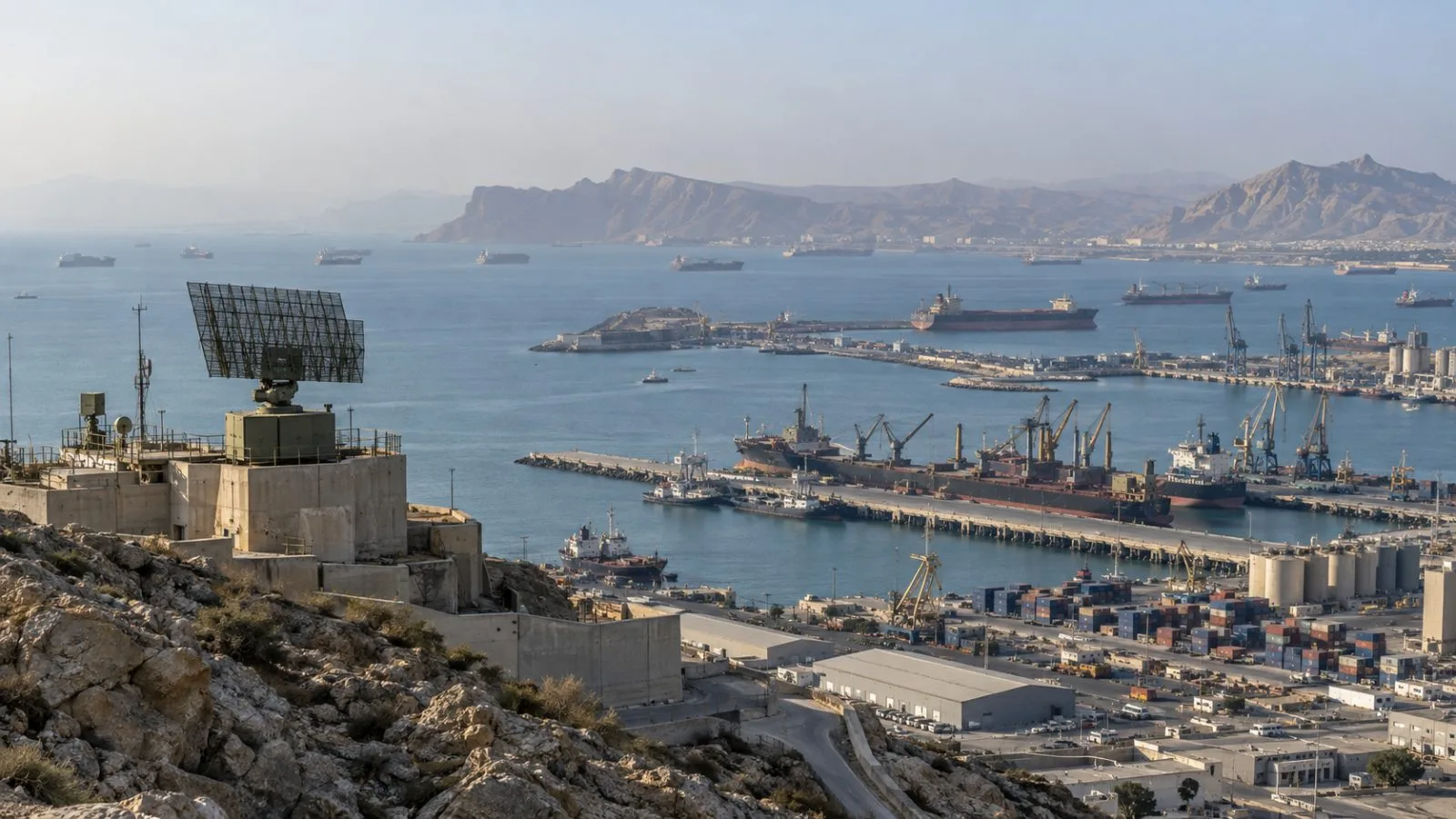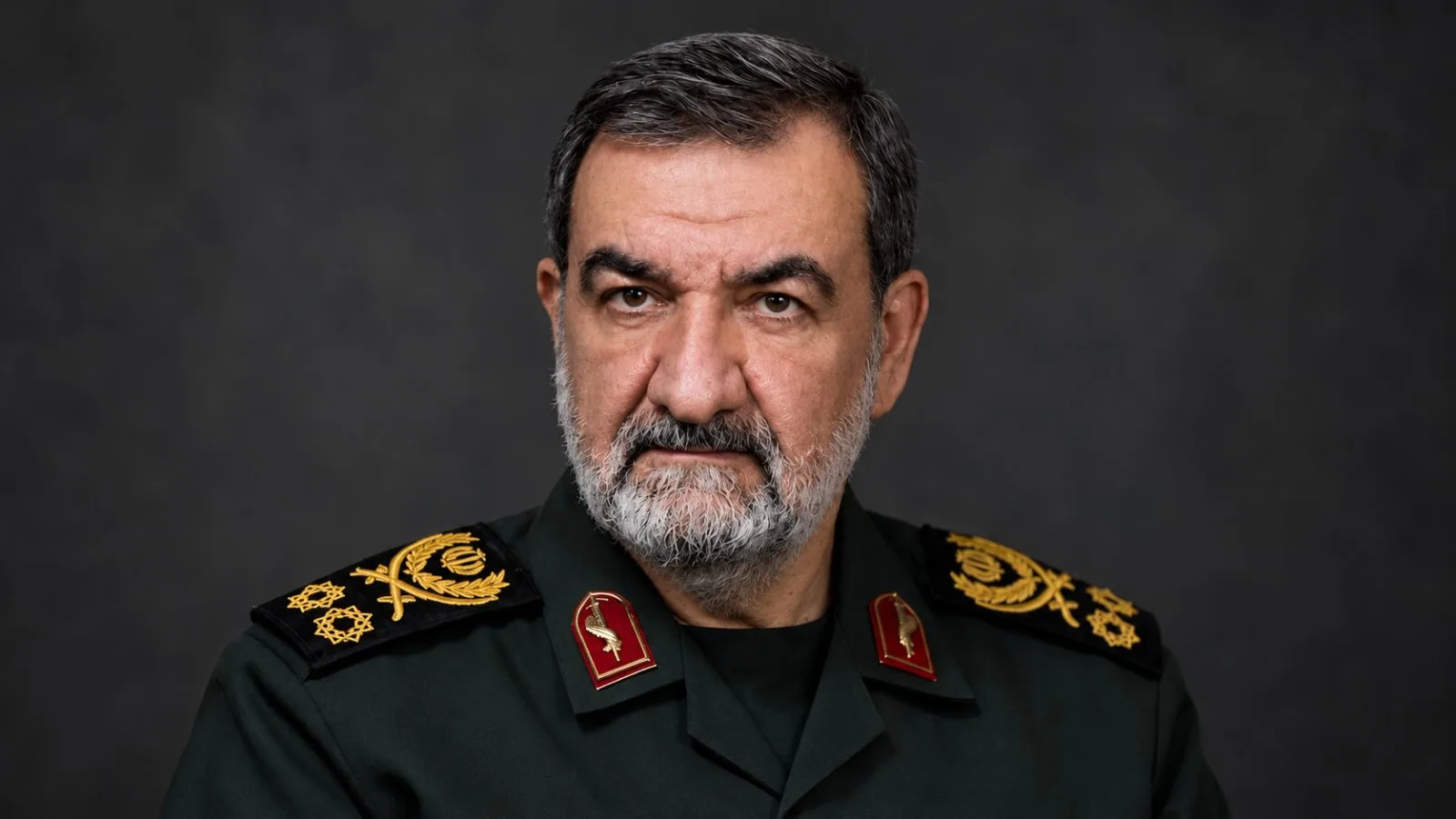
Iranian Supreme National Security Council Secretary Mohsen Rezaei said Washington must address Tehran’s seven demands before negotiations can advance, with the conditions also tied to reopening the Strait of Hormuz, a major route for energy shipments.
Rezaei described the U.S. response as inadequate, saying Washington had accepted some of Iran’s demands but still needed to address and implement all seven. Gulf News reported Iran also made lifting the U.S. naval blockade a prerequisite for restoring normal shipping through the strait.
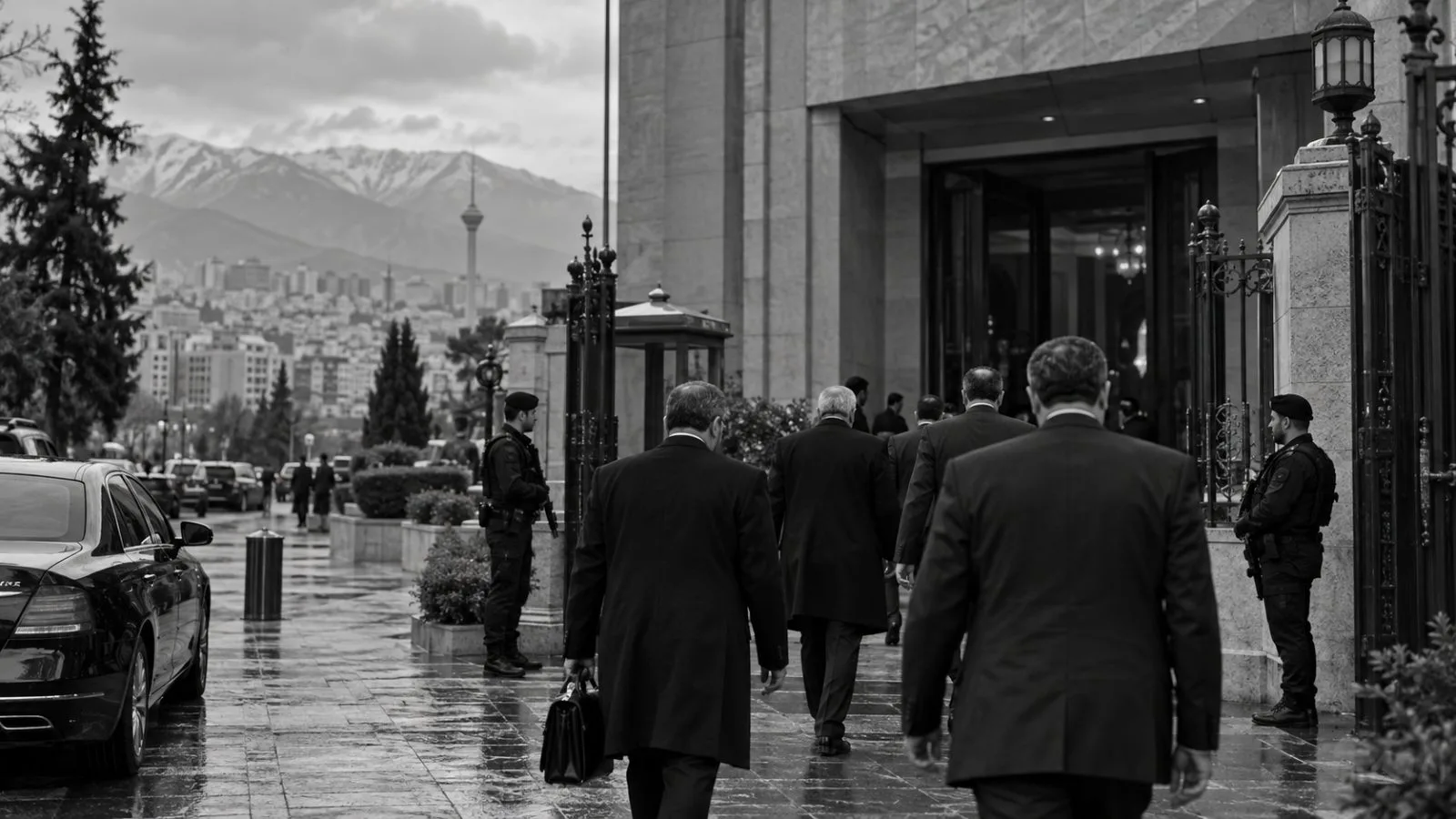
Foreign Ministry spokesman Esmaeil Baghaei said Tehran remained willing to pursue diplomacy but had little trust in Washington. He pointed to U.S. military action during negotiations and what he described as Washington’s failure to honor the Islamabad understanding. Baghaei said talks could protect Iran’s interests and help prevent further regional instability.
Gulf News reported contacts continued through Qatar and Pakistan, with no breakthrough. It also reported that hard-line Iranian newspapers warned renewed fighting could put U.S. and NATO military bases in Europe at risk.
Gulf News reported the Strait of Hormuz has faced severe shipping disruption since the war began in February. EconoTimes previously covered earlier threats involving U.S. bases and Gulf infrastructure. Baghaei said Iran’s proposal could be implemented within two days if its demands were met, down from an earlier seven-day timetable.