


 Oracle Uses Trucked Natural Gas to Power AI Data Centers Amid Pipeline Delays
  OpenAI Revenue Hits $50 Billion, Below Earlier $70 Billion Estimate
  Elon Musk Accuses Indian Telecom Giants of Blocking Starlink Launch
  Apple Names Steve Smith M&A Chief in Leadership Shakeup
  Apple Cuts iPhone 18 Pro Production Orders Amid Weak Demand
  Moonshot AI Executives Seek Settlement Ahead of Hong Kong IPO
  Amazon Cuts More Jobs as AI Investment Expands
  Robinhood Chain Eyes Priority Gas Auctions for Faster Trades
  TSMC Q3 Revenue Beats Estimates as AI Chip Demand Surges
  US Suspends Microsoft, Adobe From Green Card Program
  Solidigm Taps Goldman, Morgan Stanley for $10 Billion US IPO
  Apple Supplier Luxshare Sees Limited Impact From US Patent Probe
  Samsung, SK Hynix Shares Plunge as China Chip Competition Grows


 Add as a preferred source on Google
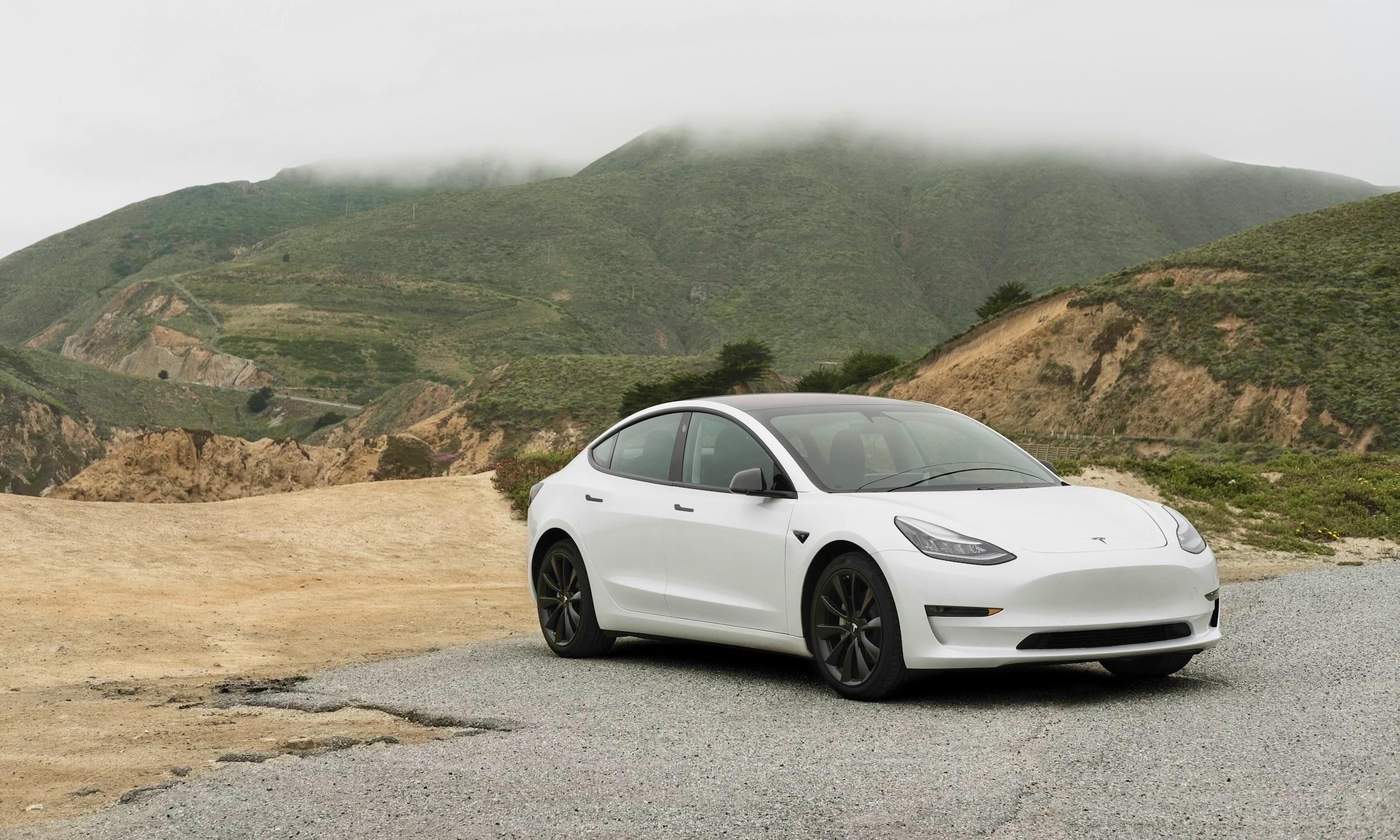
Facing an unusual inventory build-up, Tesla has implemented deep discounts on several models despite recently raising the prices of its Model Y variants. This strategic dichotomy emerges as the electric vehicle giant grapples with balancing increased production capacities and fluctuating market demand, signaling a nuanced approach to managing its sales and stock levels.
Tesla Initiates Unprecedented Early-Quarter Discounts Amid Surging Inventory
Tesla reported its first-quarter delivery and production results earlier this week, delivering fewer vehicles than expected, according to Electrek.
The automaker added more than 46,000 vehicles to its global inventory. Generally, the automaker introduces incentives and discounts near the end of a quarter to optimize deliveries and reduce inventory levels.
A source predicted that the final quarter would be challenging as Tesla introduced incentives and discounts earlier. History is repeating itself in the second quarter.
The quarter has just begun, and a quick look at Tesla's inventory reveals deep discounts. Tesla has thousands of new vehicles marked down by several thousand dollars before any state or federal incentives.
Some are demo vehicles with very low mileage and sold as new. Furthermore, some brand-new vehicles receive surprisingly large discounts, such as this Model Y rear-wheel-drive, which receives a $7,520 price adjustment.
Tesla claims this is before the $7,500 federal tax credit, which can be applied if the buyer is eligible during the purchase process. Most Model Y discounts are in the $3,000-$4,000 range, which is significant for Tesla this early in the quarter.
These "new inventory vehicle" discounts come after Tesla raised the price of all Model Y trims by $1,000 for new orders.
Tesla Adjusts Strategy with Model Y Price Hike Amidst Fluctuating Demand and Global Competition
Tesla has raised Model Y prices for all trim levels of its best-selling electric SUV. The question is, for how long?
Tesla's prices have fluctuated more frequently in recent years than most people change their sheets. The automaker has been increasing production capacity but has struggled to match demand with the new capacity. Price changes have been Tesla's go-to strategy for increasing demand during those times.
However, Tesla warned of an increase last month instead of a price cut. On April 1, Tesla followed through, raising the price of all Model Y trims by $1,000. The Model Y rear-wheel-drive now starts at $45,000, while the Model Y Long Range costs $50,000.
The source said that at this point, demand for Tesla appears to remain the same. Global competition is increasing, particularly in China. It won't get any more accessible, and no interest rate reduction is in sight.
Photo: Charlie Deets/Unsplash







