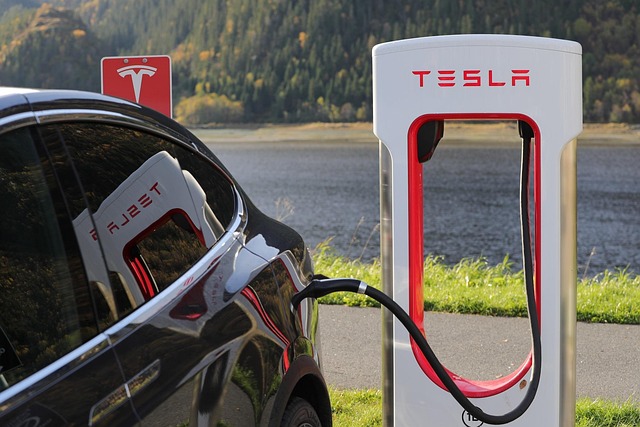
Tesla’s Full Self-Driving (FSD) software is set to become more expensive over time as its technology improves, according to CEO Elon Musk. The announcement comes as Tesla Inc. continues its transition away from a one-time FSD purchase toward a fully subscription-based model, signaling a major shift in how the electric vehicle maker monetizes autonomous driving features.
Currently, Tesla offers supervised FSD as a subscription priced at $99 per month. Buyers can still opt for a one-time FSD purchase costing $8,000, but only until February 14, after which the option will be discontinued. Musk confirmed via a social media post that the monthly subscription price will increase as FSD’s capabilities expand, particularly when the system reaches true unsupervised autonomy.
Musk emphasized that the real value leap will occur once Tesla vehicles are capable of unsupervised FSD, where drivers can safely sleep or use their phones during the entire ride. However, Tesla has not provided a clear timeline for when unsupervised FSD will be commercially available. Despite years of optimistic projections from Musk, the software remains labeled as “supervised” on Tesla’s official website.
The supervised designation follows heightened regulatory scrutiny and multiple lawsuits related to Tesla’s claims about FSD functionality. Regulators and safety advocates have closely monitored how the company markets autonomous driving features, pushing Tesla to be more explicit about driver responsibility.
Autonomous driving, artificial intelligence, and robotics remain central to Tesla’s long-term growth strategy, especially as the company faces slowing sales in its core electric vehicle business. Tesla is already testing driverless robotaxi services in Austin, Texas, and has reportedly begun trials without a human safety monitor present in the vehicle.
In a separate update, Musk revealed that production of Tesla’s Cybercab, a fully autonomous two-seater vehicle, is expected to begin in April. However, he cautioned that initial manufacturing for both the Cybercab and Tesla’s Optimus humanoid robot will progress slowly.
As Tesla pushes deeper into autonomous technology, rising FSD subscription prices appear inevitable, tying future costs directly to advancements in self-driving capabilities.