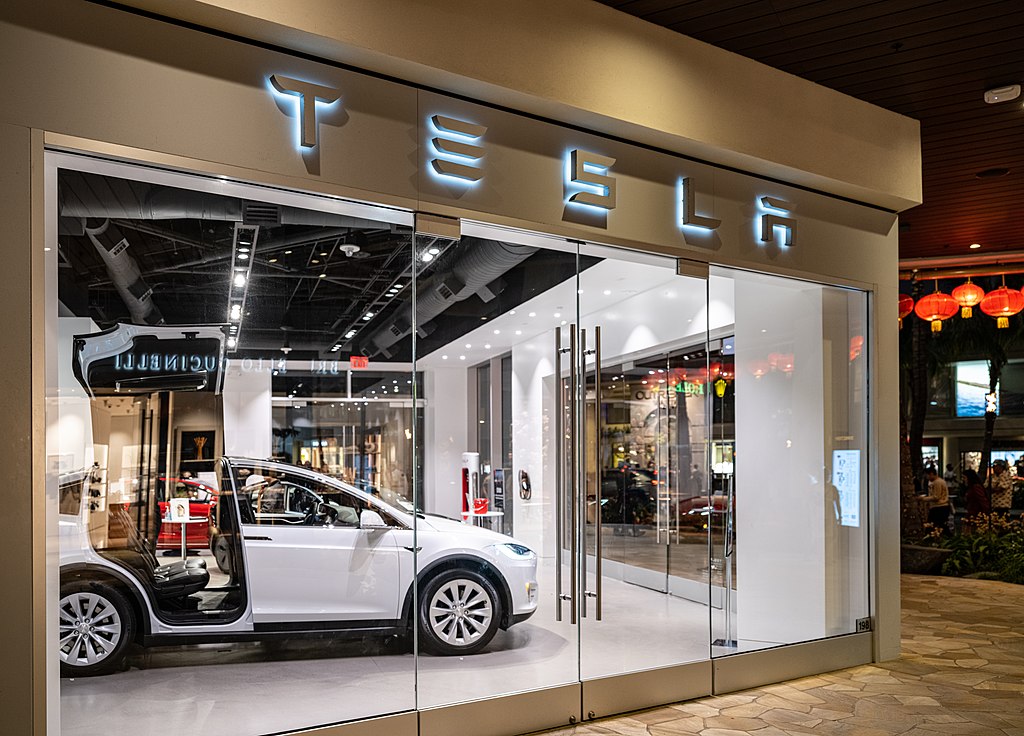
Tesla Inc. (NASDAQ: TSLA) delivered stronger-than-expected fourth-quarter earnings, reinforcing its strategic shift toward artificial intelligence even as its core electric vehicle business continues to face pressure. The EV giant reported adjusted earnings of $0.50 per share on revenue of $24.9 billion, surpassing Wall Street forecasts of $0.45 per share and $24.78 billion in revenue. Following the announcement, Tesla stock rose 2.7% in after-hours trading, signaling investor confidence in the company’s long-term vision.
A major highlight from Tesla’s earnings report was the board’s approval of a $2 billion investment in xAI, Elon Musk’s artificial intelligence startup. This move underscores Tesla’s ambition to evolve beyond a traditional automaker and position itself as a “physical AI company.” Management described 2025 as a pivotal year in this transformation, emphasizing deeper integration between advanced software, AI training, and physical hardware.
Despite the upbeat earnings, Tesla’s automotive revenue declined 11% year-over-year, reflecting softer vehicle deliveries and ongoing pricing pressure. However, the company’s energy storage business provided a bright spot, achieving record deployments of 14.2 gigawatt-hours during the quarter. Tesla credited its vertically integrated model for enabling faster problem-solving and scalable solutions across vehicles, batteries, and energy products.
Progress in autonomous driving also drew attention, as Tesla confirmed the removal of safety monitors from its Robotaxi fleet in Austin. This milestone marks a step toward fully unsupervised autonomy and is expected to allow the company to expand Robotaxi coverage across the Austin metro area.
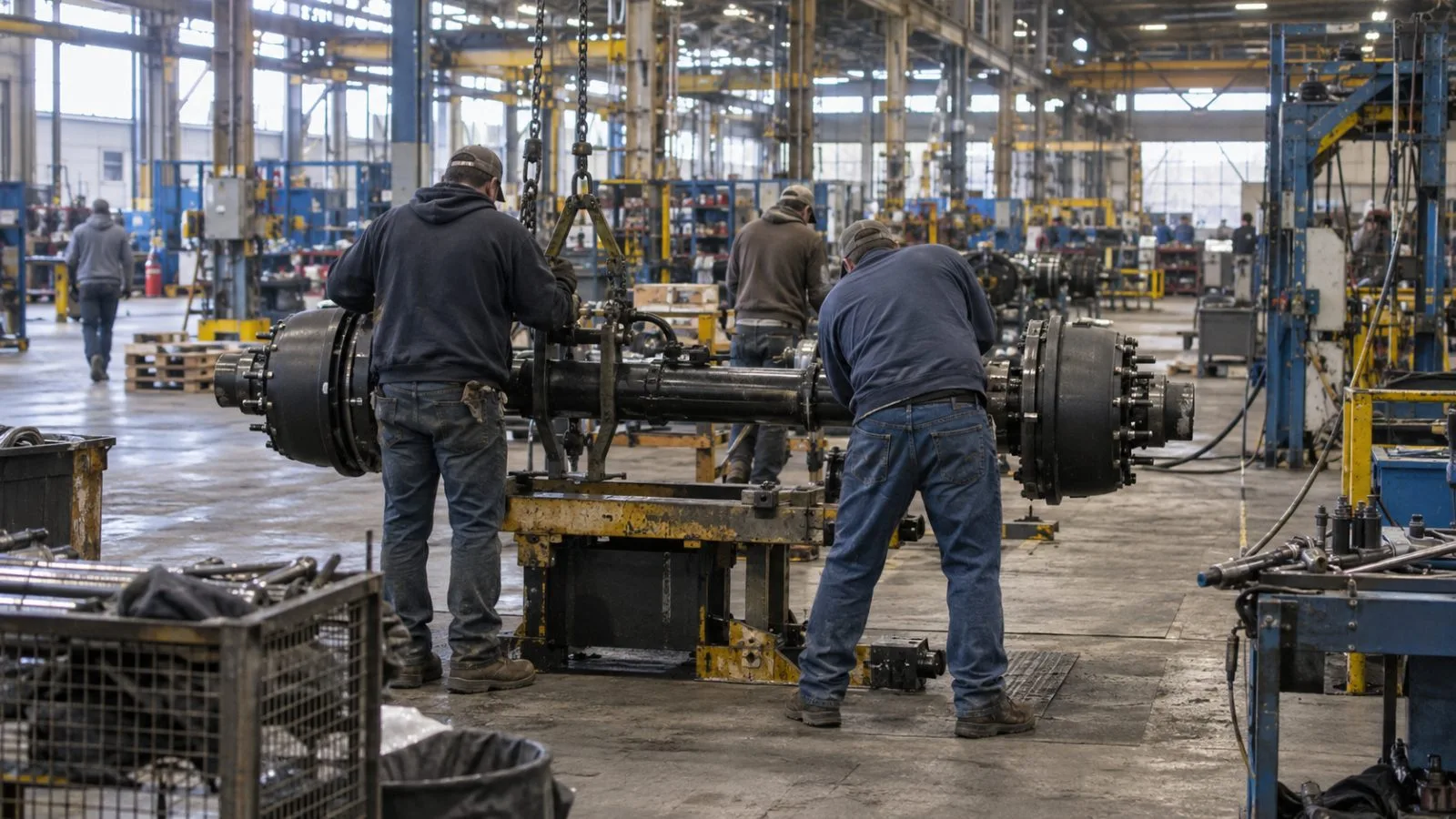
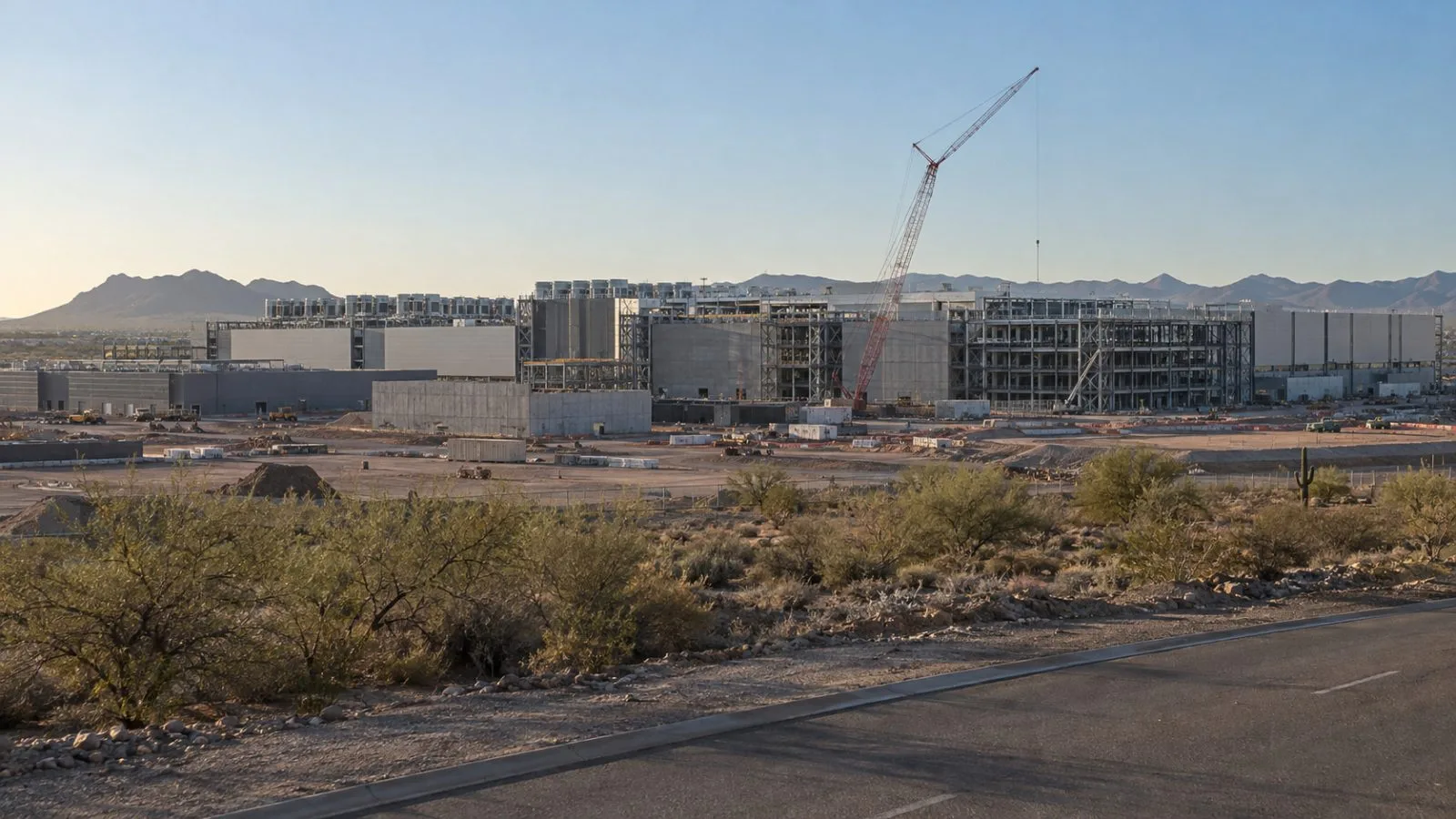
Operational efficiency helped offset delivery challenges, with GAAP gross margins improving to 20.1%. Tesla plans to ramp six new production lines for vehicles, robots, and batteries in 2026, supporting future growth initiatives. Capital expenditures totaled $8.5 billion for the year, driven largely by the expansion of its Cortex AI training clusters in Texas.
The Optimus humanoid robot remains a key long-term growth driver, with a third-generation design slated for unveiling in the first quarter and early production lines already being installed. Tesla ended the year with $44.1 billion in cash, providing ample liquidity to fund its ambitious roadmap, including upcoming launches like the Tesla Semi and Cybercab planned for 2026.