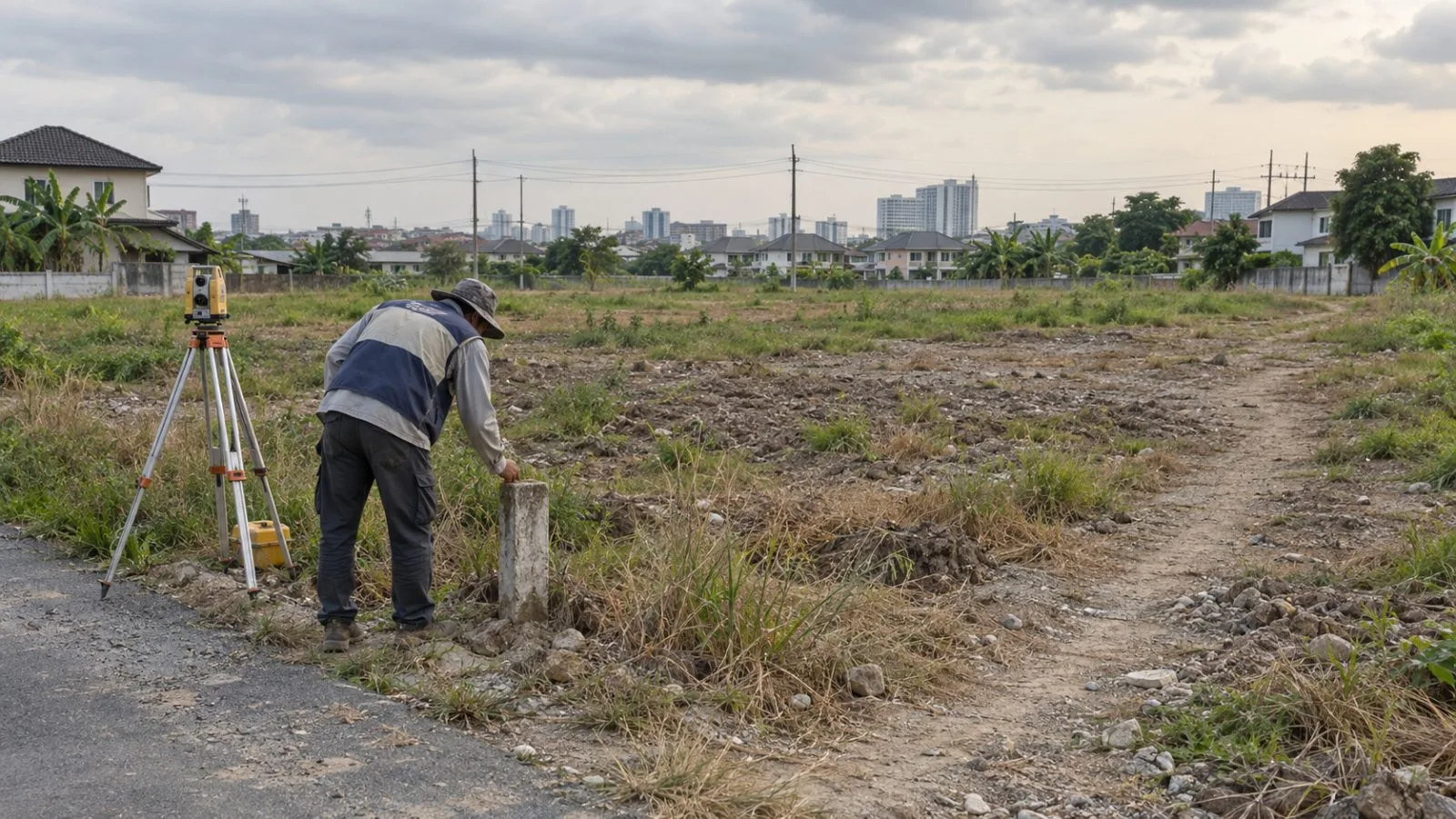
Thailand’s government is examining 2,360 parcels suspected of being held through local nominees for foreign beneficiaries, with forced disposal possible if case reviews find violations of ownership rules.
The government put the land’s value at about 14.01 billion baht. The Straits Times reported an approximate dollar equivalent of $420 million. The Department of Lands said the parcels cover 5,467 rai, or about 875 hectares, and are linked to 1,397 legal entities suspected of holding land for foreigners.
Thai law restricts foreign nationals and companies from owning land, while the Board of Investment may approve ownership for eligible businesses under investment-promotion rules. The inquiry concerns whether Thai entities are listed as owners while foreign beneficiaries exercise control or gain from the properties.
Prime Minister and Interior Minister Anutin Charnvirakul directed land officials and provincial governors to finish reviews of high-risk cases by December 2026. Investigators are to trace financing and identify who directs and benefits from the properties, looking beyond names on deeds and company shareholder records.
If a review establishes an unlawful holding, the government says the land may be ordered sold and authorities may pursue civil or criminal proceedings. Officials also plan to scrutinize transfers and recipients to prevent a property from being moved to another nominee.
The proposed checks would cover both the period before registration and what follows it. Anutin said foreign investment remains welcome when it complies with Thai law and investment-promotion requirements. The deadline for completing reviews of high-risk cases is December 2026.