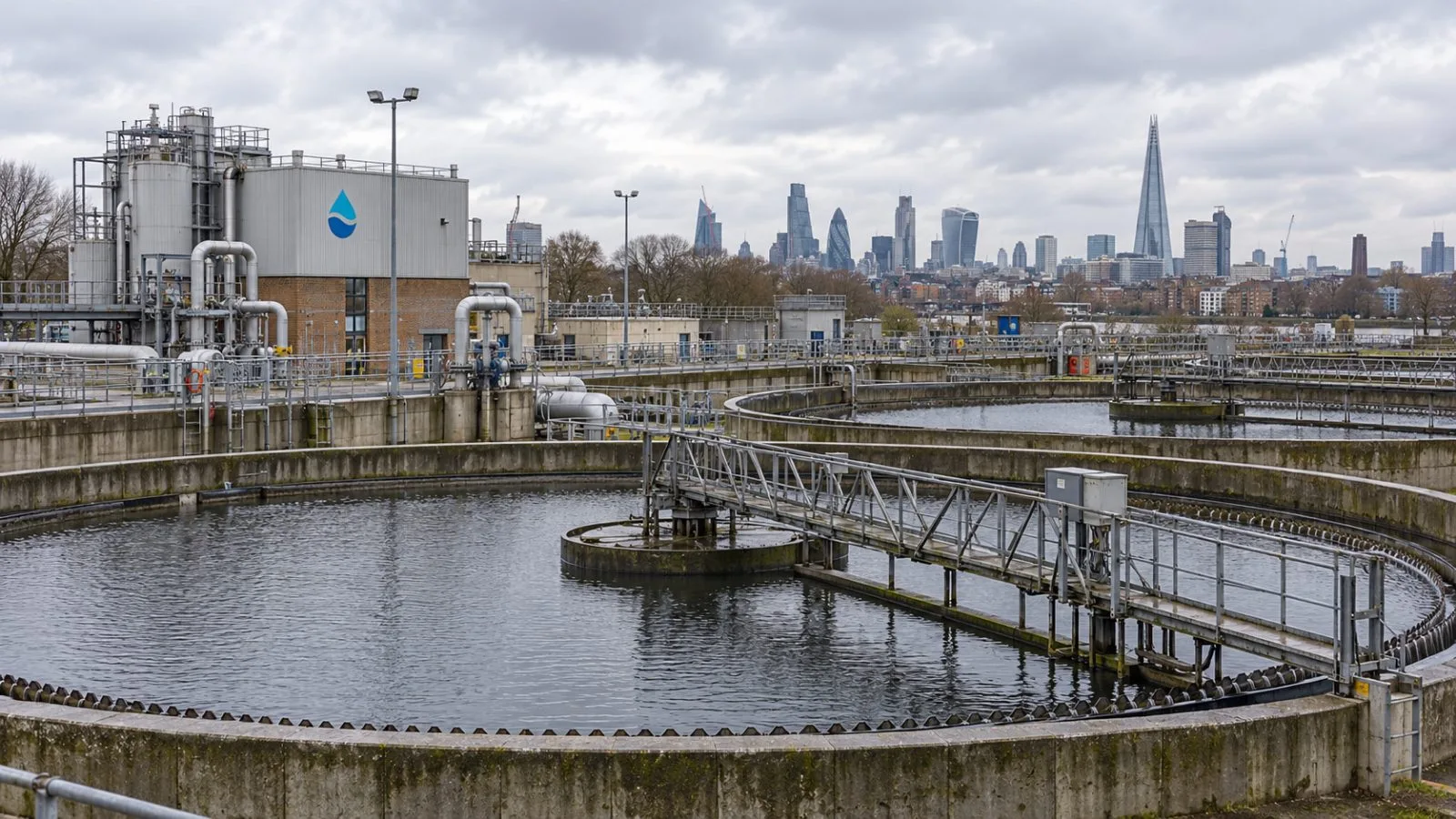
Thames Water's financing bid is sharpening a UK debate over who should carry the cost of keeping its water services running, as creditors prepare to consider facility-related consent changes and lawmakers assess intervention powers.
On Oct. 15, Thames Water said it had drawn £2.65 billion from a £3 billion super-senior facility and proposed lifting its ceiling to £5.4 billion. The company says the added capacity could support liquidity into autumn 2027. It plans to seek commitments in stages, with funding and any drawdowns subject to conditions and creditor consent.
The Oct. 29 vote is on the utility's 16th set of creditor consent requests and related proposals, including changes to accommodate the larger facility. Thames Water said creditors approved its previous 15 sets. The vote could close earlier if the required majority approves the requests.
The House of Commons Environment, Food and Rural Affairs Committee has urged the government to reject a proposal from creditor group London & Valley Water and consider special administration or new legislation. Section 24 of the Water Industry Act 1991 allows the High Court to order special administration on specified grounds, including a serious breach of a principal duty or inability to pay debts.
The committee said Thames Water was solvent, leaving performance grounds as the only current basis for an order. It judged those grounds too vague for a reliable application and reported that ministers lacked confidence a court would grant an order on that basis. The committee concluded that insolvency appeared to be the only credible route under current arrangements.
The committee said special administration could initially require taxpayer funding and lead to losses for creditors. The government could later seek to recoup costs through a sale or a future licence. The regime has not been used in the water sector, according to the committee.
In letters published by The Guardian, Terry Barker, an honorary professor of environmental sciences at the University of East Anglia, argued that changing ownership alone would leave sector rules intact and called for a regulator covering air, water, land and soil. River Action Chief Executive James Wallace backed using special administration, while Philip Clayton proposed an engineer-run social enterprise.
The government said Sept. 29 it plans to remove limits on its shareholdings in major water and sewerage companies in England. Those limits currently range from 1% to below 3%, depending on the company. Ministers said they would continue working with private investors; the proposal does not itself nationalize Thames Water. Separately, the Independent Water Commission, chaired by Sir Jon Cunliffe, recommended one integrated water regulator for England.
Thames Water reported statutory net debt of £18,516 million and net cash outflow before debt funding of £1,130 million for the year ended March 31, 2026. In May 2025, the Water Services Regulation Authority (Ofwat) imposed penalties of £104.5 million over wastewater operations and £18.2 million over dividend payments. Ofwat said the company and its investors would pay, not customers.