As Israelis prepare to elect a new parliament Oct. 27, three Gaza residents have described to The National how the result could affect choices about marriage, a shop and emergency housing.
Mustafa Mousa, 30, told The National he had postponed plans to become engaged and marry until after the vote. “It also requires stability and peace of mind,” he said.
Munir Abu Wadi, whom the outlet identified as a supermarket owner in Jabalia refugee camp, is waiting to rebuild his business until the election outcome is known, The National reported.
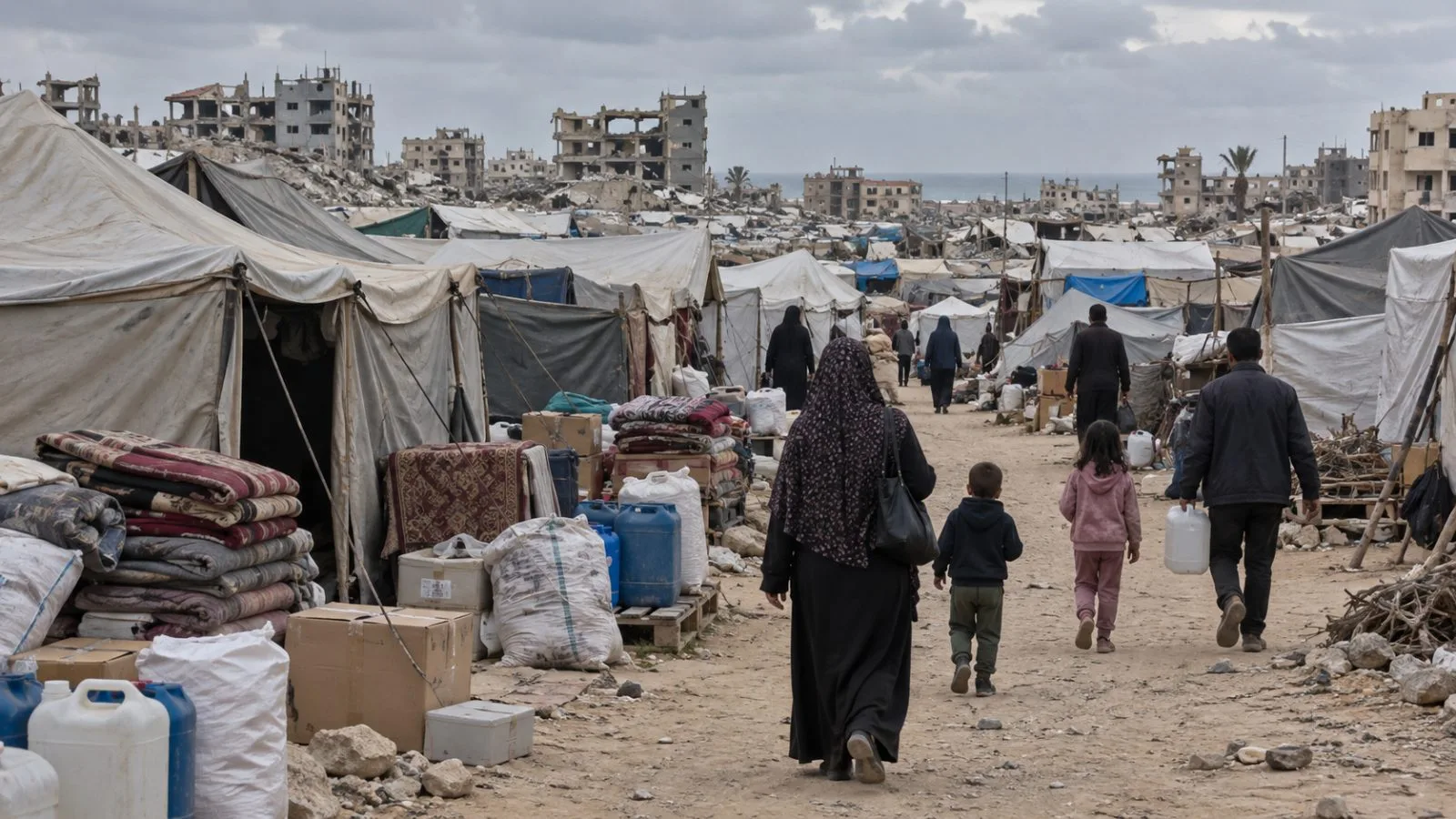
Mahdi Abu Al Qumsan, 52, has gathered supplies for a basic shelter but has not begun building, according to The National. The outlet reported that he and his family of 11 are displaced in Deir Al Balah after their home in Gaza City was demolished.
Israel’s Central Elections Committee lists Oct. 27 as Election Day for the 26th Knesset. Under the Knesset’s electoral system, voters choose party lists for the 120-seat parliament. Parties negotiate to form a government, with at least 61 seats needed for a majority. The Associated Press has said Israel has yet to produce a single-party Knesset majority during its 78 years of statehood.
An Oct. 18 roundup by The Jerusalem Post, drawing on polls from Maariv, Channel 13, Kan and Channel 12, reported Yashar party leader Gadi Eisenkot ahead of Likud in all four surveys. Channel 12 projected 54 seats for opposition parties and 49 for the governing coalition; Kan put Prime Minister Benjamin Netanyahu’s bloc at 53 seats and Eisenkot’s at 50. The figures are polling estimates, not results.
The National also pointed to broader tests for the incoming government: rebuilding Gaza, the question of Hamas disarmament and international criticism of Israeli settlements in the occupied West Bank.