Employers using H-1B visas could face a revised wage test or higher penalties under two pending bills, while a third would recast employment-based immigration as voters choose a new Congress on Nov. 3.
India-born beneficiaries accounted for 71% of approved H-1B petitions in fiscal 2024, which ran from Oct. 1, 2023, to Sept. 30, 2024, according to U.S. Citizenship and Immigration Services (USCIS). Computer-related occupations made up 64% of approvals that year.
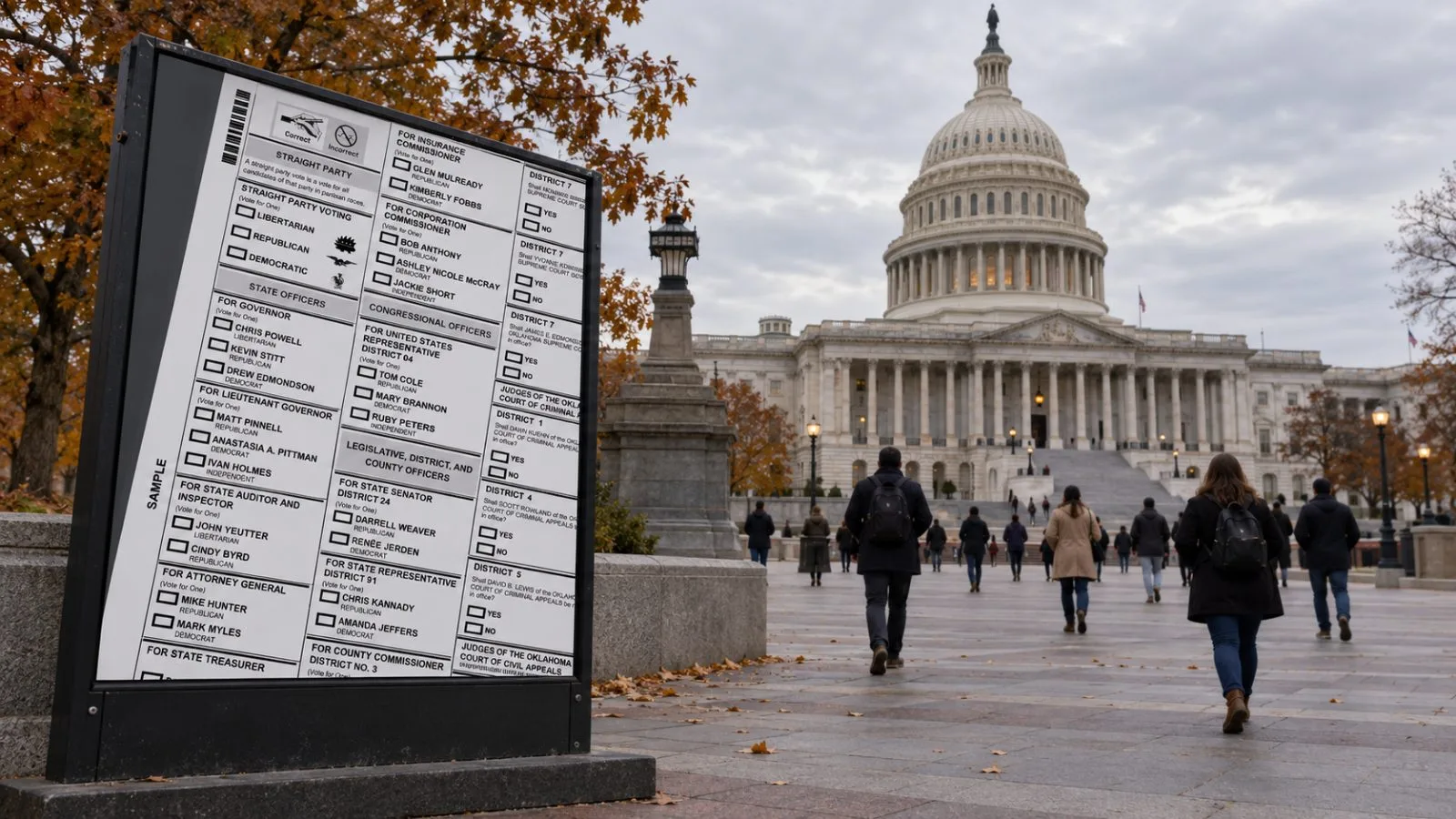
The election will determine party control of Congress, but the result will not itself revise immigration law. The proposals are pending in Congress, where any measure would need approval from both chambers before it could reach the president.
Sen. Jon Husted introduced S. 5638 on Sept. 30. It would replace the $60,000 annual wage test for one H-1B exemption with a threshold set at twice the latest National Average Wage Index calculated by the Social Security Administration (SSA). Current law also provides a separate route to that exemption for workers with a qualifying master’s or higher degree. Husted said the bill is intended to ensure “American workers should always come first.”
The $60,000 figure is part of the test for an exemption under rules for H-1B-dependent employers; it is not a salary floor for all H-1B workers. If enacted, the change could affect recruitment or compliance obligations for H-1B-dependent employers.
Rep. Beth Van Duyne’s H.R. 10643 would raise maximum civil penalties for specified serious H-1B violations from $5,000 to $100,000. For violations involving the displacement of U.S. workers, the maximum would rise from $35,000 to $250,000. The bill would also lengthen minimum bans on H-1B sponsorship for those violations. Van Duyne said “American jobs should go to American workers.”
Rep. David Schweikert introduced the SMARTER Act, H.R. 10400, on Sept. 15. It proposes a points system for employment-based immigrant visas, changes to family-sponsored immigration, elimination of the Diversity Visa program and replacement of the H-1B category with a new “SMARTER” nonimmigrant category.
All three measures have been referred to Judiciary committees. Committee action is the next step; any bill would need to pass the House and Senate in identical form before presidential action.