


 Mahmoud Khalil Sues Columbia Over Alleged Pro-Palestinian Harassment
  Nvidia-Groq AI Chip Deal Faces U.S. Antitrust Probe
  U.S. Issues Cuba Health Alert as Illnesses Rise
  France Targets Shein, Temu With Fast-Fashion Fees
  Trump Touts $5,000 Checks if Republicans Win Congress
  Trump Grants Clemency to Jay-Z Associate Emory Jones
  CK Hutchison Seeks $1.5 Billion From Panama Over Canal Ports
  Ukraine Races to Counter Russia’s Faster Jet-Powered Drones
  Brazil Warns EU of Retaliation Over Animal Products Ban
  US Sailor’s Father Detained by Immigration Authorities
  TikTok, DOJ Reach $400 Million Children’s Privacy Settlement
  FDA Names Permanent Drug and Biologics Center Chiefs
  Bill Gates Warns Governments Are Unprepared for AI Disruption
  29 US states are suing Meta. What might it mean for the rest of the world?
  Philippines Holds Historic Bangsamoro Election Amid Tight Security
  Trump Rejects Calls for Tougher AI Regulation
  Nvidia CEO Jensen Huang Expected at Trump-Xi State Dinner


 Add as a preferred source on Google
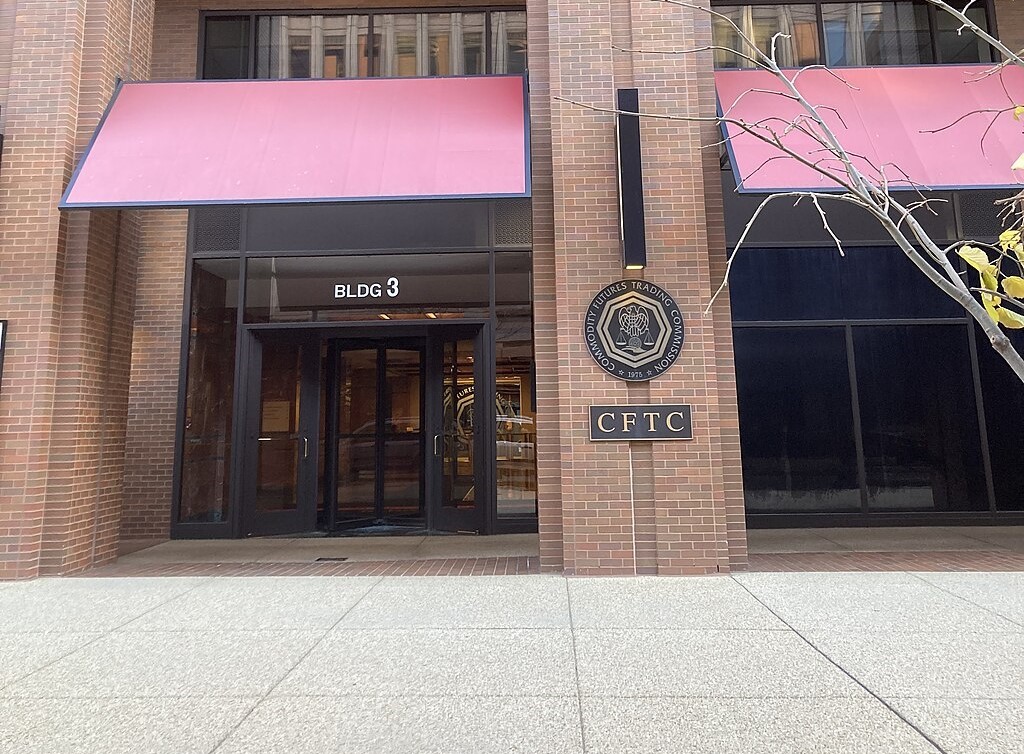
The Trump administration has filed lawsuits against Arizona, Connecticut, and Illinois, seeking to halt what federal officials describe as unlawful state interference in the growing prediction markets industry. The legal action centers on whether state gambling laws can be applied to companies operating federally regulated event contract platforms.
The Commodity Futures Trading Commission filed the suits, arguing that state regulators overstepped their authority by issuing cease-and-desist orders to prediction market operators including Kalshi, Polymarket, Crypto.com, and Robinhood. According to the CFTC, federal law grants it exclusive jurisdiction over national swaps markets, making state-level enforcement actions unconstitutional.
Prediction markets, also known as event contracts, allow users to trade based on the anticipated outcomes of real-world events — ranging from sporting results to political elections. These platforms have grown significantly in popularity, attracting millions of users and substantial investment interest.
CFTC Chairman Michael Selig defended the agency's position, stating the regulator would continue protecting its exclusive authority and shield market participants from what he called overzealous state regulators. The lawsuits name Democratic governors and attorneys general in all three states, including Arizona's Katie Hobbs and Kris Mayes, Connecticut's Ned Lamont and William Tong, and Illinois' JB Pritzker and Kwame Raoul.
State officials pushed back strongly. Connecticut Attorney General William Tong called the federal action a recycled industry argument previously rejected by district courts. Illinois officials accused the administration of ignoring state jurisdiction while prioritizing corporate profits over consumer protections.
Arizona escalated the dispute further by filing criminal charges against Kalshi in March — the first such state criminal case — accusing the company of facilitating illegal gambling and unlicensed election wagering. Kalshi denied the allegations, arguing it operates under federal oversight and should not be subject to a fragmented set of state regulations.







