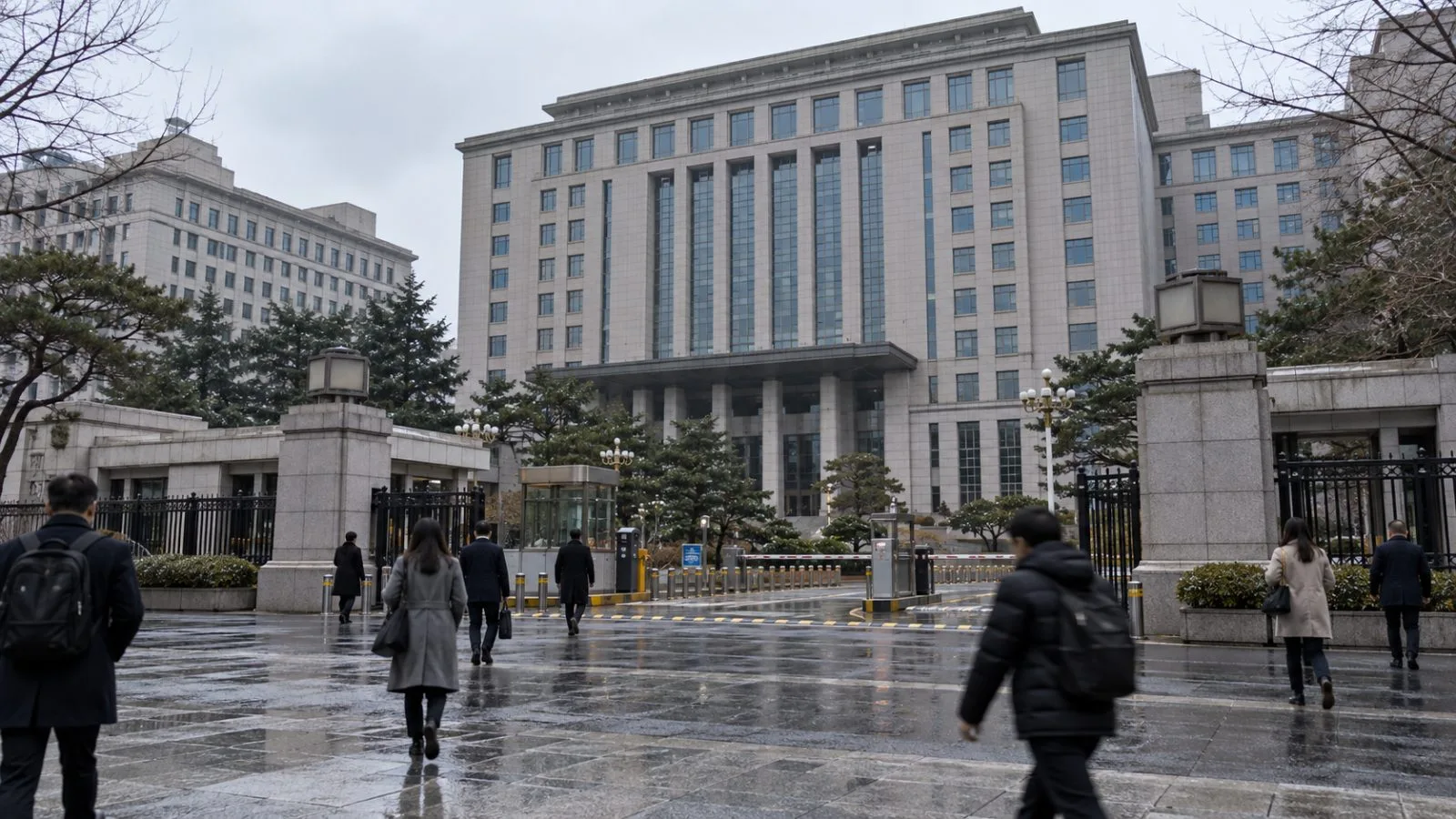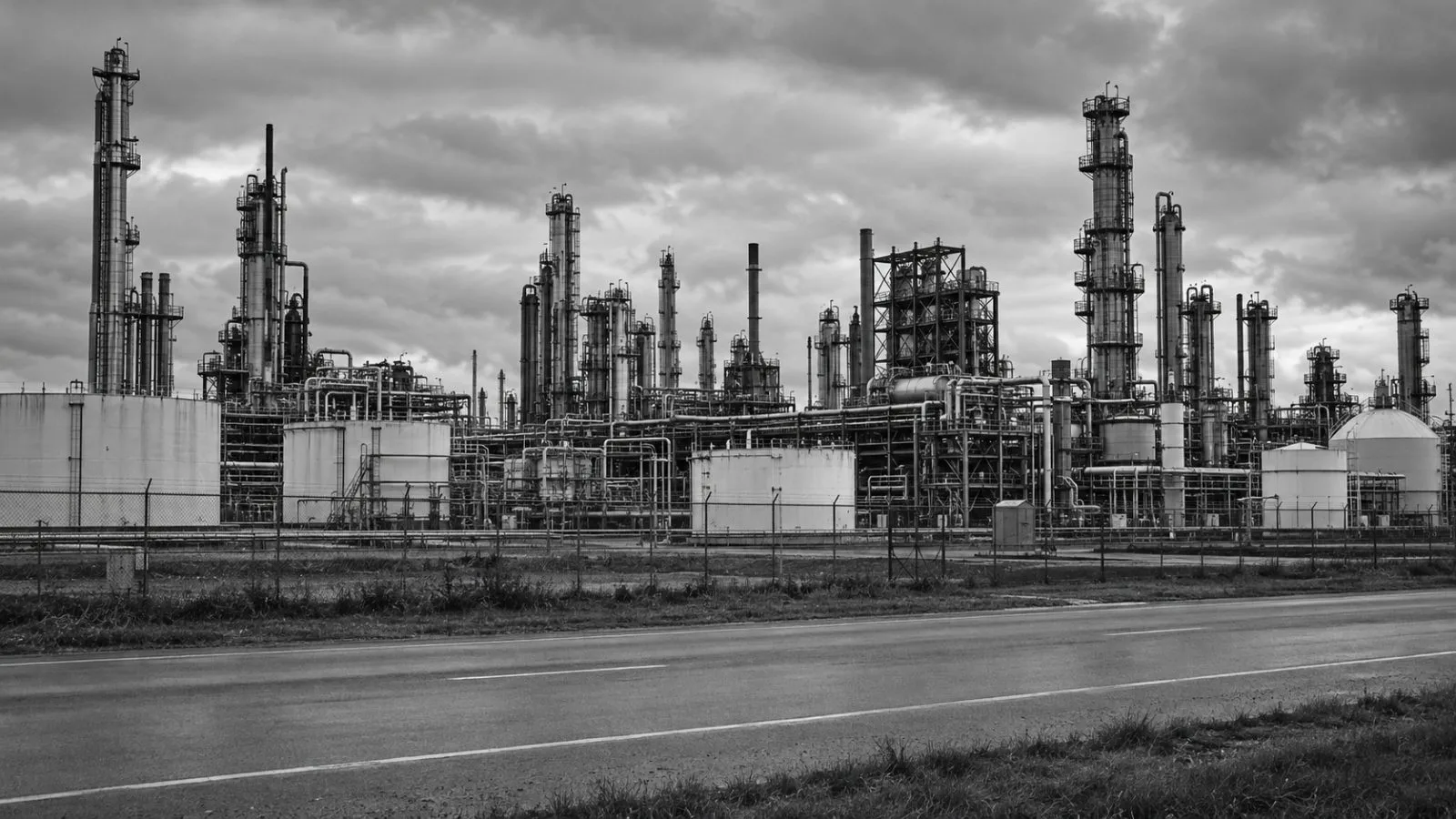
U.S. President Donald Trump invoked the Defense Production Act of 1950 on Oct. 22, authorizing the War secretary to use federal tools to expand petroleum capacity designated as essential to national defense.
The memorandum covers oil exploration, production, refining and related activity, as well as infrastructure used to store and move petroleum. Its scope includes pipelines and marine terminals. Trump made the determination under Section 303(a)(5) and invoked Section 303(a)(7) to waive requirements in other subsections, according to an earlier EconoTimes report on the memorandum. The War secretary may use federal purchases, commitments and financial instruments to expand capacity, but the memorandum names no projects. It says funding constraints, lengthy project development, permit delays, infrastructure bottlenecks and supply-chain restrictions could prevent energy services from arriving on time.
Separately, Reuters reported that crude and diesel prices have risen since the United States and Israel began joint attacks on Iran in late February. The conflict has restricted global energy shipments, while Ukrainian attacks on Russian refineries have added to fuel shortages.
Reuters/Ipsos measured 36% approval for Trump’s handling of the economy in a poll that ended Oct. 19. Reuters reported that higher costs pose a political risk for Trump as Republicans seek to retain control of both chambers of Congress in the Nov. 3 elections.
The United States produced about 13.6 million barrels of crude oil per day in 2025, making it the world’s largest crude oil producer, Reuters reported. Last week, Vice President J.D. Vance said the administration would use the act to expand capacity at a Texas refinery owned by Delek US Holdings. A law Trump signed in 2025 included $1 billion in Defense Production Act funding for energy projects deemed critical to national security, Reuters reported.