Iran has signaled it will suspend its military attacks as long as the United States refrains from launching new strikes, raising cautious hopes for a temporary easing of tensions in the Middle East. A senior Iranian official told Reuters that Tehran's strategy remains based on reciprocity, emphasizing that Iran will stop its operations if U.S. attacks also cease.
The development follows President Donald Trump's decision to pause the U.S. bombing campaign after 13 consecutive nights of airstrikes targeting Iranian-linked positions. No U.S. military attacks were reported over the weekend, and Iran also refrained from retaliatory strikes for two straight days after previously responding nightly to U.S. operations.
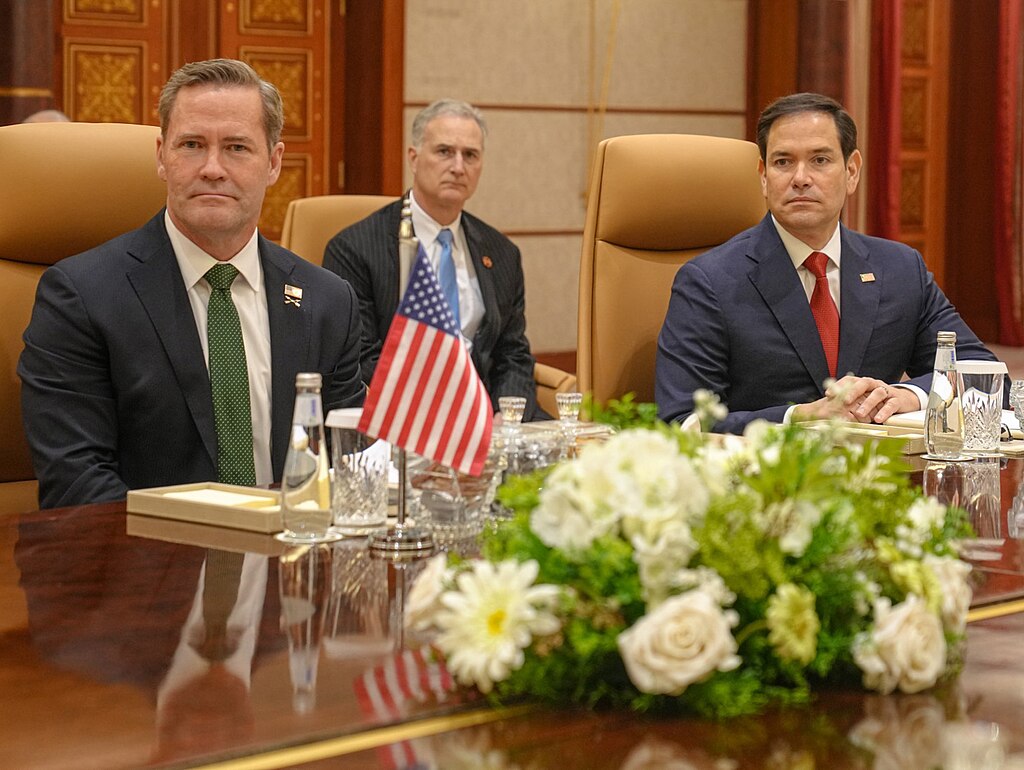
According to U.S. Ambassador to the United Nations Mike Waltz, Trump temporarily halted the military campaign to provide room for diplomatic efforts. Speaking on U.S. television, Waltz said the president wanted to give negotiations an opportunity to progress, although he offered few details about ongoing talks.
U.S. officials, speaking anonymously, said military leaders had advised the White House that the campaign had exhausted many pre-selected targets. They also expressed concerns that prolonged operations could significantly reduce U.S. stockpiles of precision-guided munitions and air defense interceptors deployed across the Middle East.
While officials stressed that military action remains an option if necessary, General Dan Caine, chairman of the Joint Chiefs of Staff, reportedly warned that extending the campaign could strain U.S. military resources. Waltz maintained that the U.S. military remains fully capable but acknowledged the Trump administration inherited depleted inventories when Defense Secretary Pete Hegseth took office.
Despite the pause, Iranian officials remain skeptical that Washington's move represents a genuine policy shift. A senior Iranian source described the halt as a tactical decision rather than a meaningful step toward peace, citing Tehran's longstanding distrust of U.S. intentions.
The conflict has centered on security in the Strait of Hormuz, a critical shipping route that handles roughly one-fifth of global oil supplies. The easing of military activity helped drive oil prices sharply lower, with investors unwinding the geopolitical risk premium that had pushed crude prices higher in recent weeks.
Although diplomatic efforts have gained momentum, uncertainty remains high, and both Washington and Tehran have indicated they are prepared to resume military action if negotiations fail.