


 Iran Threatens US With ‘Economic Warfare’ as Gulf Tensions Rise
  Gold Holds Near $4,400 as Fed Hike Bets Rise
  Trump Threatens Bombardier U.S. Sales Ban
  Oil Prices Climb as Iran Threatens Gulf Energy Infrastructure
  Iran Plans New Gulf Restricted Zone as Hormuz Tensions Push Oil Higher
  OPEC+ Expected to Hold October Oil Output Steady
  US Stock Futures Mixed as Strong Jobs Data Boosts Fed Rate Hike Bets
  Iran Allows Iraqi Oil Tankers Through Strait of Hormuz
  Google Changes EU Spam Policy Amid Antitrust Scrutiny
  Japan Foreign Reserves Plunge $79.6 Billion After Record Yen Intervention
  Trump Targets 1,000 U.S. Space Launches Annually by 2030
  Sara Duterte Posts Bail Over Grave Threats Case
  SEC Probes Banks Over Situational Awareness Hedge Fund Collapse
  Australia Plans New Rules Giving Users Control Over Social Media Feeds
  Japan, U.S. Stay Aligned on Yen as Currency Surges


 Add as a preferred source on Google
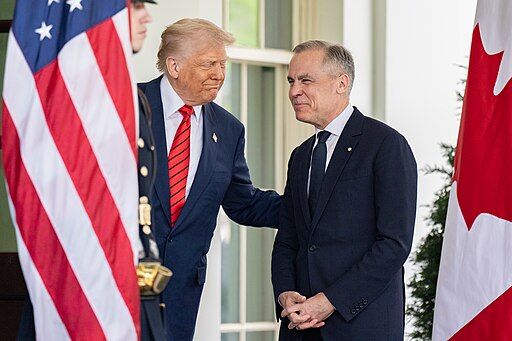
U.S. President Donald Trump on Thursday escalated tensions with Canada by announcing plans to impose a 50% tariff on all Canadian-made aircraft sold in the United States, citing Canada’s refusal to certify several jets produced by Gulfstream Aerospace. The announcement marks the latest development in an intensifying trade dispute between the two neighboring countries, with aviation now at the center of the conflict.
In a post on Truth Social, Trump said his administration would move to “decertify” aircraft manufactured by Bombardier Inc., one of Canada’s largest aerospace companies. According to Trump, this action would remain in place until Gulfstream, which he described as a “Great American Company,” receives full certification from Canadian authorities. He specifically referenced Bombardier’s Global Express jets, signaling that the measures could have significant implications for Canada’s aerospace exports to the U.S.
Trump warned that if the certification issue is not “immediately corrected,” his administration would move forward with sweeping tariffs, effectively raising the cost of Canadian aircraft by 50% in the U.S. market. Such a move could disrupt aircraft sales, leasing agreements, and cross-border supply chains that have long linked the North American aviation industry.
The latest threat comes just days after Trump suggested imposing 100% tariffs on Canadian goods if Ottawa proceeded with a separate trade deal with China, a move that would have severely restricted Canada’s access to the U.S. market. Together, these statements underscore a hardline approach to trade policy that has defined Trump’s administration.
The dispute is part of a broader, year-long standoff between the United States and Canada that began shortly after Trump returned to office. Since then, he has repeatedly proposed aggressive tariffs as leverage in trade negotiations, arguing they are necessary to protect American companies and jobs.
As investors and industry leaders monitor the situation closely, markets remain sensitive to further policy announcements. For ongoing coverage and real-time analysis of Trump’s trade policies, tariffs, and their impact on global markets, investors are closely watching developments unfold.







