The United States has issued emergency security alerts across the Middle East as tensions with Iran continue to escalate, prompting officials to warn Americans to consider leaving the region and prepare for possible flight disruptions and airspace closures.
U.S. embassies in Baghdad, Jerusalem and Amman, along with the U.S. Mission to the United Arab Emirates, advised American citizens that Iran and its affiliated groups could target U.S. interests, businesses and individuals worldwide. The U.S. Embassy in Jordan also urged Americans to avoid military bases, warning that recent Iranian attacks have affected civilian infrastructure, including airports, hotels and other public locations.
The warnings came as reports emerged that Gen. Alexus Grynkewich, commander of U.S. European Command, told Pentagon officials that current naval resources are insufficient to fully defend both Israel and the U.S. homeland. According to reports, he requested another Navy destroyer, citing maintenance delays and declining missile defense interceptor inventories.
Regional tensions intensified after Kuwait said its air defenses intercepted Iranian drones targeting a government facility and civilian vehicles. Kuwait condemned the incident as a violation of its sovereignty, while Bahrain also criticized Iran over attacks on civilian infrastructure.
Iranian military officials responded with fresh warnings, saying any Gulf nation supporting U.S. military operations could face retaliation. Tehran also claimed it has prepared a broad response plan targeting Israeli and U.S. energy infrastructure if Washington launches attacks. Meanwhile, CBS reported that the Trump administration is considering strikes on Iranian oil refineries and power plants.
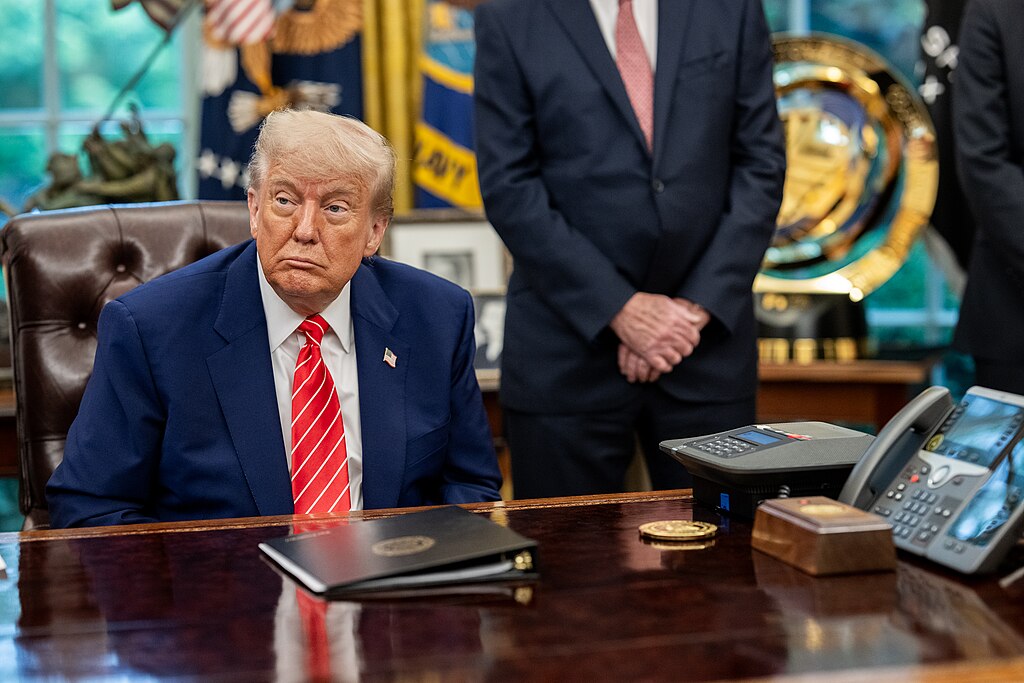
Israeli media reported that President Donald Trump is closer than ever to authorizing significant military action against Iran after negotiations stalled. White House Press Secretary Karoline Leavitt said Iran would continue facing consequences until it agrees to U.S. terms, while Trump claimed on Truth Social that his policies were weakening Iran's currency and boosting U.S. oil exports.
Elsewhere, Israel said it killed several Hezbollah fighters in southern Lebanon, while an LNG tanker carrying Qatari gas was struck in the Strait of Hormuz without causing environmental damage. Yemen's Houthi authorities denied reports of planned transit tolls in the Bab al-Mandab Strait, and Türkiye and Iraq signed a one-year agreement to keep the Kirkuk-Ceyhan oil pipeline operating while expanding its capacity.