


 South Korea’s Cho Hyun to Meet Rubio in Washington
  Paris Talks Focus on Lebanon Army Needs as UNIFIL Exit Looms
  US Allies Fear Trump Could Soften Taiwan Stance in Xi Talks
  US-China Experts Push AI Nuclear Safeguards to Prevent Military Escalation
  Australia Tightens Student Visa Rules, Targets Migration Cut by 2028
  U.S. Imposes New Visa Restrictions Over South Africa Policies
  What is Zionism? The different meanings of a contested term
  Google Changes EU Spam Policy Amid Antitrust Scrutiny
  Ovechkin Faces Scrutiny Over United Russia Campaign Video
  U.S. Probes Apex Logistics Over Nvidia AI Chip Shipments to China
  Texas Republicans Turn Against AI Data Centers as Election Backlash Grows
  Yemen Fighting Threatens Red Sea Oil Routes
  France Urges Faster AI Push Despite Safety Risks
  Banking scandal rocks Brazil’s politics and the country’s presidential election in October
  US Confirms Weapons in Orbit as Space Tensions Rise
  Ukraine Races to Counter Russia’s Faster Jet-Powered Drones
  North Korea Vows to Expand Nuclear Arsenal Amid U.S.-Led Military Buildup


 Add as a preferred source on Google
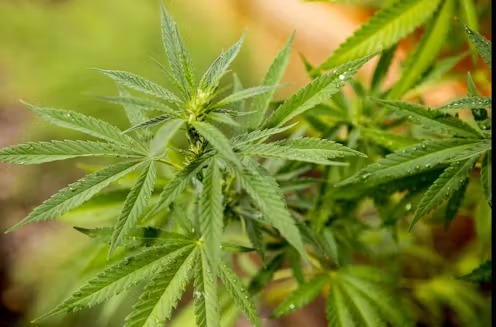
U.S. President Donald Trump said he is considering an executive order to reclassify marijuana as a less dangerous drug, a move that could significantly reshape federal cannabis policy and the broader marijuana industry. If enacted, the decision would represent one of the most substantial changes to U.S. drug regulation in decades, potentially easing criminal penalties, expanding scientific research, and improving access to funding for cannabis companies.
Speaking to reporters in the Oval Office, Trump said his administration is seriously evaluating whether marijuana should be treated as a Schedule III substance under the U.S. Controlled Substances Act. “We are looking at that very strongly,” he said, noting that public support for reclassification continues to grow. Trump emphasized that current restrictions limit medical and scientific research, adding that reclassification would unlock opportunities that are currently blocked under federal law.
At present, marijuana is classified as a Schedule I drug, alongside substances such as heroin and ecstasy, indicating a high potential for abuse and no accepted medical use. This federal status contrasts sharply with state-level laws, as many U.S. states allow marijuana for medical or recreational purposes. Moving cannabis to Schedule III would place it in the same category as drugs like ketamine, testosterone, and certain codeine-based medications, reflecting a lower risk profile and recognized medical value.
The potential shift could have far-reaching implications for the cannabis industry. Federal restrictions have long prevented most banks and institutional investors from working with marijuana businesses, forcing companies to rely on expensive loans and alternative financing. Reclassification could reduce tax burdens, improve access to capital, and encourage greater participation from mainstream financial institutions.
News of Trump’s comments initially lifted cannabis-related stocks, although shares later pulled back. U.S.-listed cannabis companies such as Canopy Growth, Aurora Cannabis, Tilray Brands, Trulieve Cannabis, Organigram Global, and SNDL ended the day down between 4% and 13%. Despite the decline, many stocks remain above levels seen before reports of the possible reclassification first emerged.
Industry leaders have welcomed the discussion with cautious optimism, calling reclassification a meaningful step forward that must be paired with sensible regulation. A White House official, however, said that no final decision has been made. Any change would still require review by the Drug Enforcement Administration, which holds the authority to finalize marijuana’s classification. If approved, the move could mark a turning point for the U.S. cannabis market and its role in healthcare, finance, and scientific research.







