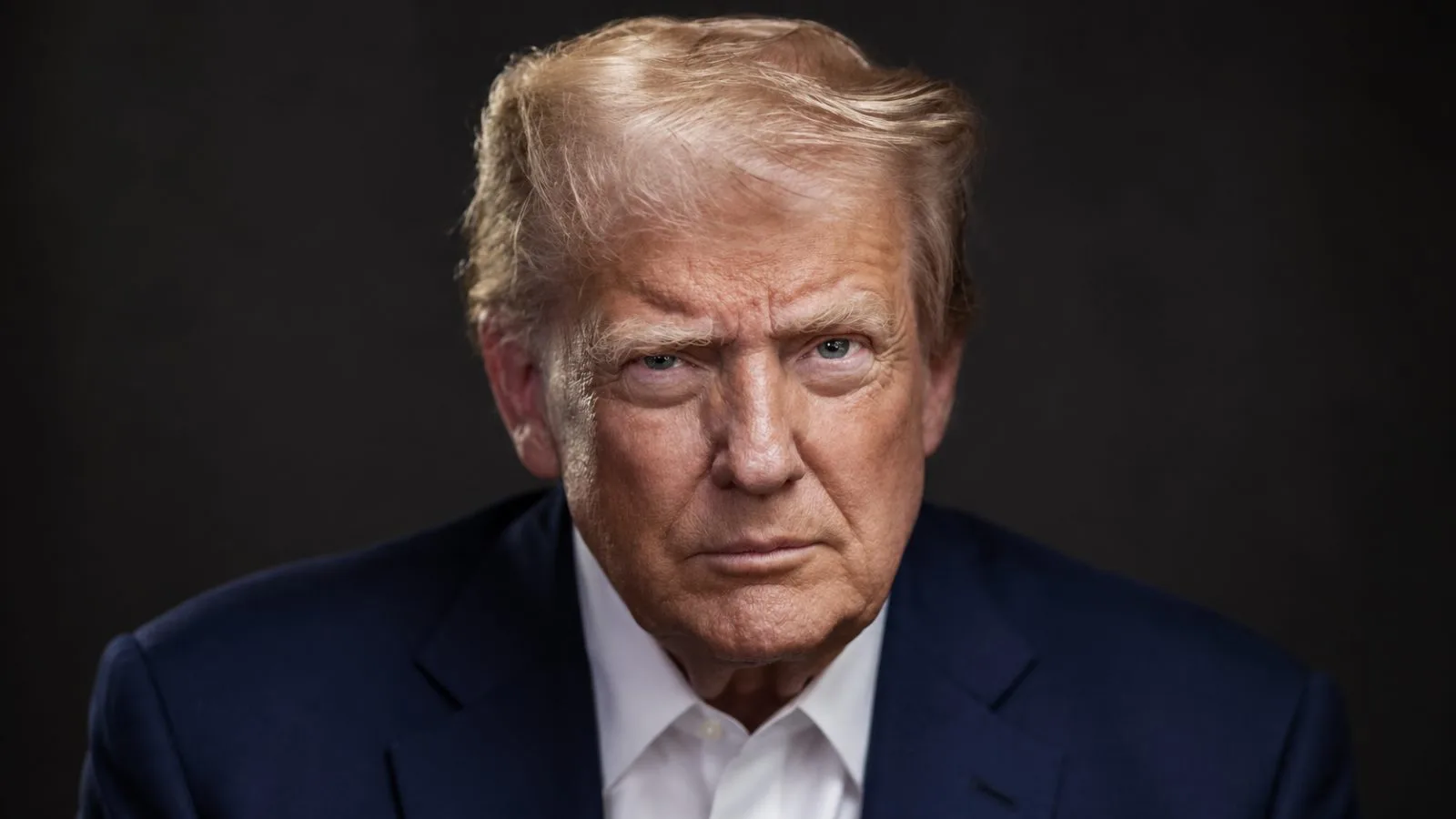
President Donald Trump’s Nov. 17–19 Asia trip produced a first three-way meeting with China and Russia and broad diplomatic pledges, but no detailed arms-control agreement or announced breakthrough on the wars in Ukraine and Iran.
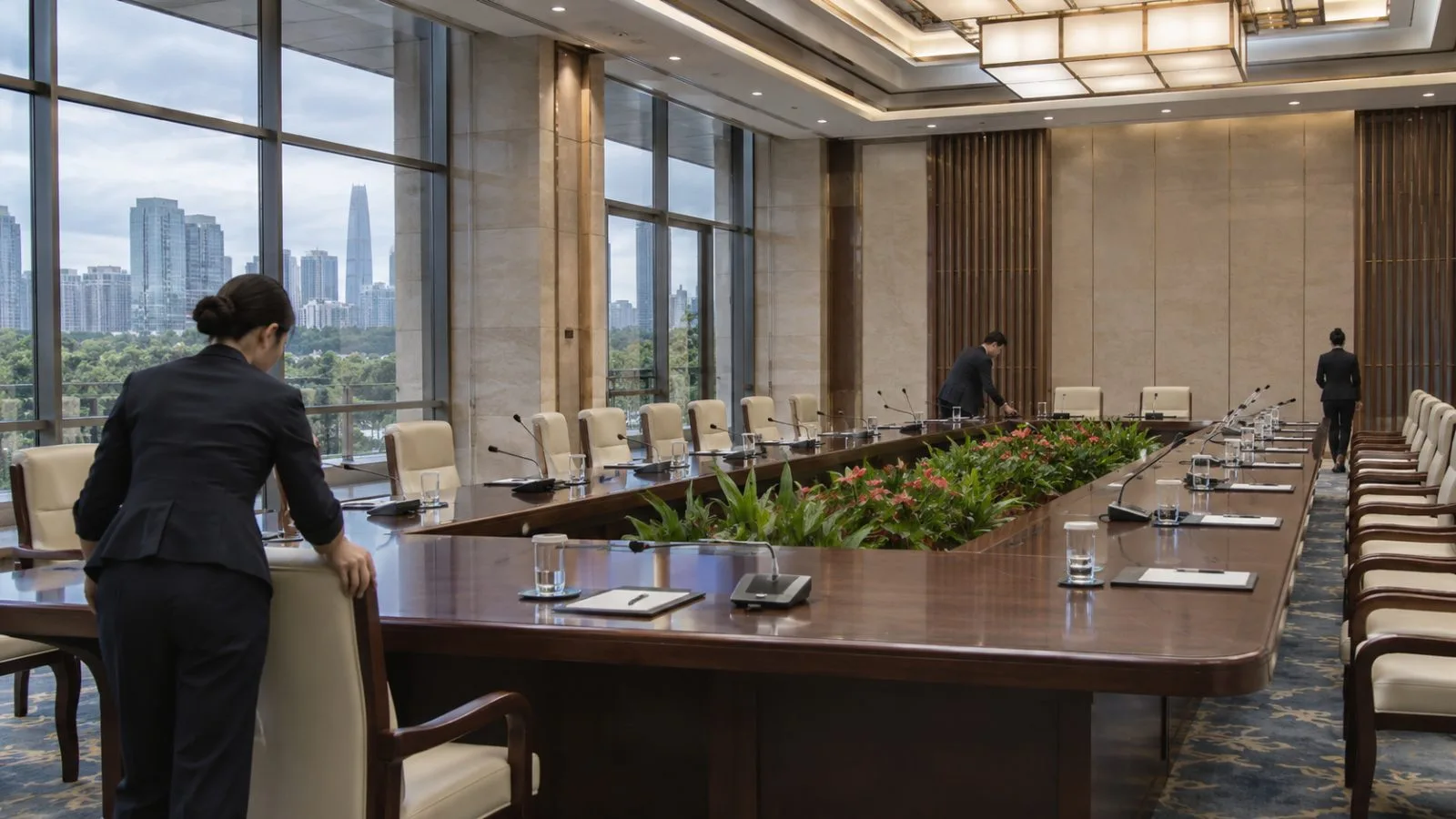
Trump met Chinese President Xi Jinping and Russian President Vladimir Putin in Shenzhen on Nov. 19 during the Asia-Pacific Economic Cooperation Economic Leaders’ Meeting. The Associated Press described the encounter as the first sit-down involving the leaders of the three countries.
The leaders issued broad language on reducing nuclear risks, expanding oil supplies, reforming the United Nations and protecting state officials from what the declaration called International Criminal Court “jurisdiction abuse.” The statement did not specify U.N. changes and did not mention Russia’s war in Ukraine or the U.S.-led war in Iran.
In a Fox News interview reproduced by the White House, Trump said Xi’s airport welcome and the ceremonial reception were “a big win” for both countries. Before meeting Putin, Trump said, “A lot of wonderful things can come out of this, or at least start.” Xi, according to AP, said continued dialogue kept open the possibility of peace.
The White House said in a September fact sheet that Trump had advocated trilateral arms-control negotiations with Russia and China. The document also said a U.S.-China “Super Intelligence” dialogue was due to meet by November 2026; the document gave no update on whether that meeting occurred.
Trump also joined a Quad meeting in Manila with the leaders of Japan, Australia and India. AP reported that the visit gave Putin diplomatic visibility and allowed Beijing to portray itself as a broker among major powers.
The overseas diplomacy unfolded alongside domestic strains. AP reported a heavy midterm defeat for Trump’s Republican Party, while technology outages and attacks linked to Iran added political pressure. Hindustan Times separately reported that the administration was in its seventh day of public responses to outages that reportedly grounded flights, disrupted government email and delayed banking transactions.
Air-traffic infrastructure scrutiny also continued, including the proposal described in an earlier report on a $50 billion modernization plan. Hindustan Times characterized the foreign travel as an effort to build a legacy amid gridlock at home, quoting White House communications director Steven Cheung as saying, “There is nobody who can command a room like President Trump.”
The White House said Trump planned to hold a news conference at noon ET on Nov. 20 after returning to Washington. No implementation timetable or verification mechanism for an arms-control agreement was announced.