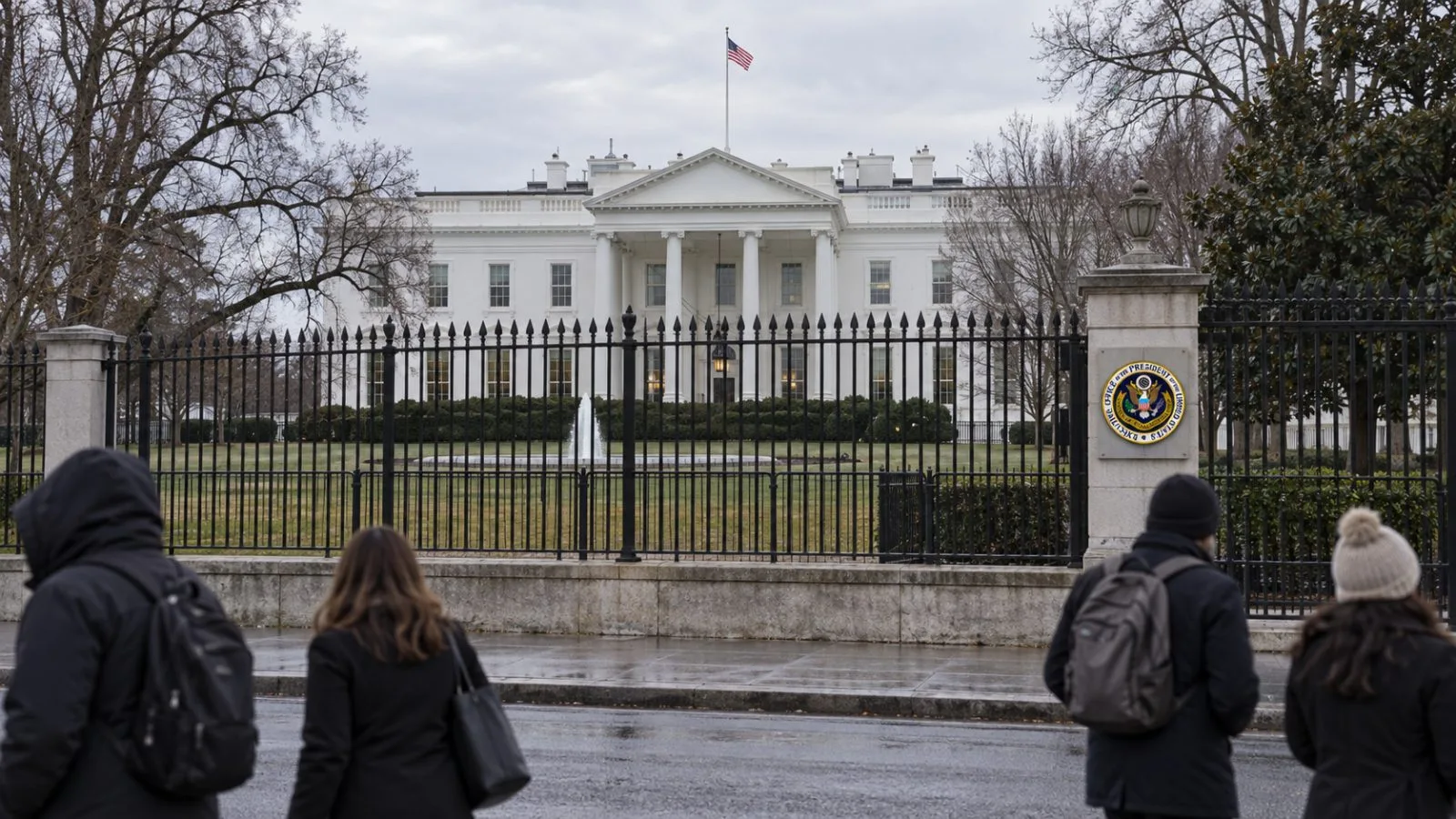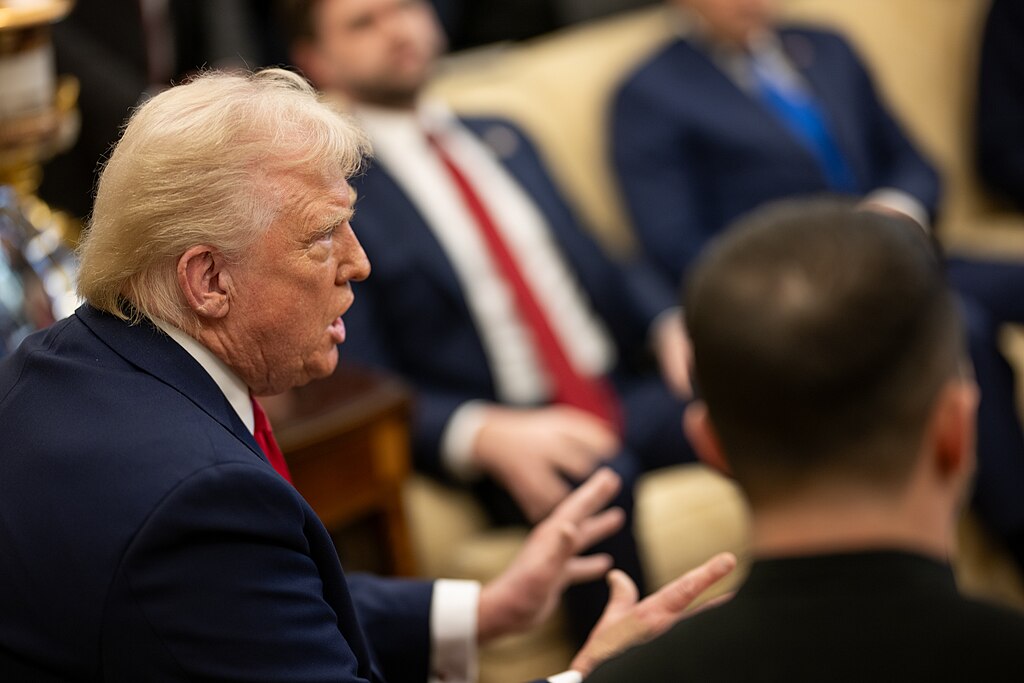
President Donald Trump addressed the nation Wednesday evening, declaring that U.S. military operations against Iran were nearing their core objectives — but warned that intensive strikes would continue for another two to three weeks. The speech, broadcast nationally, sent ripples through global financial markets, with stocks declining, oil prices climbing, and the U.S. dollar strengthening in response.
Investors and analysts had widely anticipated a clearer roadmap toward de-escalation. Instead, Trump's remarks raised fresh concerns about prolonged conflict, particularly his threats to target Iranian power infrastructure if no agreement is reached. Analysts described the tone as escalatory rather than reassuring, with many noting that the critical question surrounding the Strait of Hormuz — a vital global oil shipping corridor — went unanswered.
Market strategists from firms including TD Securities, VanEck, and Pictet Asset Management expressed concern that the strait could remain closed for at least another month, a scenario that threatens to sustain elevated oil prices and fuel broader inflationary pressures. With supply chains already under strain, economists are increasingly warning of stagflation — a damaging combination of slowing economic growth and rising inflation.
Trump also made an offhand remark that equity markets hadn't fallen as sharply as he anticipated, a comment analysts say may have triggered renewed selling pressure. Traders interpreted the speech through a "buy the rumor, sell the fact" lens, reflecting disappointment that no concrete timeline for ending hostilities was presented.
Across financial hubs in Tokyo, Singapore, Sydney, and Hong Kong, sentiment turned cautious as markets headed into a long weekend with unresolved uncertainty. While analysts acknowledged that an immediate escalation remains unlikely, the absence of clarity around a ceasefire or the reopening of the Strait of Hormuz continues to keep investors on edge and global energy markets volatile.