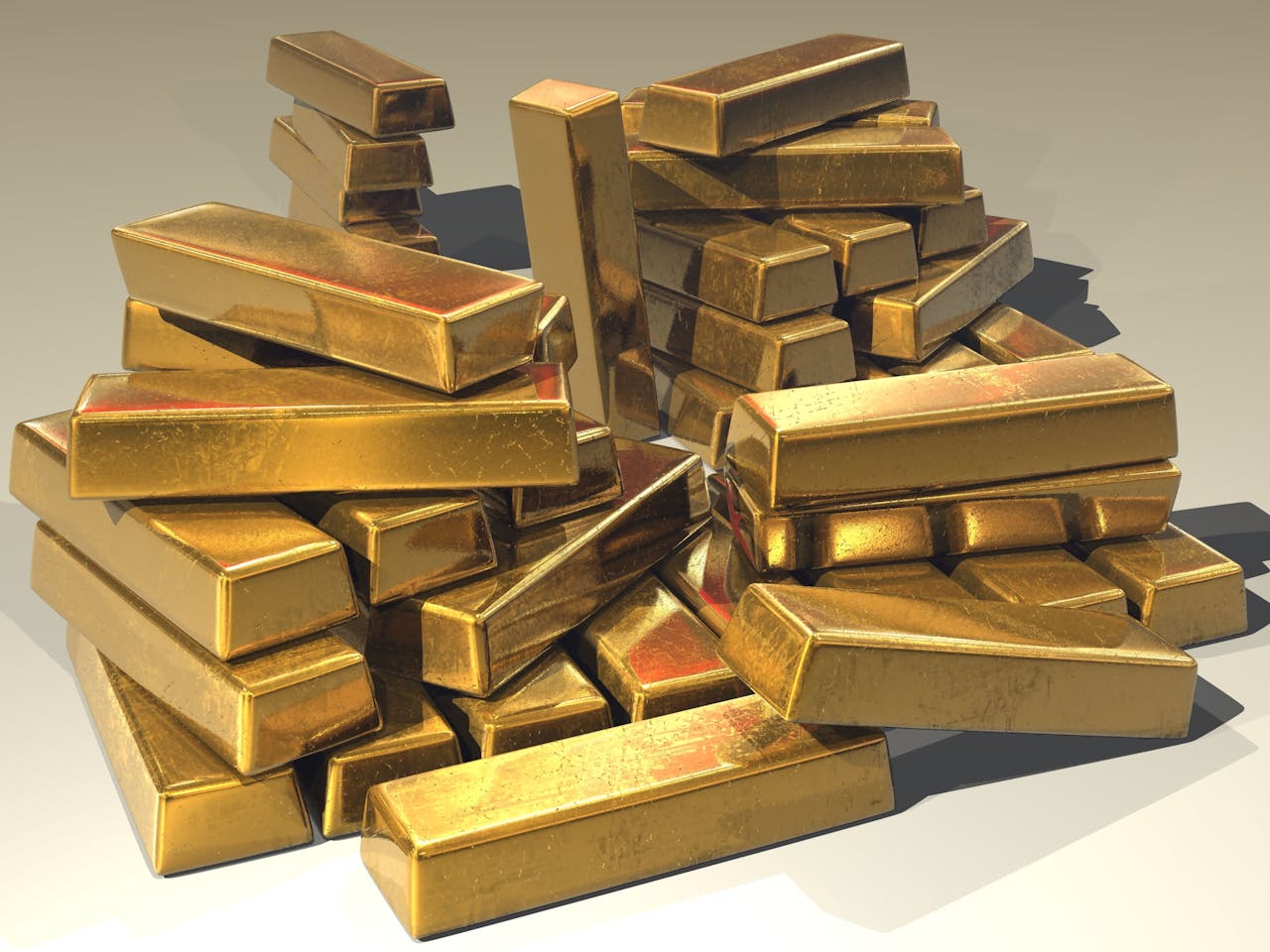
Gold prices extended their decline on Monday as escalating tensions between the United States and Iran pushed oil prices higher, raising fears of renewed inflation and reducing demand for the safe-haven metal. Investors also turned cautious ahead of key U.S. inflation data and Federal Reserve Chair Kevin Warsh’s congressional testimony, both of which could shape the outlook for interest rates.
Spot gold (XAU/USD) dropped 1.19% to $4,072.06 an ounce, while Gold Futures slipped 0.81% to $4,080.22. The losses followed a 1.3% decline last week as traders reassessed expectations for U.S. monetary policy.
Market sentiment weakened after the U.S. launched another round of strikes on Iranian targets in response to an attack on a Cyprus-flagged cargo ship in the Strait of Hormuz. Iran maintained that the strategic waterway would remain closed, although U.S. officials disputed the claim, keeping uncertainty high over global energy supplies and regional stability.
Oil prices climbed about 3% following the renewed conflict, reflecting concerns that disruptions in the Strait of Hormuz could threaten nearly one-fifth of the world’s crude oil shipments. Higher energy prices have revived inflation worries, leading investors to believe the Federal Reserve could keep interest rates elevated for longer. Rising yields and a stronger U.S. dollar typically weigh on non-yielding assets such as gold.
Recent minutes from the Federal Reserve’s June policy meeting showed that several policymakers saw a case for additional rate hikes, while inflation remained a greater concern than labor market weakness. Attention is now focused on the Fed’s next policy meeting on July 28-29.
Investors are also closely watching Tuesday’s U.S. Consumer Price Index (CPI) report and Fed Chair Kevin Warsh’s first appearance before Congress. The results could significantly influence expectations for future interest rate decisions.
According to IG market analyst Tony Sycamore, gold remains highly sensitive to both geopolitical developments and inflation data. He noted that bullion found support near the key $4,000 level last week, while a move above the $4,200-$4,220 range could improve the outlook for a stronger recovery. However, stronger-than-expected inflation could boost the U.S. dollar and reinforce expectations for another Fed rate hike, adding further pressure on gold prices.