Ukraine Faces $56 Billion Budget Gap as War Costs Soar
 Trump Gaza Peace Plan Stalls as Israel Retains Control
 Fairshake Backs 32 Pro-Crypto House Candidates
 California Woman Arrested Over Alleged Spying on Taiwan President’s Son
 Takaichi Pledges to Control Japan Bond Issuance
 OpenAI, Anthropic Back Mandatory AI Breach Reporting in Australia
 ISIS Attack Near Kirkuk Kills Iraqi Policeman After US Withdrawal
 Flavio Bolsonaro Surges as Family Scores Brazil Election Comeback
 India-US Trade Deal Talks Hit Plateau, Sitharaman Says
 Trump Offers US Help to Russia After Plague Lab Worker Dies
 OPEC+ Keeps November Oil Output Targets Steady
 Flavio Bolsonaro, Lula Head to Brazil Election Runoff
 US Army Tests Counter-Drone Technology Along Mexico Border
 Russian Bombs Kill Six, Injure Nearly 60 in Kharkiv
 France Student Protests Intensify Nationwide
 Yemen Launches Major Offensive to Retake Houthi-Held Areas
 New York Declares Measles Disaster Emergency as Cases Surge


 Add as a preferred source on Google
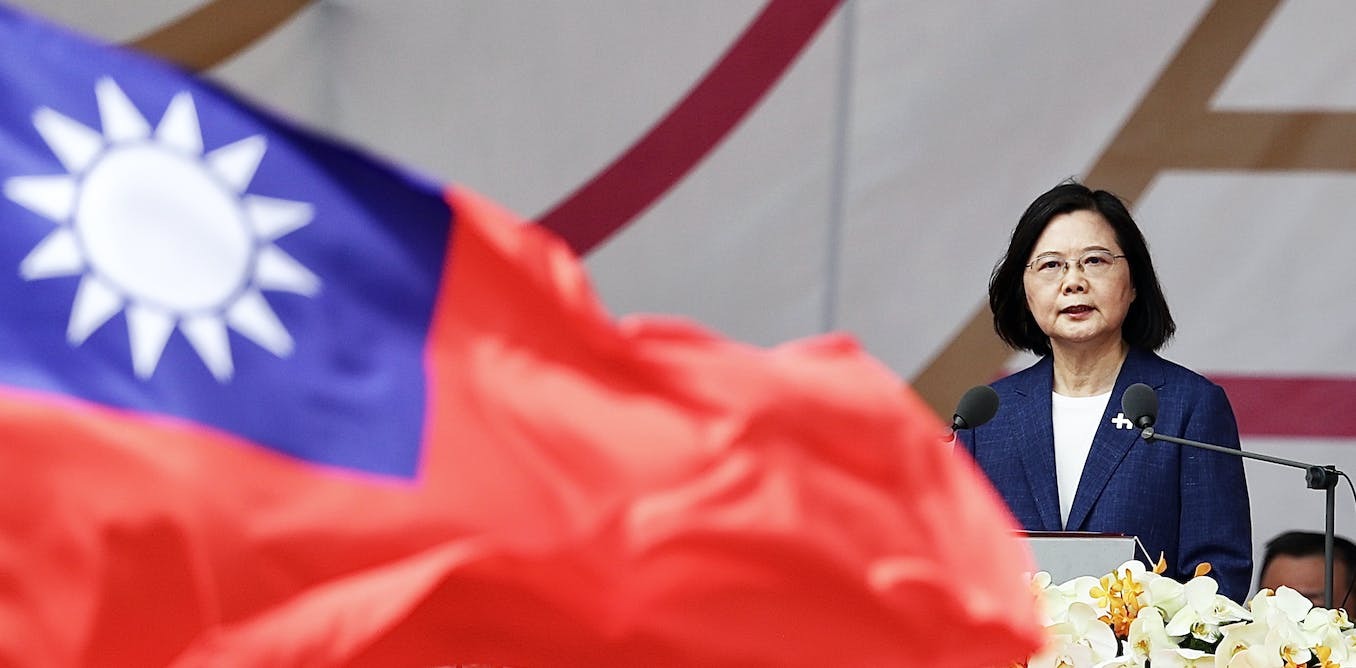
Former Taiwan President Tsai Ing-wen will travel to the United States next week to speak at a Stanford University technology and national security conference, marking her first U.S. visit since leaving office in 2024.
Tsai is scheduled to attend the Stanford DEFCON 2026 Technology & National Security Conference on October 7, where she will deliver the opening remarks. Stanford’s Gordian Knot Center for National Security Innovation lists the event as its fourth annual DEFCON conference.
In a Facebook post, Tsai said she plans to share Taiwan’s experience with representatives from academia, government and the technology industry. Her remarks will address the challenges of balancing technological development with democratic resilience and national security.
The visit could draw attention from Beijing amid continued tensions across the Taiwan Strait. China claims democratically governed Taiwan as part of its territory and regularly objects to international engagement involving senior Taiwanese political figures. Taiwan’s government rejects Beijing’s sovereignty claims and maintains that it has the right to develop relationships with countries around the world.
Tsai, who served as Taiwan president from 2016 until 2024, has traveled internationally since leaving office, including visits to Britain, France and Canada. Beijing refused official dialogue with Tsai during her presidency, describing her and the Democratic Progressive Party as separatists. China has also declined formal talks with her successor, President Lai Ching-te.
Lai has not visited the United States since President Donald Trump began his second administration. Washington and Taipei do not maintain formal diplomatic relations, although the United States remains Taiwan’s most important international supporter and a major supplier of weapons to the island.
Tsai’s Stanford appearance comes as technology, semiconductor supply chains, democratic resilience and security have become increasingly prominent issues in discussions surrounding Taiwan. Stanford said Taiwan’s experience intersects with major questions involving critical technology, economic security and strategic competition.
The trip adds to Tsai’s international engagements after leaving Taiwan’s presidency and puts Taiwan’s technology and national security policies in focus at a major U.S. academic forum.