British Retail Consortium (BRC) figures showed annual U.K. shop-price inflation reached 2.1% in October, while The Guardian reported retailers had begun passing higher costs to shoppers before Chancellor John Healey's first budget.
The BRC said the annual rate was up from 1.4% in September. Food inflation rose to 2.9% from 2.5%, while nonfood inflation climbed to 1.7% from 0.8%. The Guardian described October's reading as the highest in two and a half years.
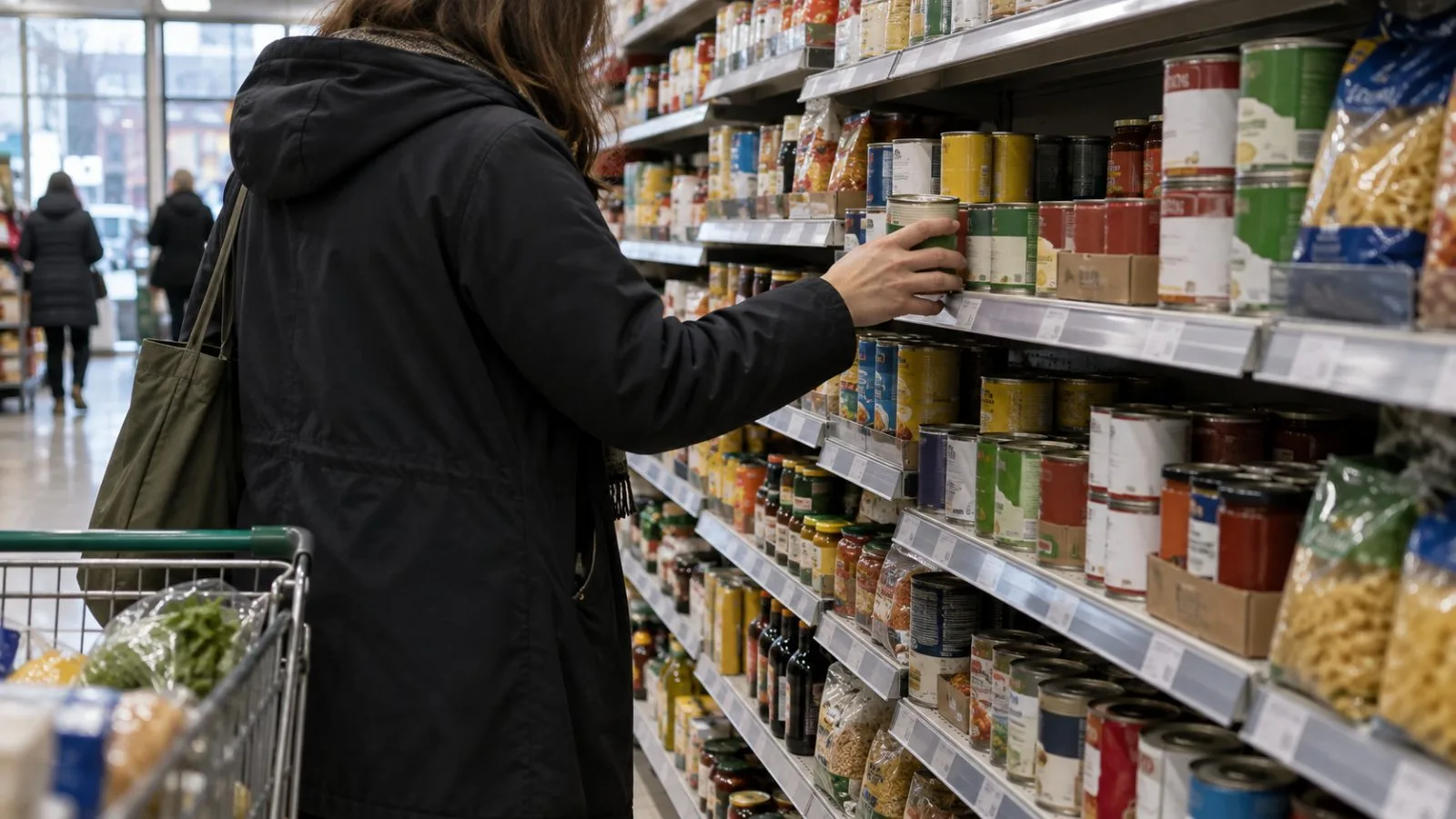
BRC Chief Executive Helen Dickinson said retailers had absorbed higher costs for two years but were increasingly unable to shield shoppers from all increases. She pointed to price rises in tinned and packaged goods.
The Guardian linked the change to higher energy and food-ingredient costs following the start of the Middle East conflict. It reported that weak demand had previously left retailers absorbing raw-material increases rather than passing them on to customers.
The Guardian said low-income families faced cost pressures and cited a University of Glasgow study describing effects on families transporting disabled children and workers commuting by car.
The Office for National Statistics (ONS) reported annual consumer price inflation at 3.5% in September, up from 3.1% in August. Petrol averaged 169.5 pence per liter that month, up 8.2 pence from August and the highest since August 2022. Annual motor fuel inflation was 29.8%, compared with 23% in August; EconoTimes previously covered the September inflation figures.
The ONS also reported core inflation, which excludes energy, food, alcohol and tobacco, at 2.8%, up from 2.6%. Services inflation rose to 3.7% from 3.4%.
The Guardian reported that the Bank of England was expected to raise interest rates the following week, with further increases possible if shop-price rises persisted. HM Treasury scheduled Healey's first budget for Wednesday, Oct. 28.