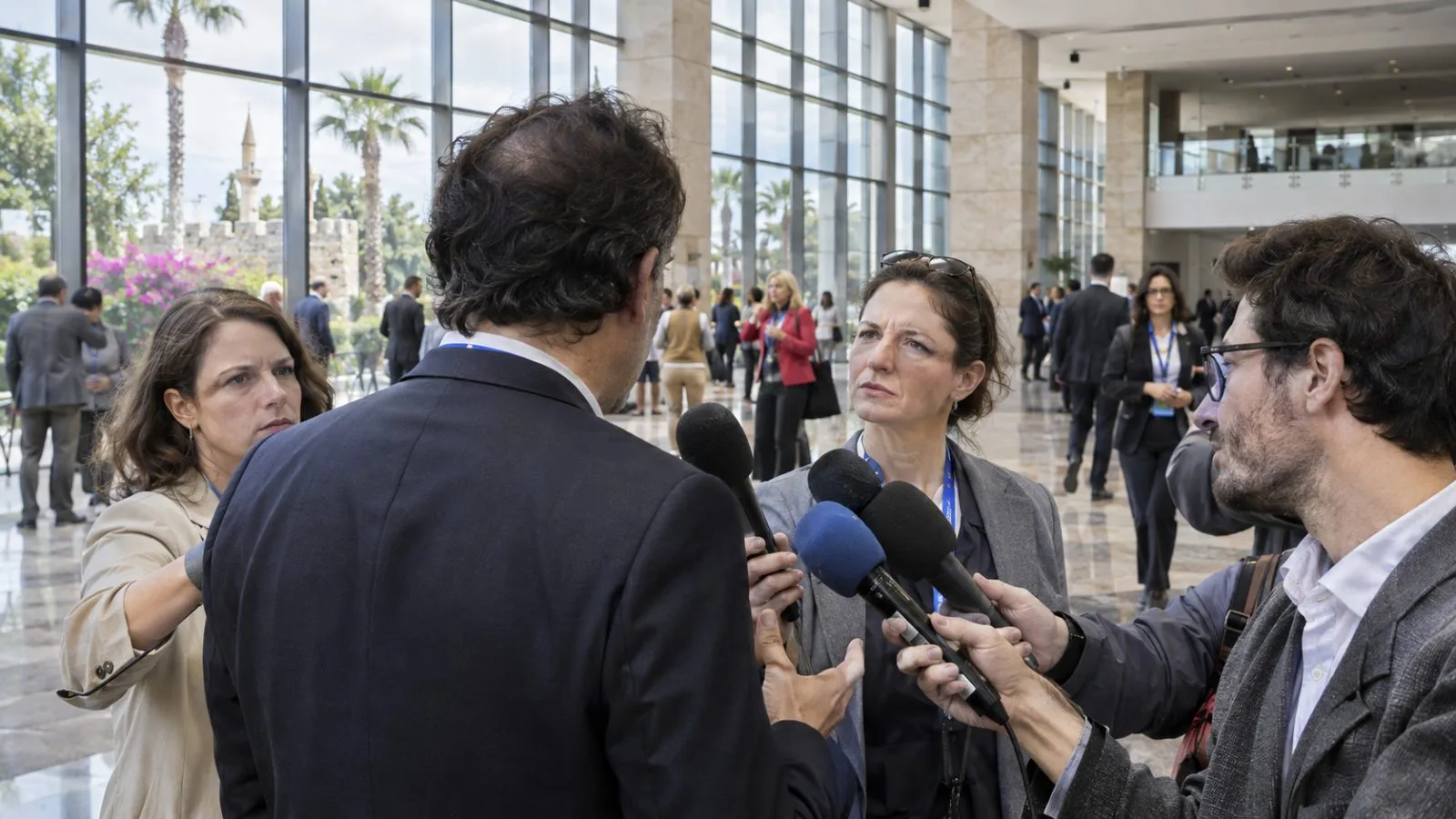
Brazil should move faster to reduce resource extraction in the Amazon and fund its circular economy strategy, U.N. adviser Carlos Silva Filho told Anadolu at COP31 in Antalya, Türkiye.
Silva Filho, a member of the U.N. Secretary-General’s Advisory Board on Zero Waste, said Brazil has made progress in developing the policy but needs to put it into practice more quickly. Financing is central to that effort, he said. He also argued that preventing waste would reduce demand for raw materials.
Brazil established the Estratégia Nacional de Economia Circular (ENEC) in 2024. The country’s industry ministry says the strategy aims to reduce reliance on newly extracted resources by keeping materials in use longer through repair, reuse and recycling. Silva Filho’s appeal concerns how quickly Brazil carries out that existing strategy.
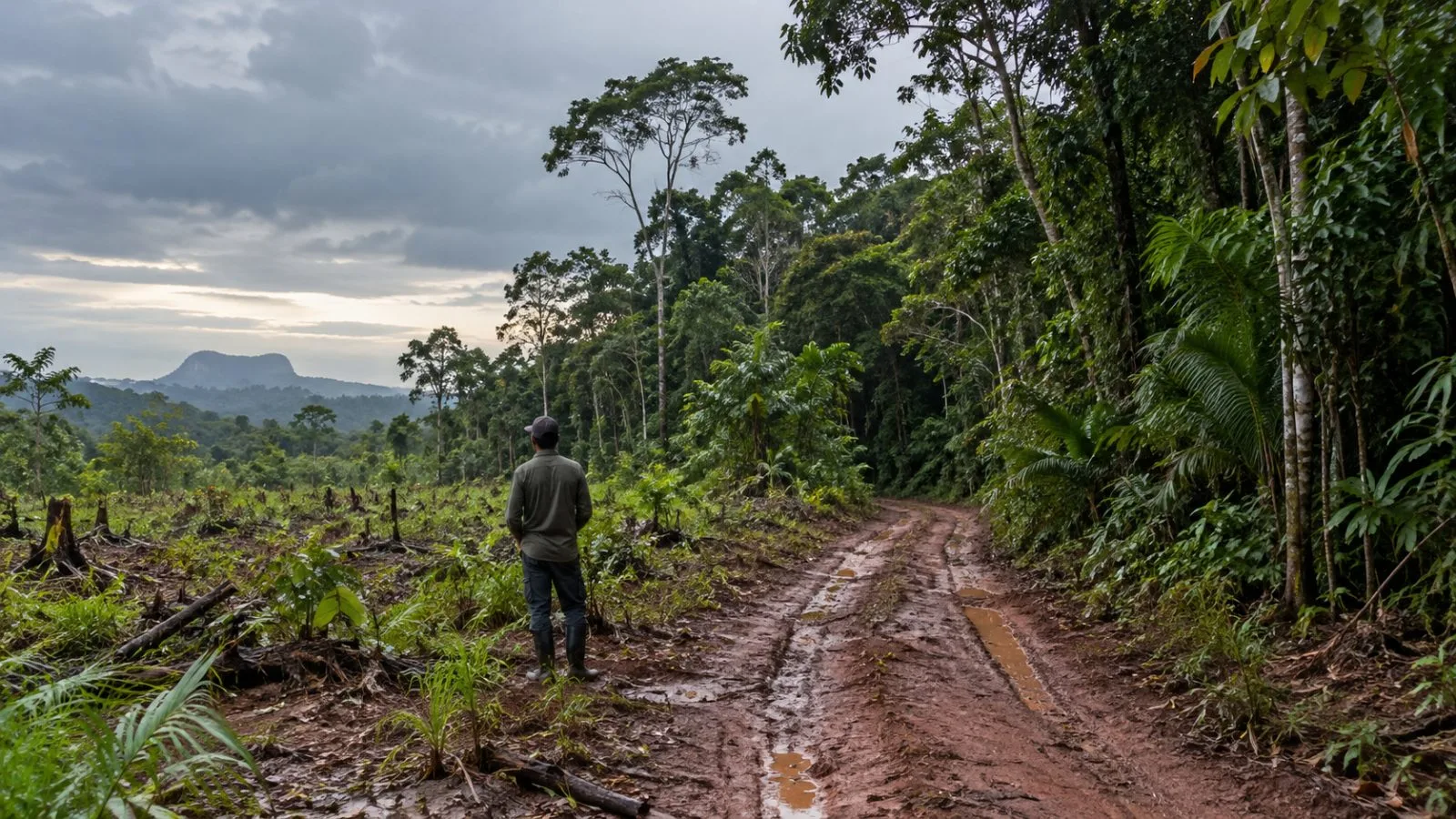
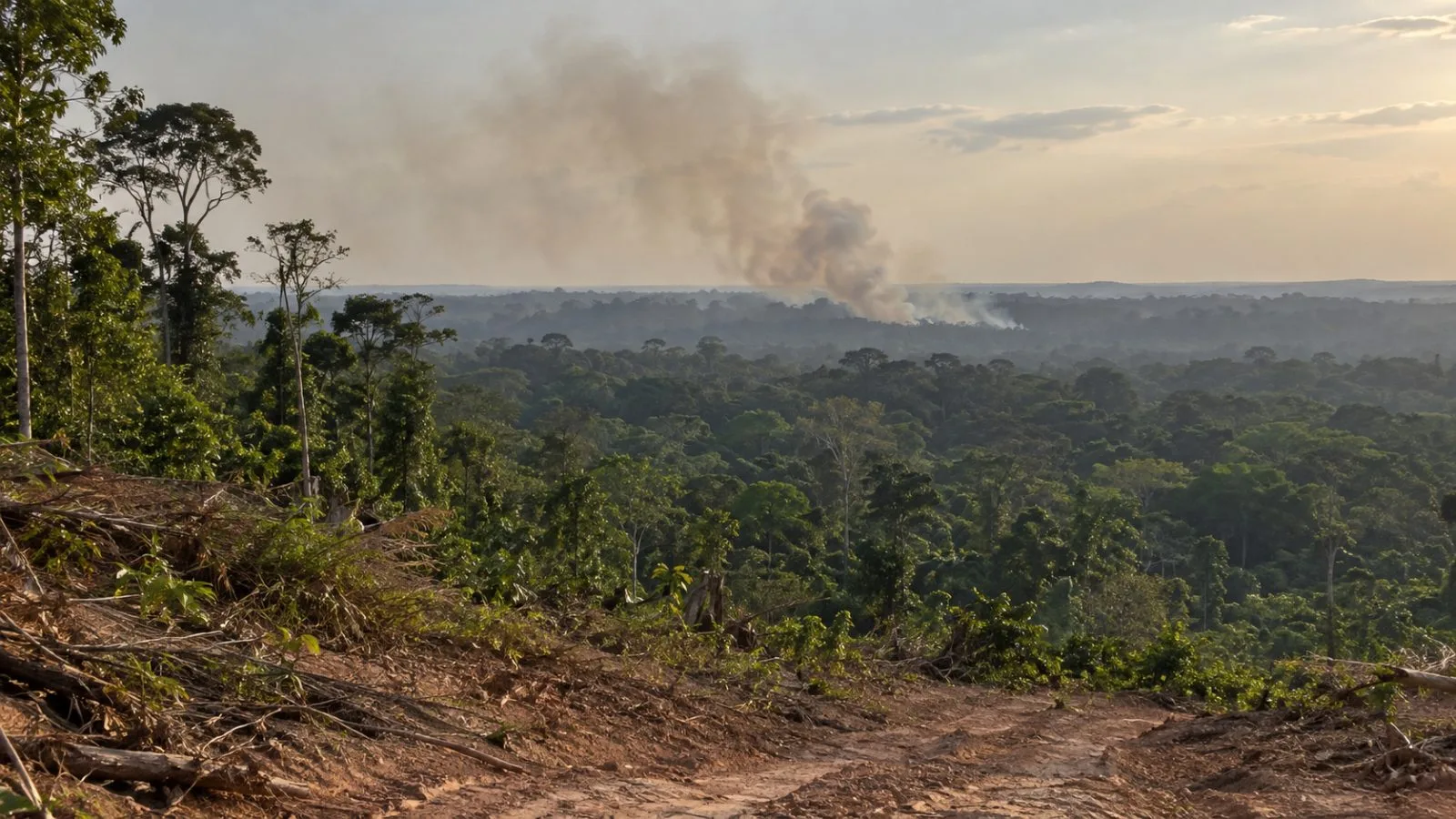
Brazil’s National Institute for Space Research (INPE) estimated 3,335 square kilometers of deforestation in the Legal Amazon from Aug. 1, 2025, through July 31, 2026. The preliminary estimate was 41.8% below the preceding period and the lowest in INPE’s Amazon deforestation series, which began in 1988. EconoTimes previously reported the deforestation estimate. The data record a decline in clearing but do not isolate the effects of individual policies.
The United Nations Environment Programme (UNEP) set out the wider economic stakes in a 2024 waste report. It projected that annual global costs associated with waste could reach $640.3 billion by 2050 if current practices continue. Under a circular economy scenario, the report projected an annual net gain of $108.5 billion by 2050. Those figures are global projections, not estimates of the results of Brazil’s strategy.
COP31 opened Nov. 9 and is scheduled to run through Nov. 20. Its program sets aside Nov. 11 for zero-waste discussions. INPE’s consolidated Amazon deforestation rate is due in the first half of 2027; the agency has not announced an exact release date.