United Nations Under-Secretary-General for Humanitarian Affairs and Emergency Relief Coordinator Tom Fletcher called for wider international mobilization ahead of a potentially powerful El Niño that could intensify food, water and livelihood pressures across vulnerable regions.
The WMO’s latest Global Seasonal Climate Update projects tropical Pacific sea-surface temperatures could reach 3.8°C above average from November 2026 through January 2027. WMO Secretary-General Celeste Saulo said on Oct. 21 that the event’s potential strength could exceed the monitoring range used over the past four decades. It is expected to peak toward the end of 2026, with effects continuing afterward.
Fletcher said climate impacts could worsen food insecurity for 50 million people, Anadolu Agency reported. The outlet also reported that Fletcher said the U.N. Central Emergency Response Fund (CERF) had released more than $50 million for preparedness in 11 countries, including Chad, El Salvador, Ethiopia, Somalia and South Sudan.
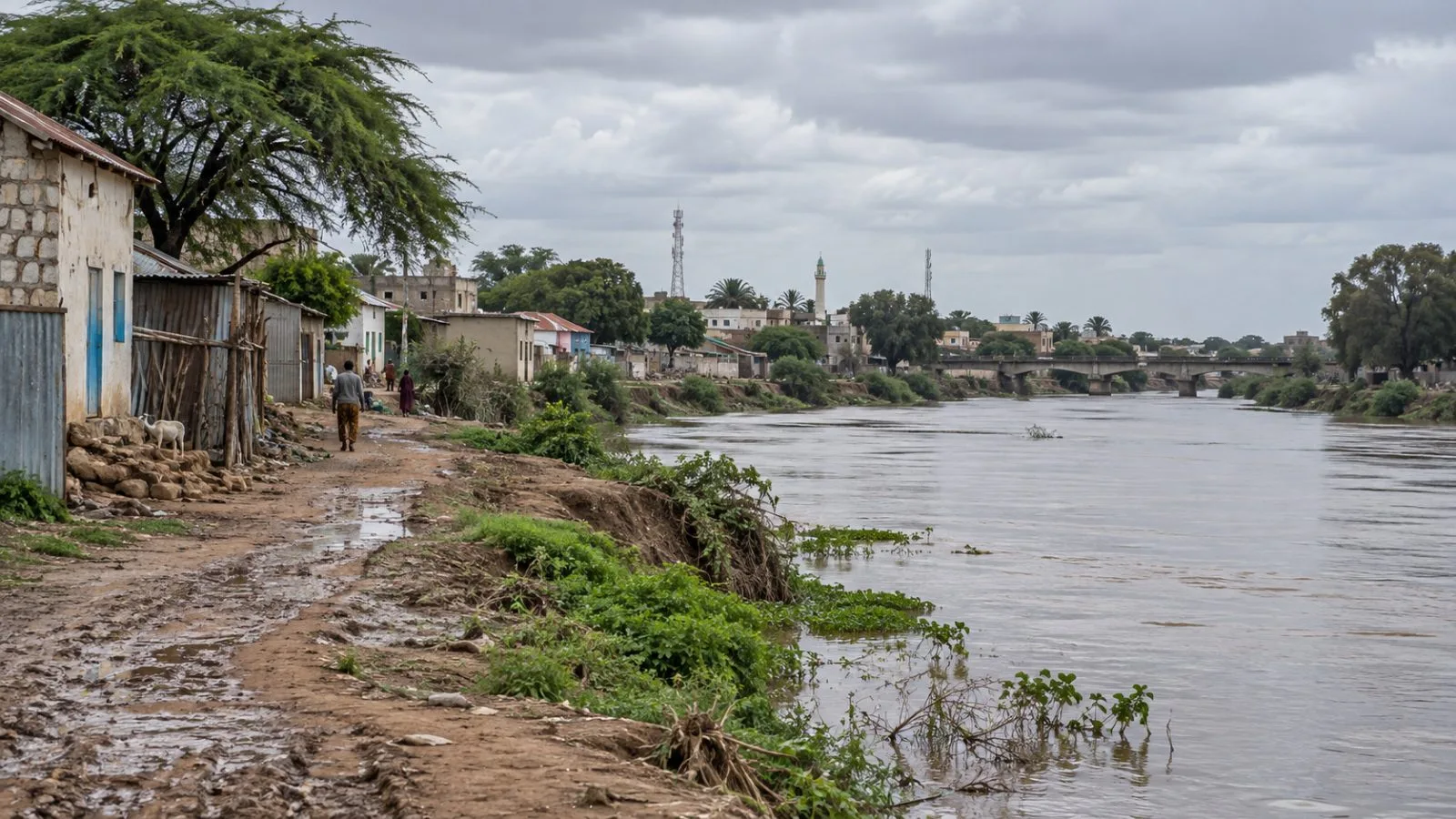
The WMO outlook shows different seasonal risks by region. Wetter-than-usual conditions are more likely in parts of East Africa during the October-December rainy season, raising flood concerns. Southern Africa faces a greater risk of dry conditions from November, while warmer temperatures and rainfall deficits could pressure agriculture and water supplies in parts of Southeast Asia. Saulo said the outlook presents broad seasonal probabilities; regional and national forecasts are needed to guide local preparations.
The Food and Agriculture Organization of the United Nations (FAO) forecasts a below-average maize harvest for El Salvador’s 2026 main Primera season and discusses the later Postrera crop separately. EconoTimes previously covered the maize outlook for El Salvador.
The WMO identifies communities that depend on agriculture and water as exposed to climate impacts. The U.N. briefing also cites conflict, displacement, high food, fertilizer and fuel prices, and aid cuts among existing humanitarian pressures.
Fletcher urged advance funding, protections for crops and livestock, and supplies positioned ahead of possible road disruptions. He called for governments, development banks, scientists, civil society and businesses to take part. Fletcher said the next two weeks were critical for acting before the damage is done.