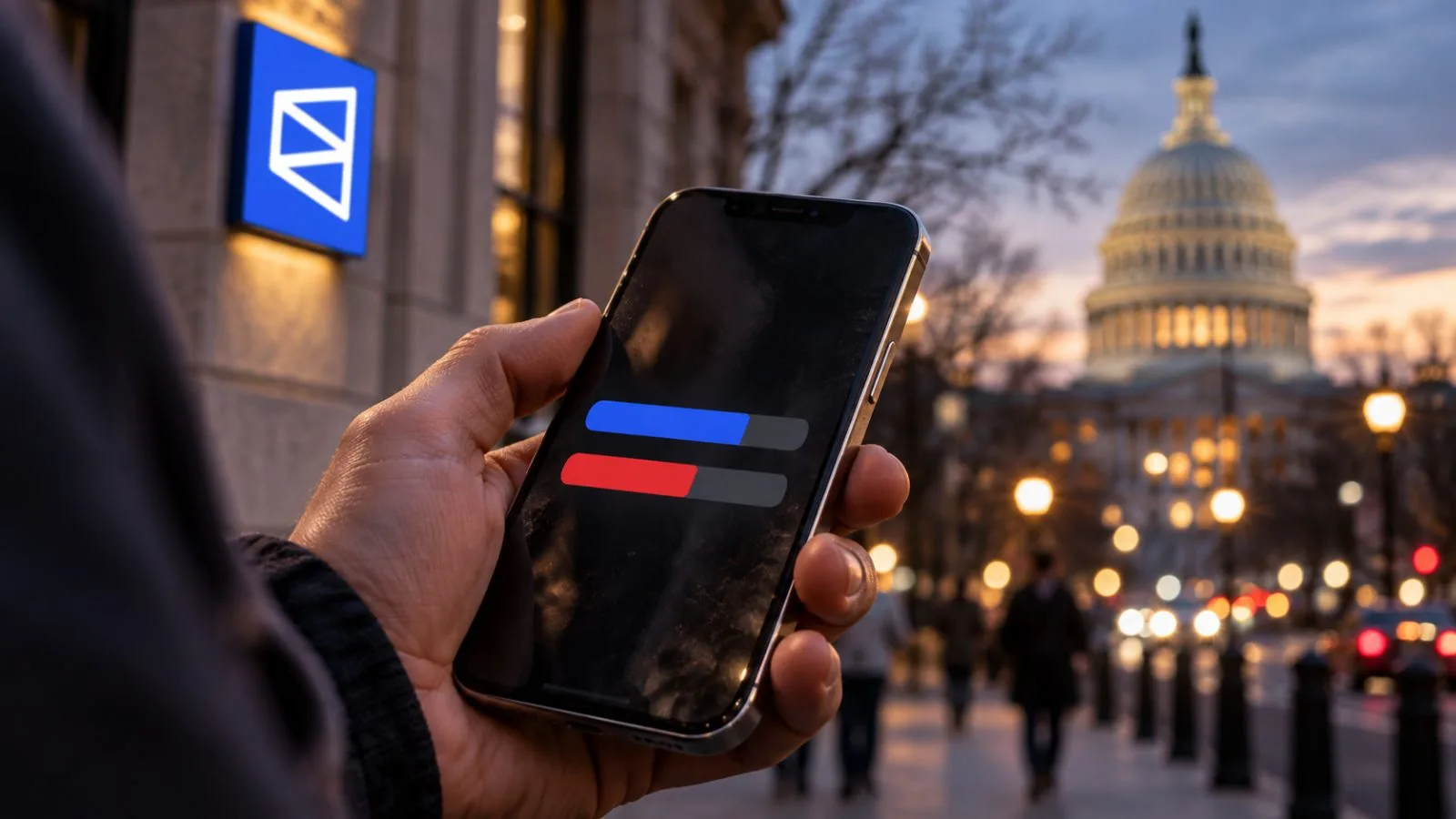
U.S. prediction-market odds are entering the midterm conversation as officials and researchers warn voters may mistake forecasts for results, heightening the risk of baseless fraud claims before the Nov. 3 vote.
Polymarket and Kalshi offer contracts on thousands of midterm outcomes and have partnered with major news organizations, AFP reported. The news agency said hundreds of millions of dollars are at stake. Trading has grown amid disputes over whether federal commodities rules or state gambling laws apply to the contracts. AFP also cited surveys showing that most Americans oppose election betting. It described the coming vote as the first major U.S. election cycle since these markets reached a broad public audience.
Los Angeles provided an example of how a forecast can become part of a fraud allegation. After Republican Spencer Pratt lost the city's mayoral primary in June, right-wing influencers invoked market odds that had favored his advancement to the general election as grounds for fraud claims, AFP reported. Some posts on X disclosed paid partnerships. The posts drew criticism and prompted responses from Polymarket and Kalshi, AFP reported. Michael Sanchez, a spokesman for the Los Angeles County registrar's office, told AFP the episode showed how market expectations can be mistaken for election outcomes.
AFP reported it had exclusively obtained a memo from Kalshi setting limits on what the company's paid partners may say about election administration. The memo told partners not to challenge official vote counts, court rulings or other formal election decisions. It said Kalshi will terminate partnerships with partners who make unsupported allegations that an election result was rigged or the process mishandled.
Kalshi says its contracts offer a different signal from polling and that probabilities should not be treated as certainty. Elisabeth Diana, the company's head of communications, told AFP: “You trade what you think will happen.” She described polls as a measure of respondents' stated preferences. Kalshi also says trading by other participants can offset attempts to influence odds. Polymarket did not respond to AFP's request for comment.
AFP reported that the University of Washington's Center for an Informed Public has begun monitoring, for the first time, online claims that misrepresent prediction markets. Rachel Moran, a senior research scientist at the center, said the prospect of financial gain gives people an added motive to spread rumors.
Maryland elections chief Jared DeMarinis has asked the state to examine whether election betting is legal there and has barred poll workers from placing election-related bets, according to AFP. He told the news agency that heavily one-sided odds might discourage voting and that false claims could add pressure on election staff. The U.S. midterm vote is scheduled for Nov. 3.