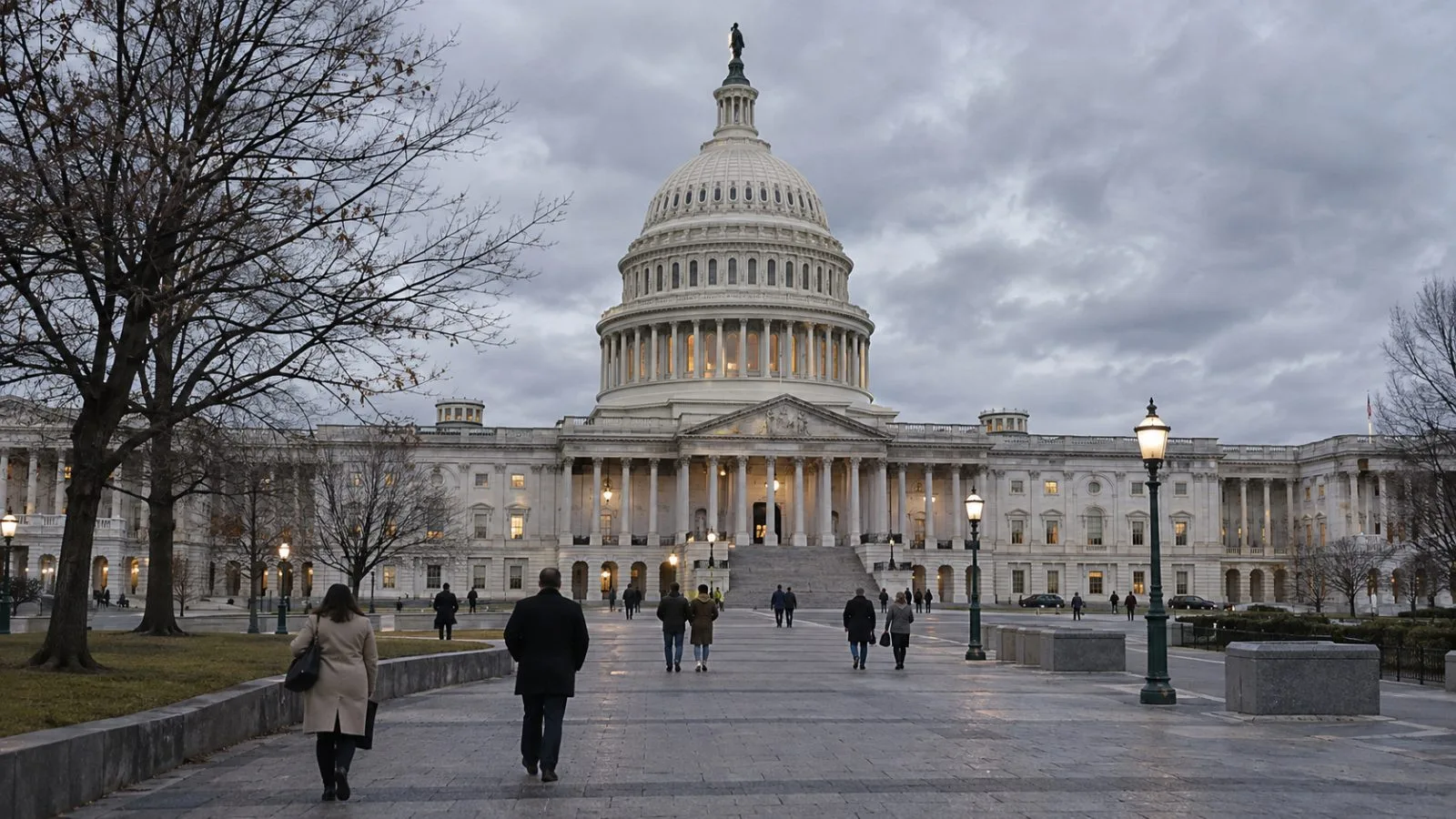
Foreign governments are weighing what Democrats’ reported control of both chambers may mean for U.S. policy, as officials signal hopes for change while others expect key ties to remain steady.
The Associated Press (AP) reported Nov. 4 that Democrats had at least 54 of the Senate’s 100 seats and a House majority exceeding the 218-seat threshold. Some contests remained uncalled in that snapshot.
Spain’s Prime Minister Pedro Sánchez cast the result in a post on X as a rejection of economic hardship, hate, sexism, climate denial and elite privilege. He also predicted Spain would see a similar shift, the AP reported.
Norway’s Prime Minister Jonas Gahr Stoere told Reuters the result was a political signal of a change in direction among U.S. voters; he said emerging voices in U.S. politics were closer to Norway’s positions on climate, the environment, foreign policy and development aid.
South African President Cyril Ramaphosa told reporters that the Democratic victory in both chambers marked a new period in international relations, the AP reported. Greek government spokesman Pavlos Marinakis told SKAI that Greek-American ties would remain strong and that the United States would remain a strategic ally for major projects and agreements. He said the election result would not affect those ties or arrangements.
Canada’s Trade Minister Dominic LeBlanc said it was unclear whether the result would strengthen Canada’s position in trade negotiations with the United States, AP reported. He noted that the new lawmakers would not take office until January.
The AP reported that higher fuel costs linked to the Iran conflict added to voter frustration, while tariffs had strained U.S. economic and diplomatic relationships. Laurel Rapp, director of the U.S. and North America program at Chatham House, told AP that President Donald Trump has wide latitude in foreign affairs, while lawmakers have greater means to check his domestic agenda.
The new Congress is scheduled to begin work Jan. 3, 2027.