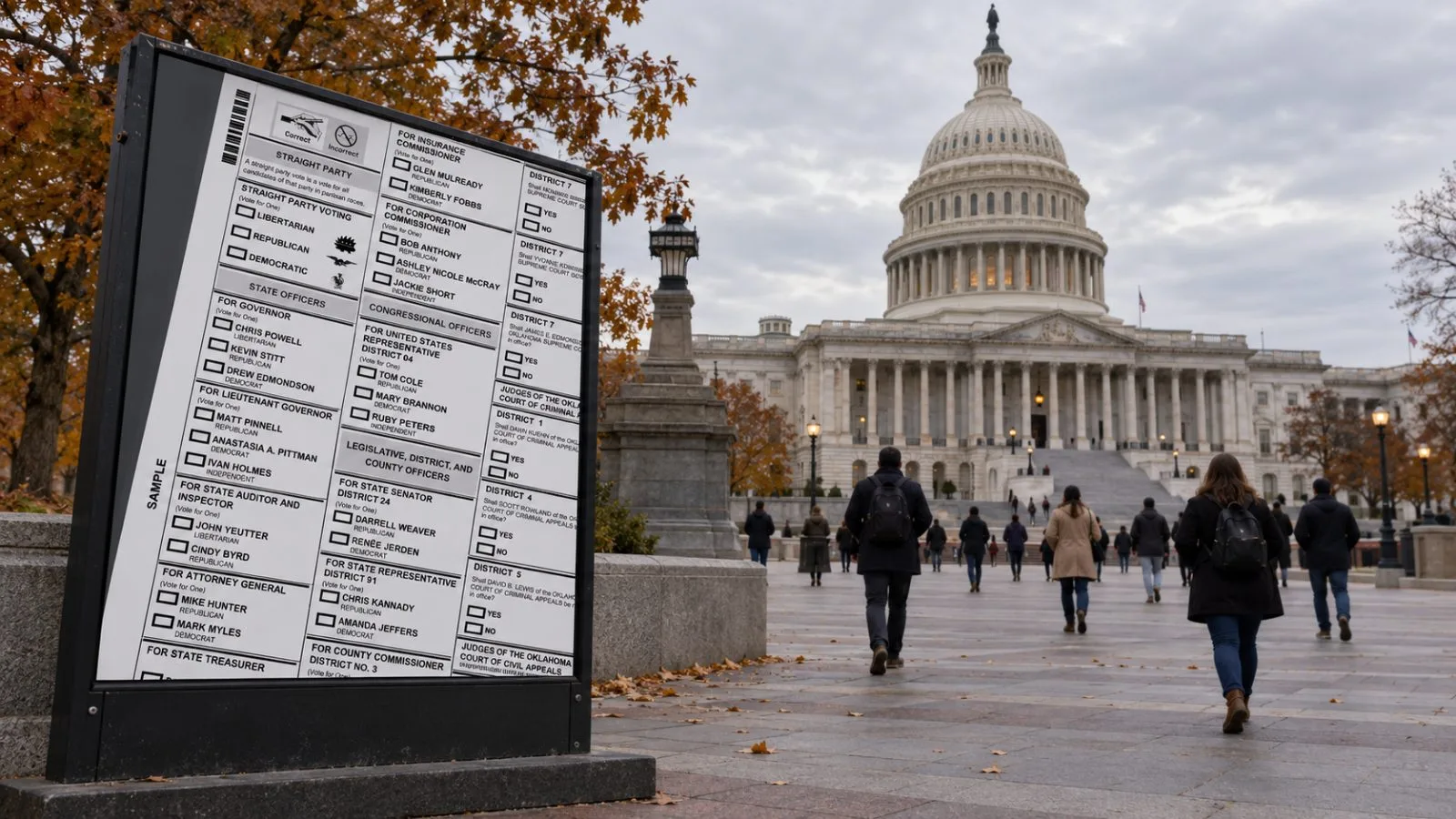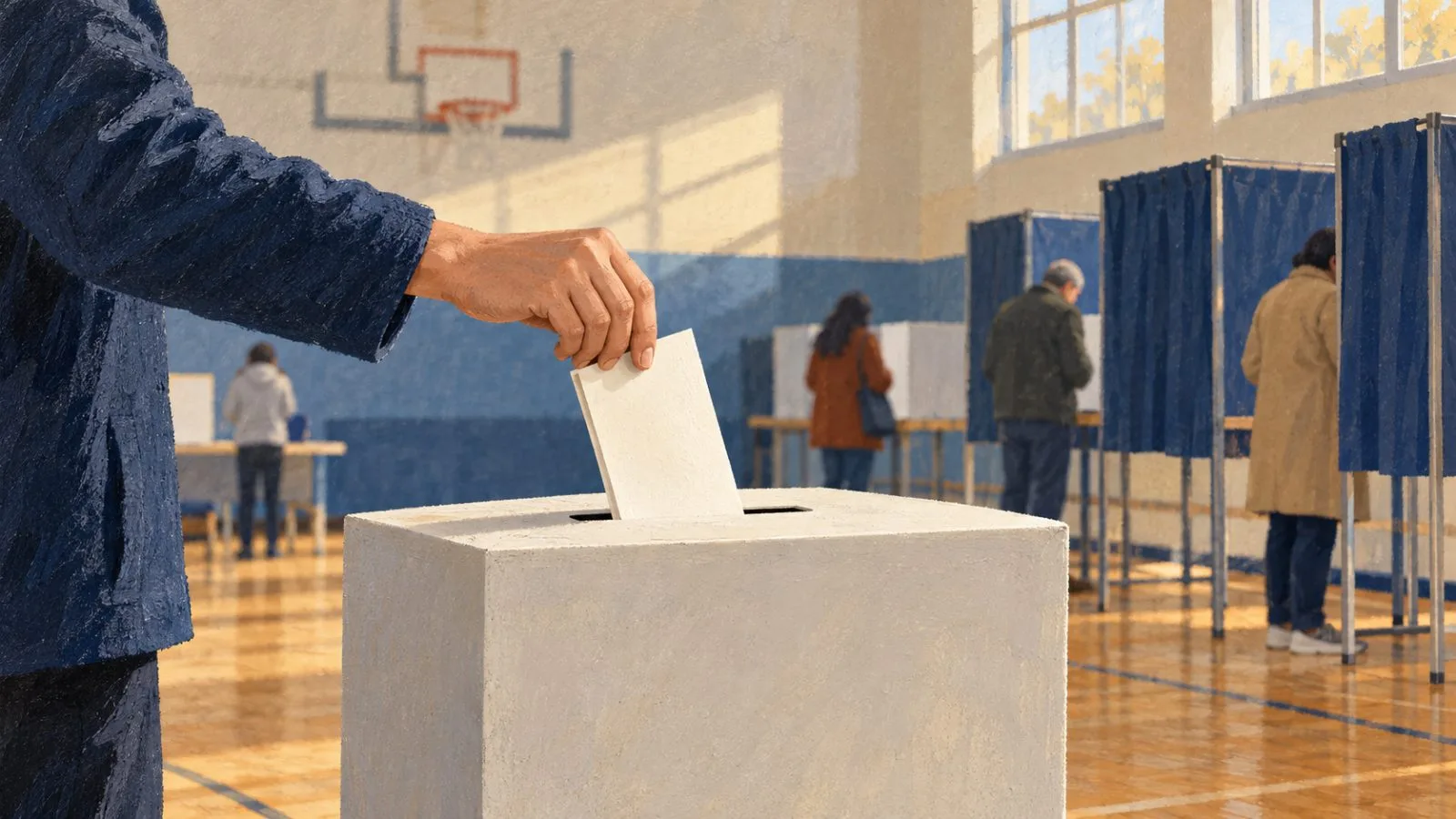
U.S. voters head to the polls Tuesday, Nov. 3, to choose every member of the House and about one-third of the Senate, while state rules govern who may vote and how ballots are cast.
The Federal Election Commission lists Nov. 3 as the next regularly scheduled federal general election. The House’s 435 seats are elected every two years, while senators serve six-year terms, with roughly one-third of the Senate elected every two years. USAGov lists 2028 as the next presidential election, indicating that voters will not choose a president or vice president in this cycle. The election results will shape control of the House and Senate for the next two years.
The U.S. Election Assistance Commission (EAC) says the usual requirements include U.S. citizenship, meeting state residency rules, registration and being at least 18 by Election Day. North Dakota does not require voter registration. Noncitizens, including permanent legal residents, cannot vote in federal or state elections, though some local jurisdictions allow them to vote in local contests, USAGov says. Dual citizens may vote if they meet the other requirements, and people experiencing homelessness may qualify under state residency rules. Voting eligibility after a felony conviction varies by state.
Registration options include applying in person or by mail, with online signup available in many states. Deadlines range from Election Day registration in some states to as much as 30 days before the election in others, the EAC says.
In-person voting on Election Day is available nationwide, and many states also offer early voting. Mail voting may require an excuse or be available to all voters; polling locations, hours and identification rules vary. Voters whose names are missing from a polling-place list can request a provisional ballot under federal guidance. Officials review eligibility before counting it, and voters who joined the line before polls closed may still cast a ballot.
For current deadlines, polling locations, hours, identification rules and ballot options, the EAC points voters to state and local election offices ahead of the Nov. 3 vote.