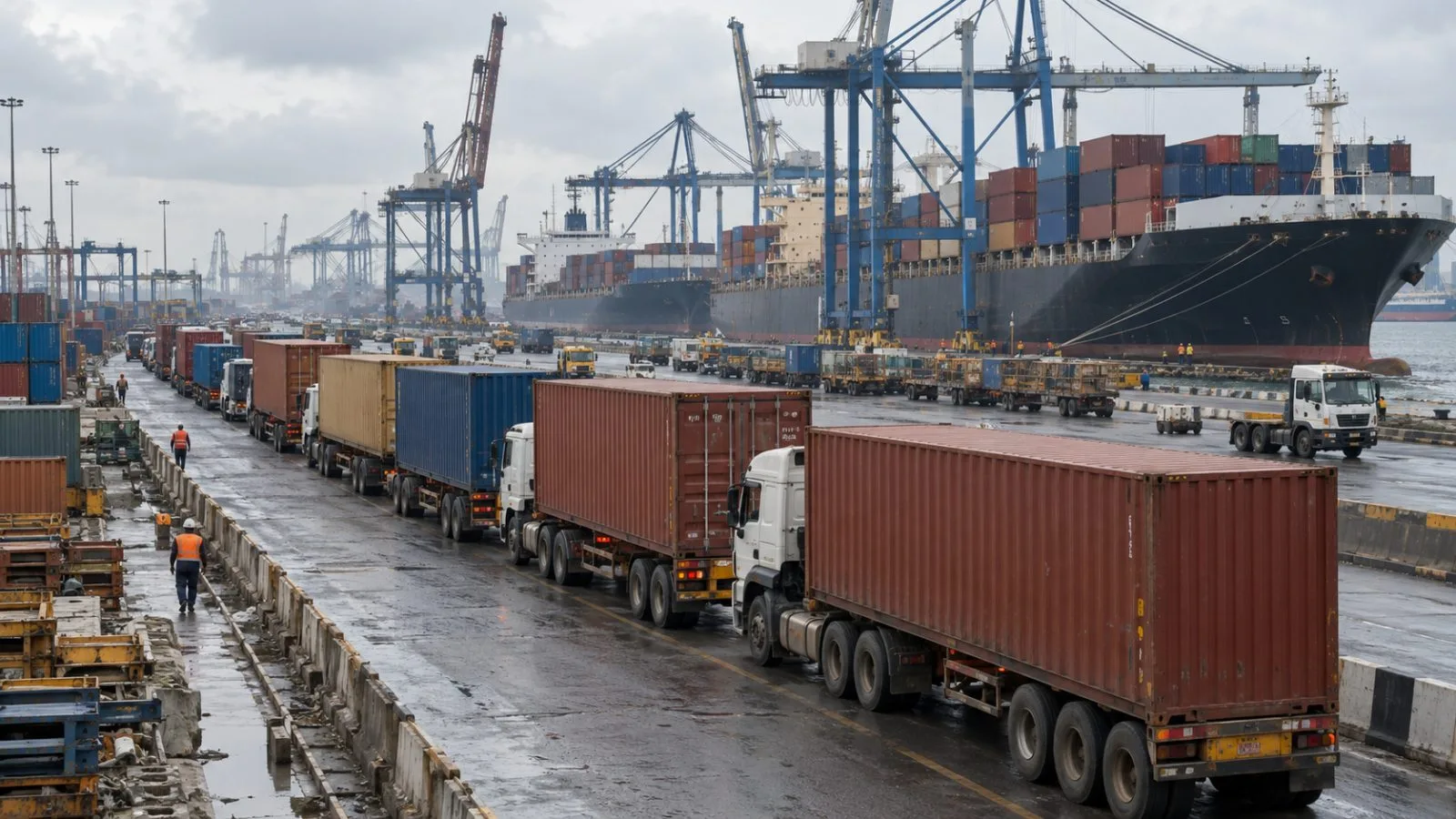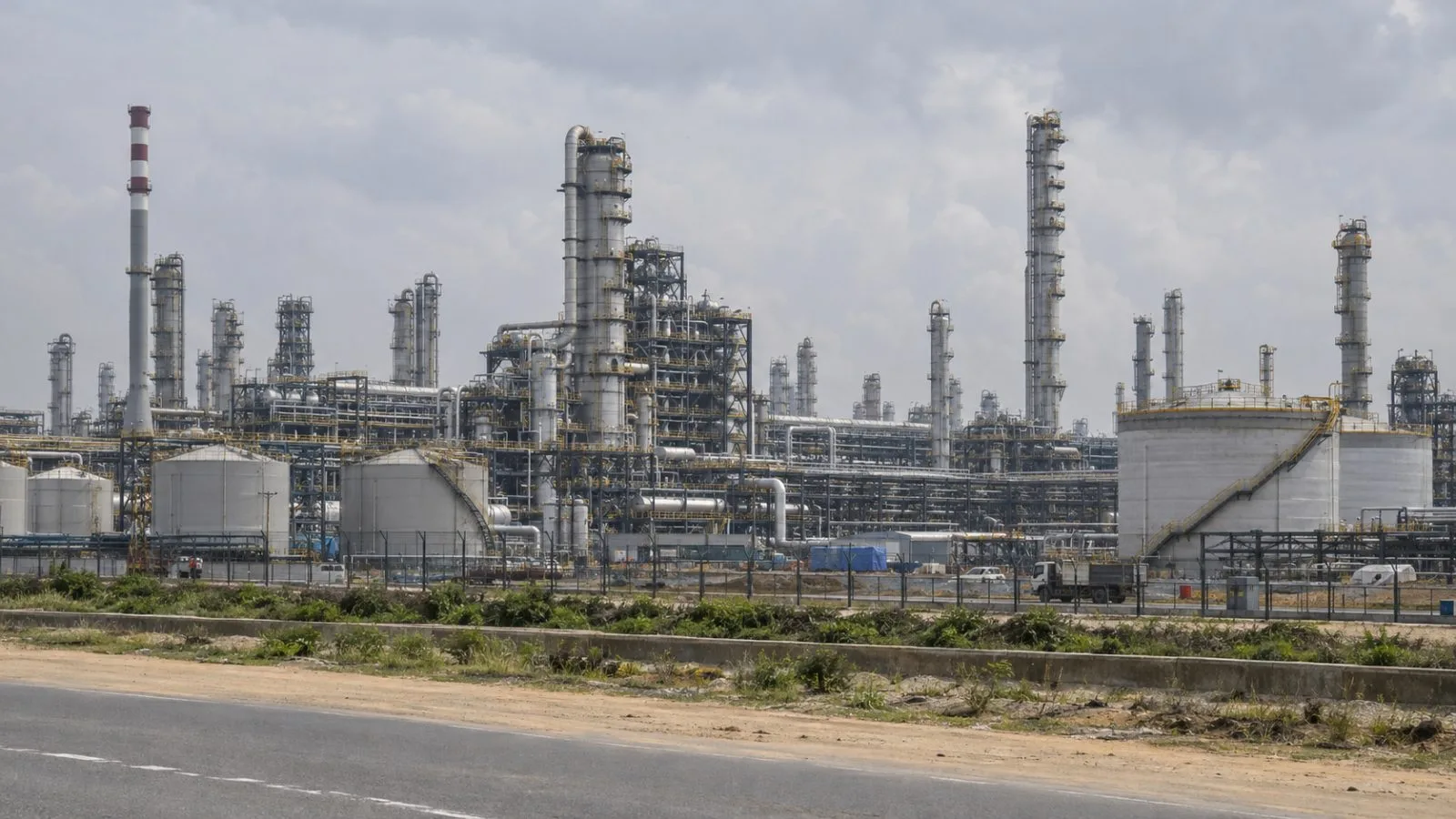
U.S. imports of Nigerian crude fell 58% through August 2026, while Kpler put Dangote’s August intake at a record, though the figures do not establish a link between the trends.
U.S. Census Bureau data show imports totaled 14.009 million barrels in January-August, down from 33.229 million barrels in the same period of 2025. Their customs value declined 49.8%, to $1.255 billion from $2.498 billion. Nigeria supplied about 1% of the 1.460 billion barrels of crude the United States imported through August; Canada accounted for 940.494 million barrels, or about 64%.
Kpler said crude imports to Dangote’s refinery reached 670,000 barrels per day in August, a record, and Nigerian crude made up 85% to 90% of its crude slate. In a separate figure for Nigeria-origin deliveries, Reuters, citing Kpler data, reported an August average of 565,000 barrels per day, compared with 280,000 barrels per day in 2025. Reuters also reported, citing four industry sources, that the refinery bought at least 16 million barrels of Nigerian crude for October arrival.
The U.S. Energy Information Administration (EIA) says Dangote began operating in January 2024. The refinery’s crude distillation capacity rose to 700,000 barrels per day after maintenance finished in February 2026, up from 650,000 barrels per day.
Sanjana Shivdas, Argus Media’s head of West Africa crude pricing, told BusinessDay that lower U.S. purchases reflected reduced export availability and weaker economics for U.S. buyers. BusinessDay cited her estimate that the Dated Brent-West Texas Intermediate spread widened to around $12 per barrel in 2026, from about $4 in 2025. Kpler linked support for Nigerian crude prices to demand from local refineries.
The trade data record lower U.S. imports but do not identify the cause or show that cargoes were redirected to Dangote. The figures and reports do not quantify how much, if any, of the U.S. decline resulted from the refinery’s purchases.