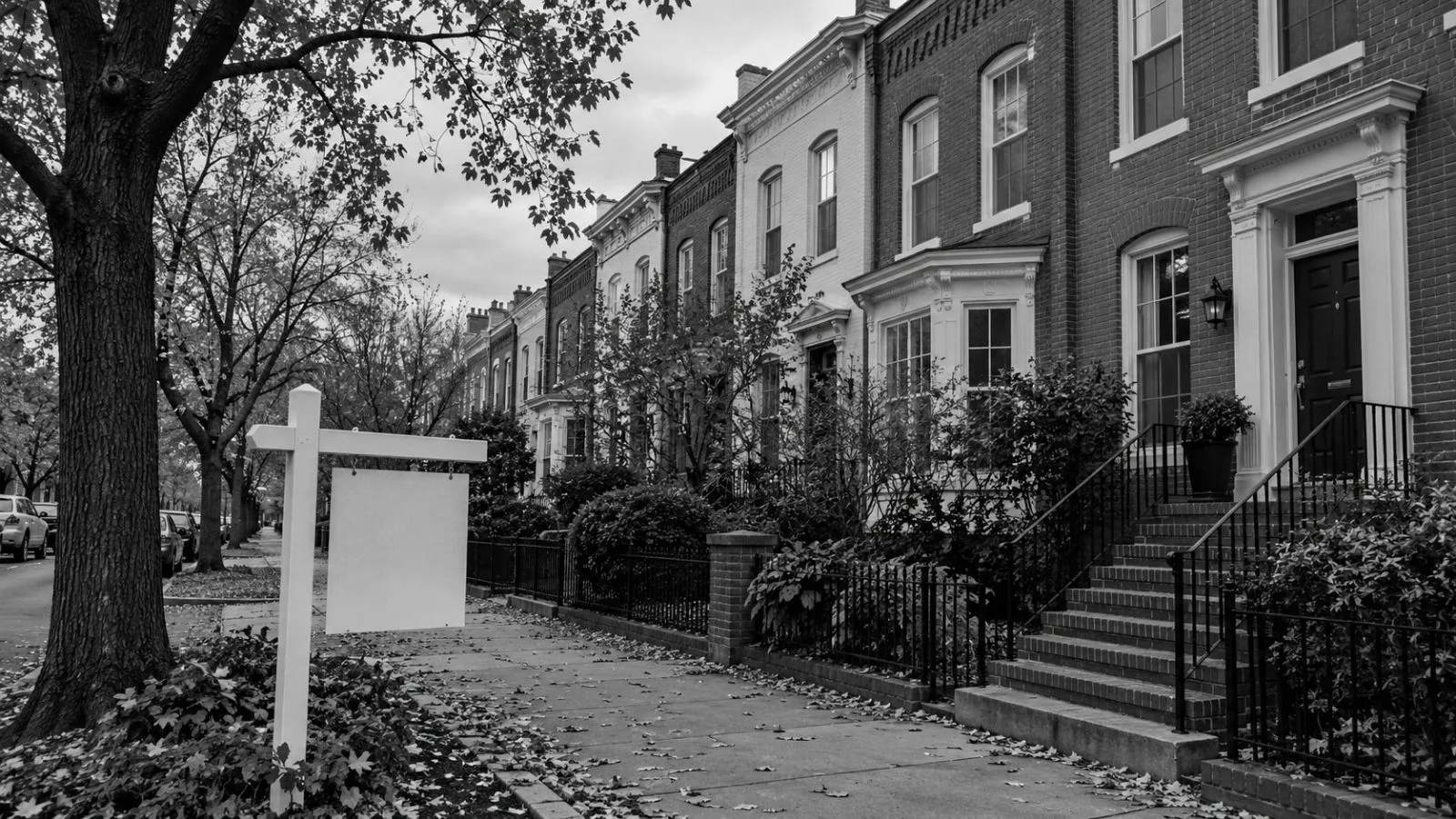
The National Association of Realtors reported a 7.3% September decline in contracts for existing U.S. homes, a sign of softer demand ahead of the Federal Reserve’s next rate decision.
Contract signings were 11.3% below their level a year earlier. All four U.S. regions recorded monthly declines, with the West posting the largest at 9.2%. NAR Chief Economist Lawrence Yun attributed the weakness to rapidly rising mortgage rates.
Freddie Mac’s weekly survey shows how much borrowing costs changed during that period. Its average 30-year fixed mortgage rate rose from 6.71% on Sept. 3 to 7.40% on Oct. 15. Those figures are survey averages, so an individual borrower’s available rate may differ. Higher rates reduce the purchasing power of buyers who need mortgages.
Pending sales count signed contracts, which generally precede completed purchases by one or two months. Completed existing-home sales rose 1.5% in September from August, NAR reported separately. The two figures measure different stages of a home purchase, making the drop in new contracts a warning about the sales pipeline rather than a reversal of completed September sales.
Other housing measures also showed strain. The U.S. Census Bureau estimated September housing starts at a seasonally adjusted annual rate of 1.221 million units, 5.2% below August. The bureau’s margin of error includes no monthly change, however, so the estimated decline is not statistically significant. Single-family building permits fell 4.0% to an annualized 845,000.
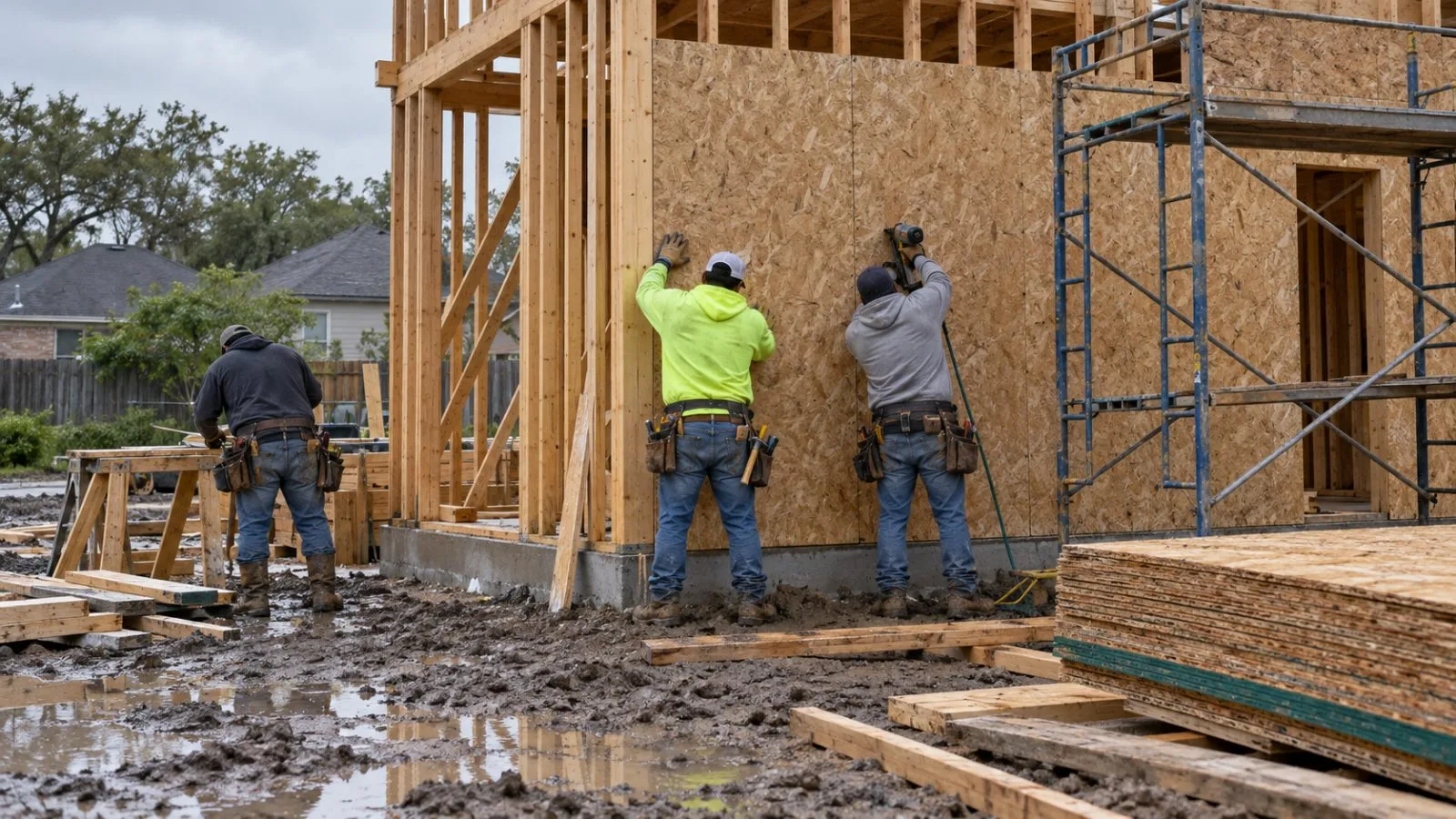
The National Association of Home Builders said its confidence index slipped to 29 in October, its lowest reading since June 2012. In the group’s survey, 43% of builders said they had cut prices. The association also cited construction-loan, material and energy costs as pressures on builders.
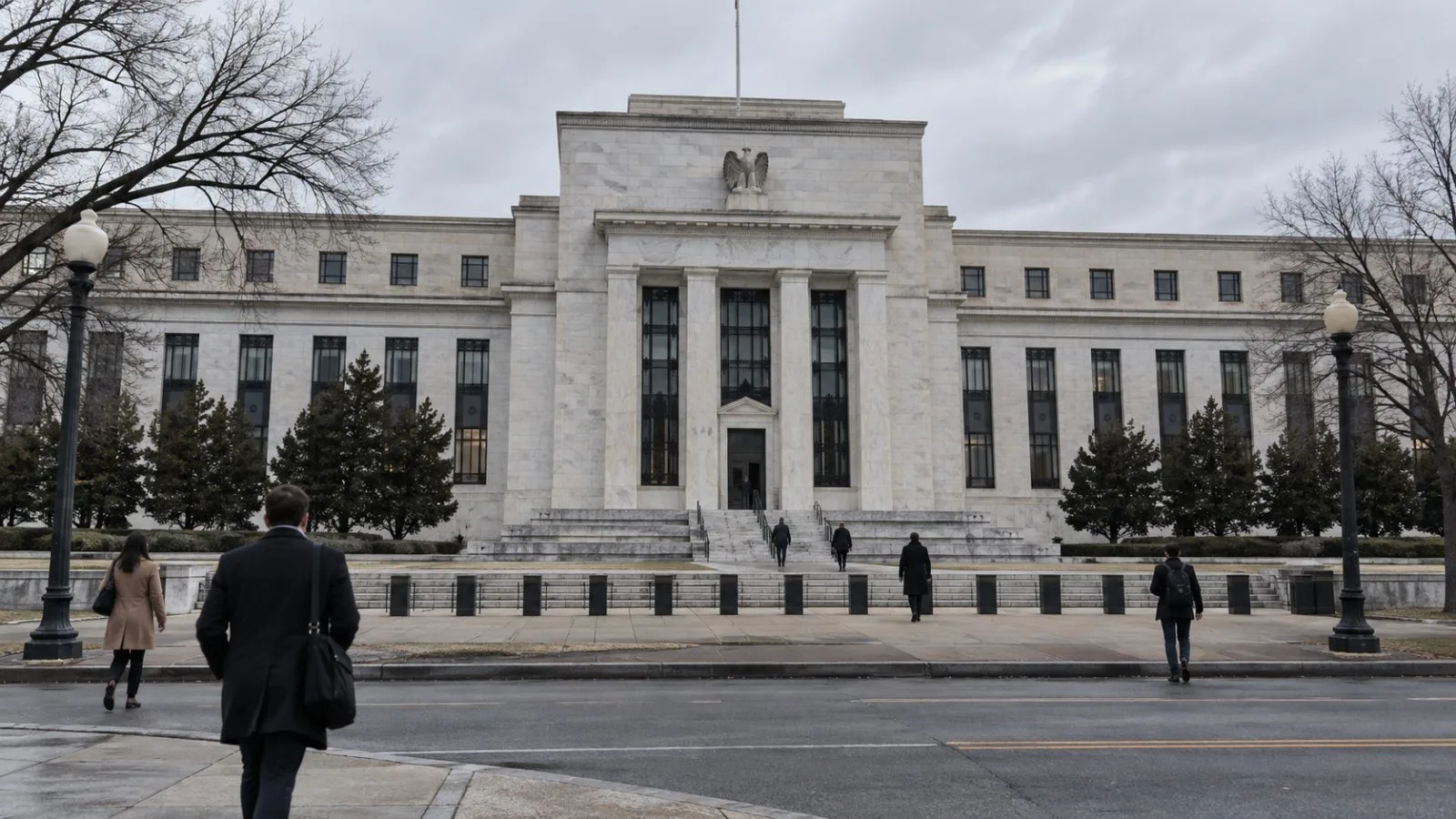
The Fed raised its target interest rate range by a quarter percentage point to 3.75%–4.00% in September. Minutes from that meeting show most participants thought another increase would likely be appropriate by year-end, while future decisions would depend on incoming data. U.S. consumer prices rose 3.7% over the 12 months through September, the Bureau of Labor Statistics reported.
September new-home sales are scheduled for release Oct. 27 at 10 a.m. ET. The Fed’s next policy announcement is scheduled for Oct. 28 at 2 p.m. ET.