U.S. greenhouse gas emissions rose more than those of any other country in 2025, according to U.N. estimates, as electricity demand and coal generation increased while governments remained far from their climate targets.
The United Nations Environment Programme (UNEP) put the U.S. increase from 2024 at an estimated 133 million metric tons of carbon dioxide equivalent. Its preliminary figures show increases of 24.4 million metric tons in Türkiye, 18.9 million in Iran and 17.4 million in Indonesia. The country comparisons exclude emissions and removals from land use, land-use change and forestry.
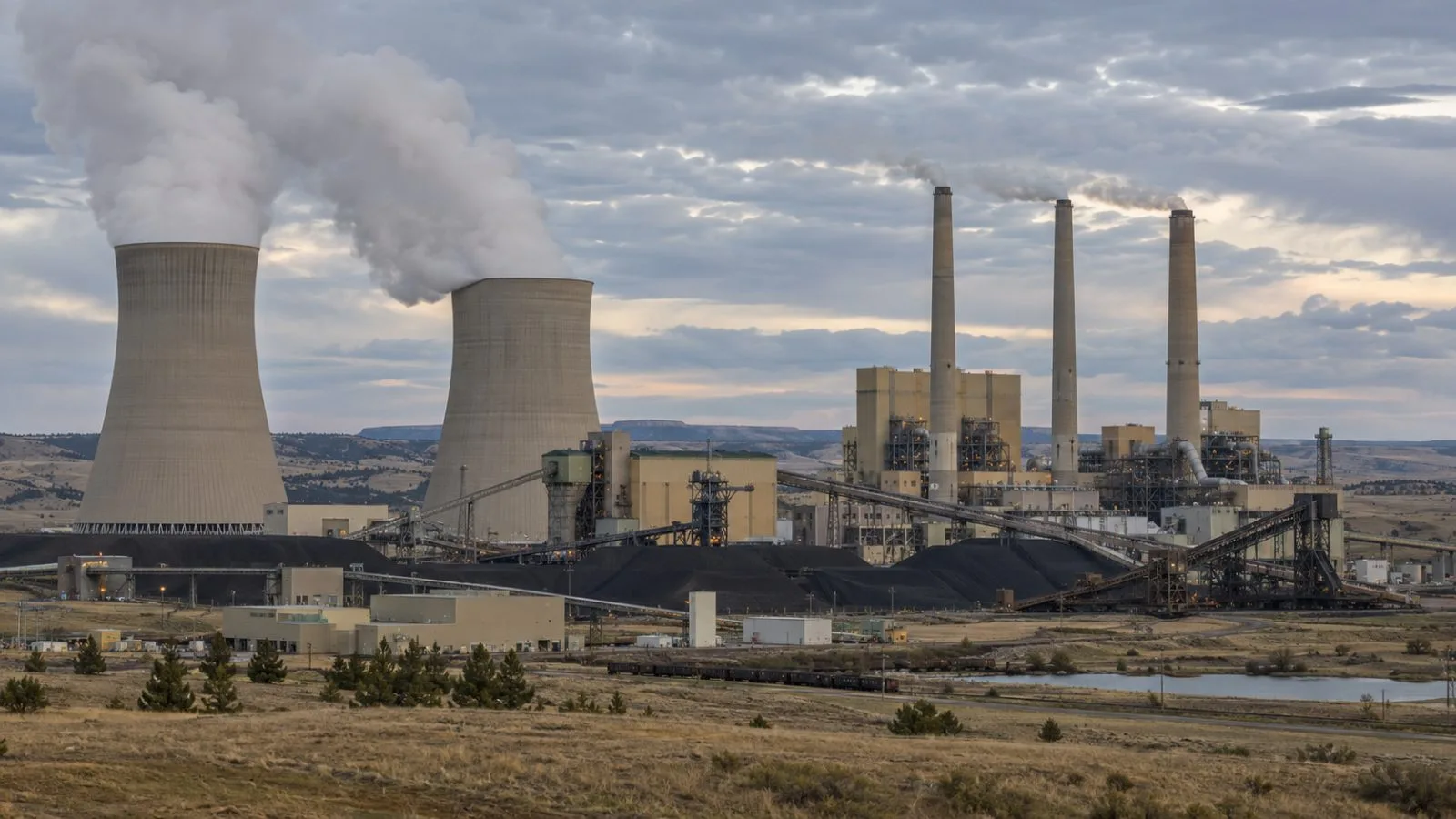
U.S. coal demand climbed 10% in 2025 after falling 16% in 2023 and 5% in 2024, the International Energy Agency (IEA) said. The IEA pointed to greater electricity use, higher natural gas prices and federal efforts to keep coal plants operating longer. Neither agency assigned a share of the U.S. emissions increase to an individual policy.
UNEP estimated global net greenhouse gas emissions at 58.4 billion metric tons of carbon dioxide equivalent in 2025, about 0.1 billion metric tons below its revised 2024 estimate. It said uncertainty in the provisional figures prevents a determination of whether global emissions rose or fell. That worldwide measure includes land-use emissions, giving it a different scope from the country comparisons.
Under current policies, UNEP said there is a 66% chance warming will stay at or below 2.8 degrees Celsius above preindustrial levels by 2100, though warming would continue afterward. If countries fulfill their climate pledges and sustain similar efforts, the comparable 2100 threshold is 2.6 C.
A pathway that limits peak warming to 1.7 to 1.8 C and returns temperatures to 1.5 C or less by 2100 requires global emissions to fall 18% by 2030 and 45% by 2035 from 2025 levels, UNEP said. It also requires large-scale removal of carbon dioxide from the atmosphere. Current pledges, if fulfilled, would deliver cuts of 5% to 8% by 2030 and 11% to 15% by 2035.
The U.S. withdrawal from the Paris Agreement took effect Jan. 27. UNEP said removing the U.S. pledge from its calculations made the gap between policies and pledges for 2030 appear narrower, largely without stronger policy action. In a statement included in the report, the State Department said the United States “does not endorse or agree with its analysis or conclusions.”
Governments are scheduled to meet at the next U.N. climate conference in Antalya, Türkiye, from Nov. 9 to 20.