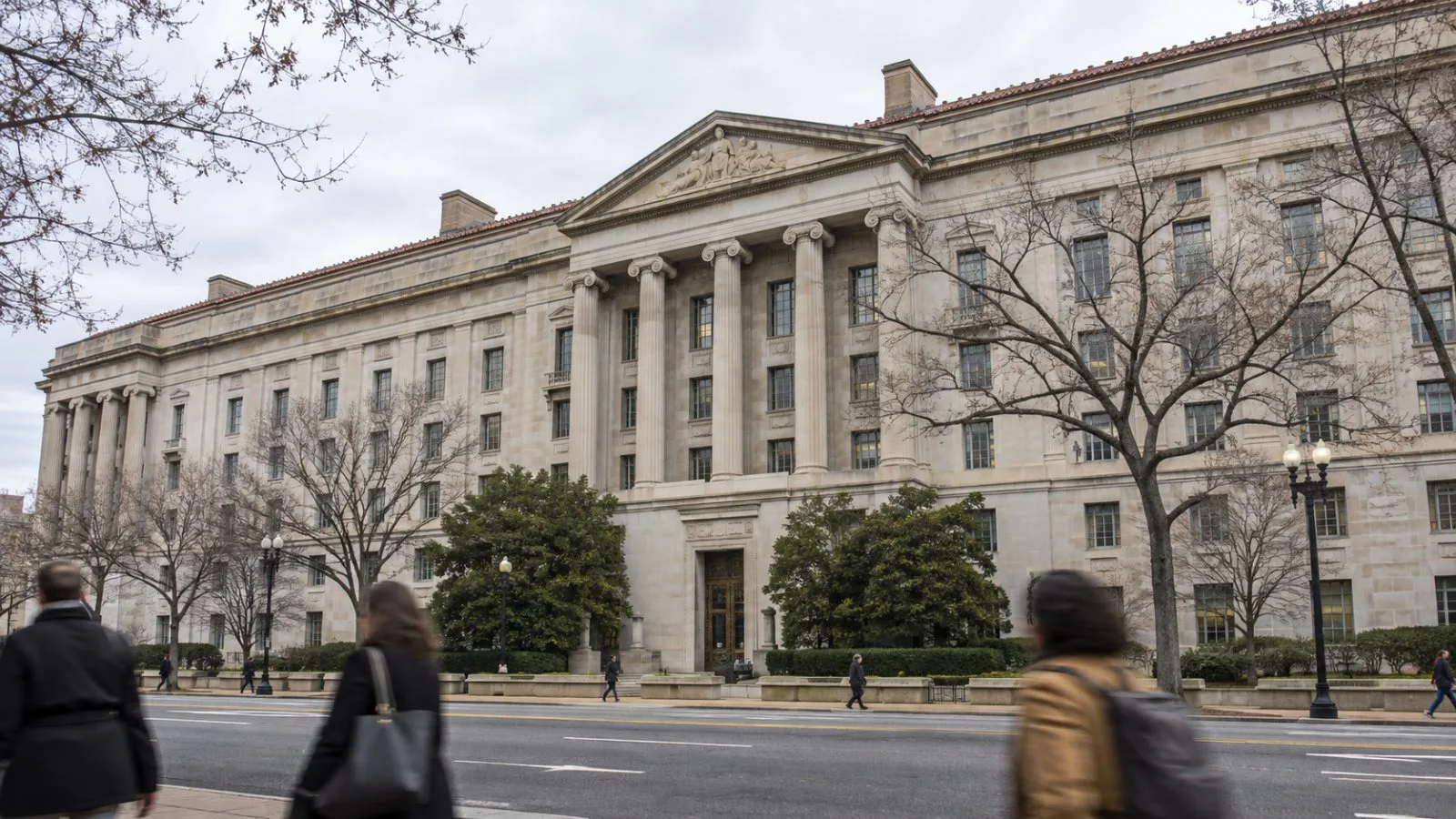
The U.S. Department of Justice (DOJ) says awards under a federal radiation compensation law have topped $1 billion for claimants newly covered after Congress expanded eligibility in 2025.
In a tally running from July 4, 2025, through its Tuesday, Nov. 17, update, submissions topped 67,000, while approvals passed 14,000.
Congress enacted the Radiation Exposure Compensation Act (RECA) in 1990, creating a route to compensation outside court proceedings for people with specified illnesses linked to Cold War-era U.S. nuclear testing or uranium ore processing. The law expired in 2024, and DOJ stopped accepting new claims. Congress restored it through the One Big Beautiful Bill Act in 2025 and widened the populations that could qualify.
The law covers four groups, each with disease and exposure requirements. Downwinders may qualify after developing certain cancers following presumed exposure to radiation released during atmospheric tests conducted within the United States from 1945 to 1962. Another group comprises people who joined a test with an atmospheric nuclear detonation and later developed a disease covered by the law. Eligibility also extends to workers in certain uranium extraction or processing occupations from 1942 to 1990, as well as people who became ill after living, working or attending school in areas contaminated by Manhattan Project waste.
Awards are lump sums of $25,000 to $100,000, depending on the presumed exposure context. DOJ said recipients reside in every U.S. state. Acting Assistant Attorney General Jonathan Guynn of DOJ’s Civil Division said Congress had determined claimants deserved compensation and described the law as providing “partial restitution” to people and families whose disease risk increased in service of U.S. national security interests.