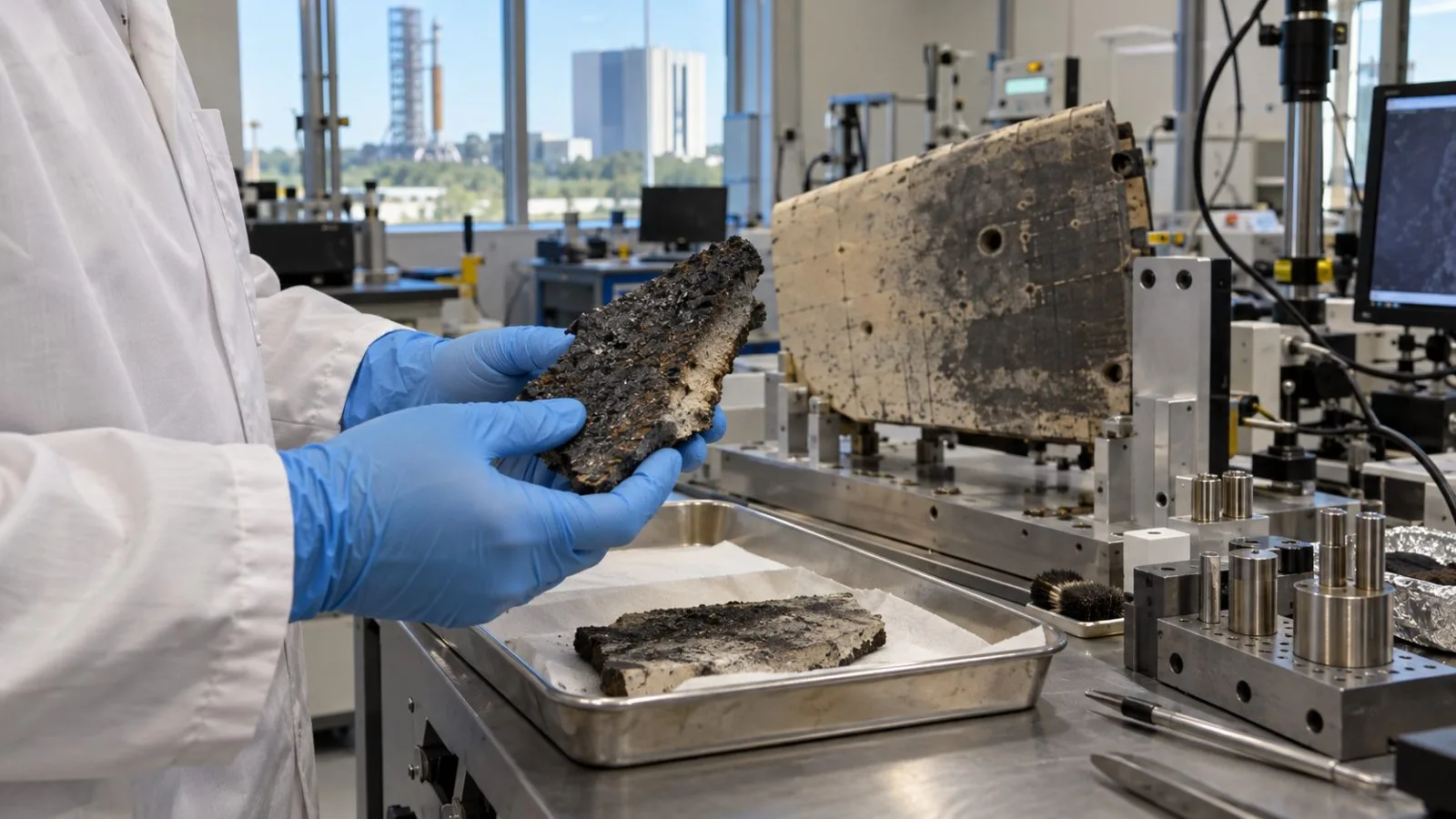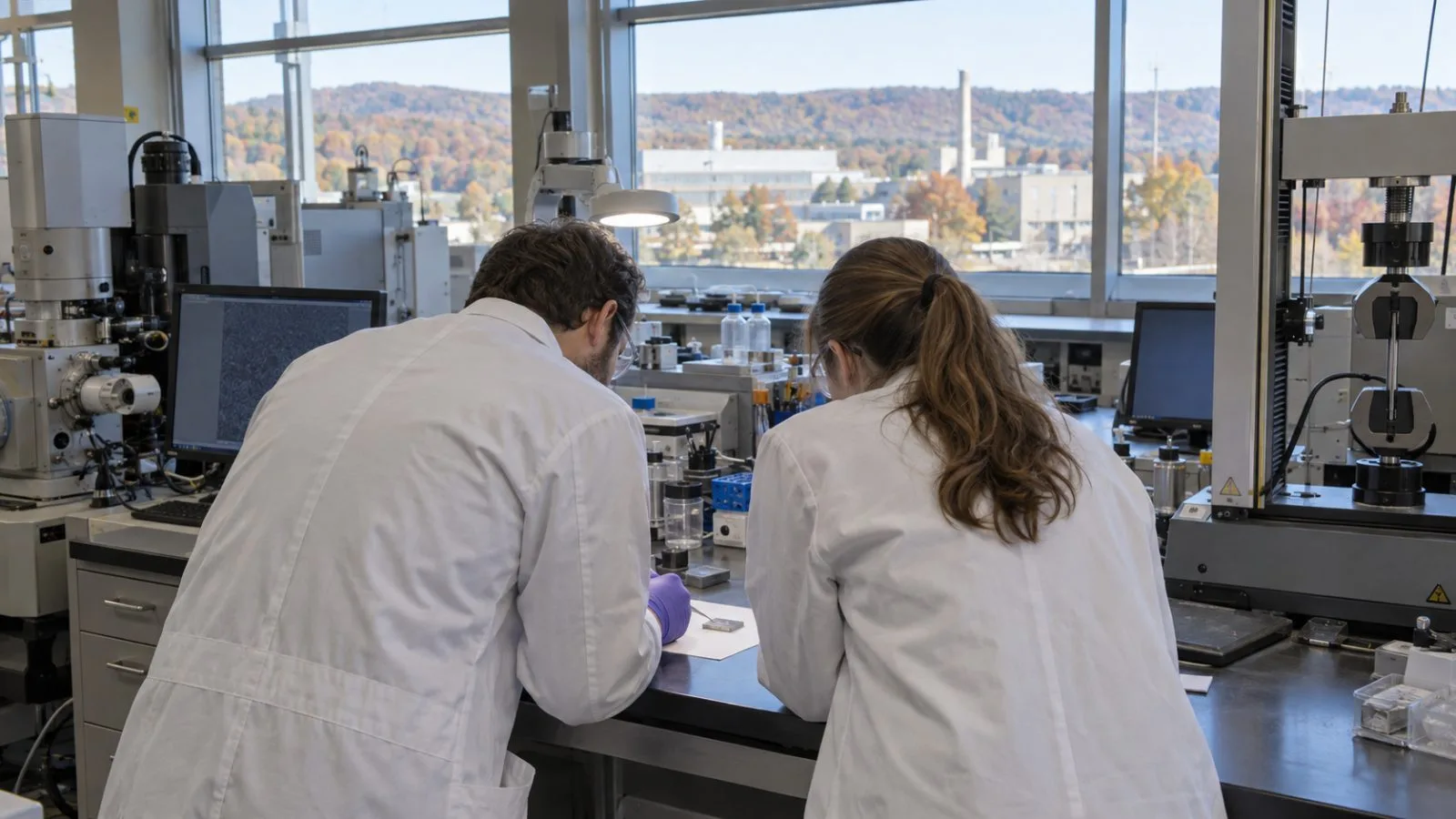
Vulcan Elements says a three-year U.S. research project led by co-founder Piotr Kulik will explore stronger magnetic materials that may need fewer rare-earth inputs while improving performance.
Piotr Kulik is Vulcan Elements’ co-founder and chief technology officer. The company said Oct. 15 that the Advanced Research Projects Agency–Energy (ARPA-E), part of the U.S. Department of Energy (DOE), selected the project through a competitive process. The work will cover discovery, modeling, synthesis and validation of magnetic materials. Vulcan says researchers will seek materials that could exceed current magnetic-performance limits while requiring fewer rare-earth inputs; those outcomes have not been demonstrated.
A DOE project record names the University of Central Florida (UCF) Board of Trustees as the prime recipient and places the work in ARPA-E’s MAGNITO program. UCF lists Kulik as an assistant professor in its Department of Electrical and Computer Engineering. The university’s governing board is the formal recipient in the federal record, while Kulik is the research lead named by Vulcan.
Vulcan says Kulik will work with researchers at UCF and Oak Ridge National Laboratory. The company said the teams will use Frontier, Oak Ridge’s exascale supercomputer, in their work to discover and design materials.
DOE describes MAGNITO as a 14-project research and development program focused on stronger magnets. Its stated aims include helping equipment use energy more efficiently, reducing electricity-generation costs and enabling motors that are smaller and lighter. The department says successful projects could also lower demand for critical minerals and lessen dependence on overseas energy and mineral supplies.
The agency says the broader program supports research into magnet physics, chemistry and structures. It lists computational analysis, machine learning, artificial intelligence, solid-state chemistry and high-throughput synthesis among the approaches used in the program.
“ARPA-E is helping make that vision possible,” Kulik said. Vulcan did not disclose the award amount or a commercialization schedule.