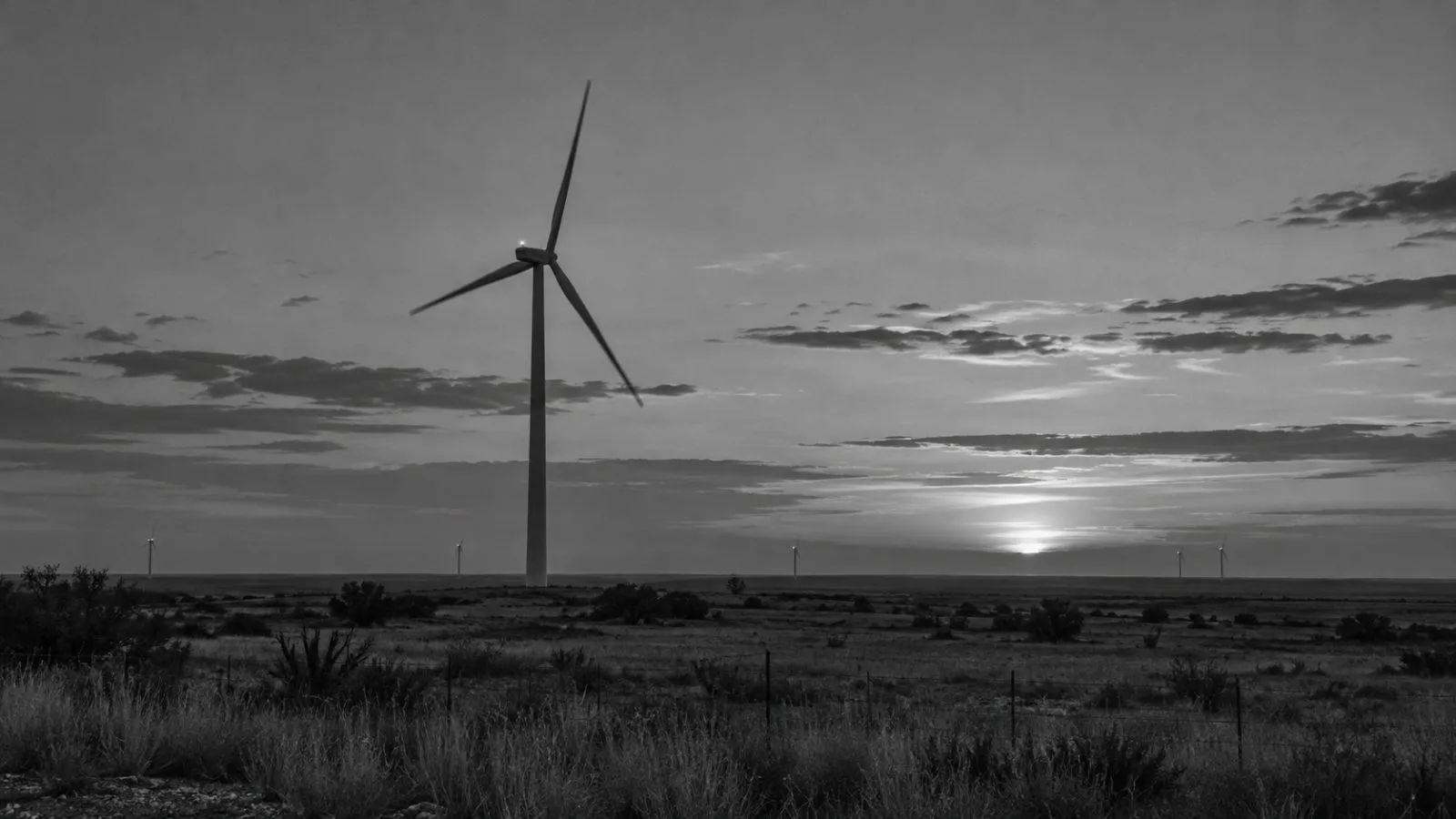
A study led by the U.S. Geological Survey (USGS) estimates 18.7 million bat fatalities at onshore wind facilities in the contiguous United States from 1981 through 2024, as U.S. wind energy expanded.
Researchers modeled fatalities across 10 species using 499 post-construction monitoring reports from 277 facilities. The result is an estimate, not a count of recovered bats. USGS said the annual estimate exceeded 1.5 million per year beginning in 2021.
The largest estimated species totals were about 6.7 million hoary bats, 5.8 million eastern red bats and 3.4 million silver-haired bats. USGS identified those three as migratory, tree-roosting species and said four species accounted for most fatalities. Higher site-level estimates for several species were associated with larger rotor-swept areas, lower clearance above the ground and locations closer to rivers. Those associations do not show that any one factor caused the nationwide rise.
A separate French study analyzed 640 monitoring reports from 141 facilities. In a before-and-after analysis of 38 facilities, estimated fatalities fell 83% for long-range echolocating bats and 84% for mid-range echolocating bats after operators set wind-speed and temperature thresholds using local bat-activity readings. Turbines feathered their blades when conditions met those thresholds. A controlled before-and-after analysis also found reductions at treated sites.
The French researchers found no statistically significant curtailment effect on nocturnal migratory bird mortality. Their comparisons covered matched monitoring periods, not a full-year national measure, and the study did not quantify changes in electricity production.
The U.S. study’s authors said the estimated losses may be comparable to those associated with white-nose syndrome, while noting that the threats affect largely different species. They said population-level assessments are needed to evaluate possible combined effects.