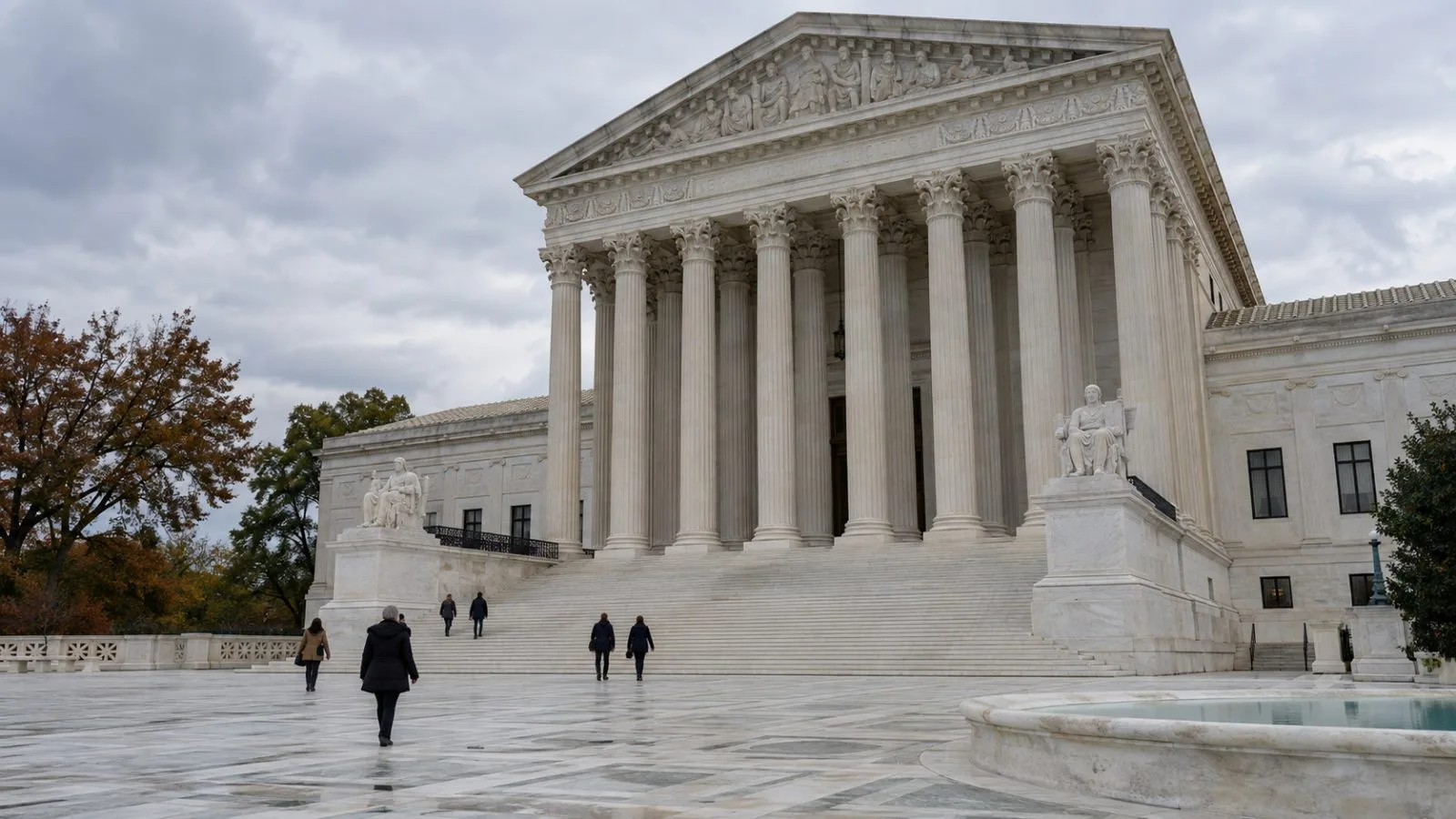
The U.S. Supreme Court on Oct. 21 refused to suspend an injunction preserving pre-2025 gender-affirming care for federal prisoners with gender dysphoria, leaving the protections in place during litigation.
The injunction covers people currently or later incarcerated in Bureau of Prisons facilities who have a gender dysphoria diagnosis or receive one in the future. Their care must follow the bureau’s policies and practices in effect immediately before Jan. 20, 2025.
The court denied the Trump administration’s emergency request to pause the injunction but gave no reason. Justices Clarence Thomas and Samuel Alito said they would have granted the request. The order concerns only whether to suspend the injunction while the case proceeds; it does not decide whether the policy is lawful.
The dispute centers on Bureau of Prisons Program Statement 5260.01, issued Feb. 19, 2026. It bars surgery for gender dysphoria, prohibits starting hormone treatment for that purpose, calls for tapering treatment for current patients and disallows social accommodations. The policy provides for mental health care.
Section 4(c) of Executive Order 14168, signed by President Donald Trump on Jan. 20, 2025, directs the attorney general to ensure the bureau revises its medical care policies. It also bars federal funding for medical treatment intended to make an inmate’s appearance conform to the opposite sex.
In Kingdom v. Trump, U.S. District Judge Royce C. Lamberth found at the preliminary stage that the plaintiffs were likely to succeed on their claim that the policy was arbitrary and capricious. He cited the bureau’s failure to adequately consider its experience under earlier policies. Lamberth also found that continuing the class members’ existing care would not harm public safety or the operation of the criminal justice system.
The administration argued in its Supreme Court filing that scientific information and prison security and administrative concerns supported the policy. It said the bureau had concluded that the treatments were no longer justified as care for gender dysphoria. Lamberth renewed the injunction on Aug. 26; on Sept. 18, the D.C. Circuit dismissed one government stay motion as moot and denied a separate one.
The Supreme Court docket lists no further hearing or decision date.