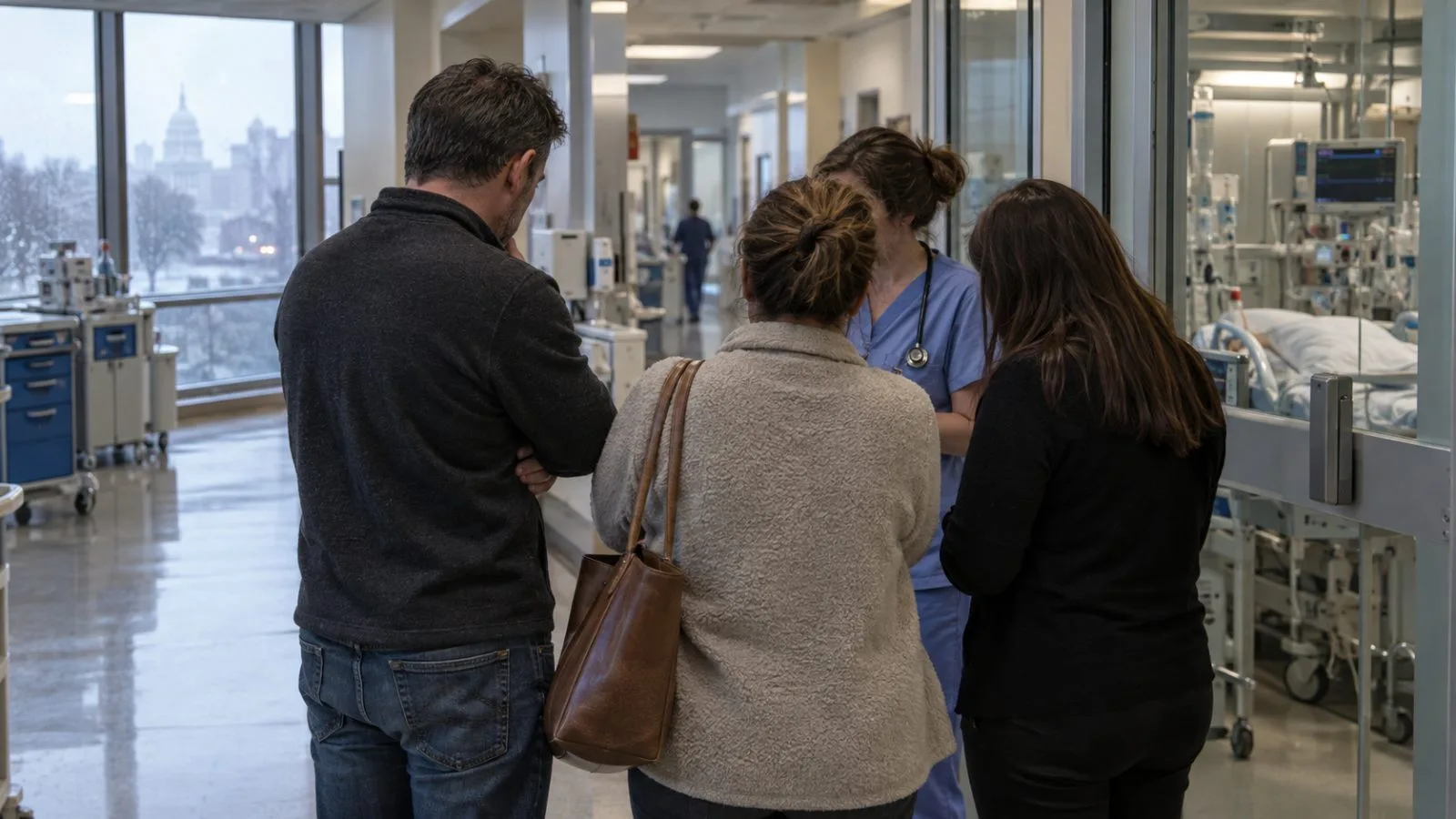
A U.S. transplant network has approved a change that will let organ procurement organizations (OPOs) raise donation earlier in end-of-life care, before withdrawal plans are settled.
The Organ Procurement and Transplantation Network (OPTN) board approved the policy Aug. 20, 2026, and it takes effect Nov. 18. Previously, an OPO could not initiate its own donation discussion until the patient’s legal next of kin had chosen to withdraw life-sustaining treatment. Under the new rule, the conversation may begin once end-of-life discussions with the patient or the patient’s agent have started.
The host OPO must get confirmation from the healthcare team that those discussions are underway and keep a record of it. The OPO and care team must coordinate when donation is raised. The policy says withdrawal decisions “should not be influenced by the donation decision.”
Donation after circulatory death (DCD) involves organ recovery after death is declared based on irreversible loss of circulation and respiratory function. An OPTN briefing paper counted 7,283 DCD donors in 2024, or 43% of deceased donors. In 2010, it counted 943 DCD donors, or 12% of the total. The Health Resources and Services Administration (HRSA) said more than 100,000 people in the United States were awaiting transplants as of April 1, 2026.
The OPTN workgroup said the former timing rule was meant to preserve public confidence by keeping treatment decisions separate from donation talks. It also said conversations held late could leave families with little time to adjust their plans. The Association of Organ Procurement Organizations argued in a public comment to HRSA that families need information early enough to understand how donation may affect timing. An anonymous commenter in the same docket warned that raising donation sooner could influence a decision to withdraw life support.
The policy establishes a way to pause a case over safety concerns. HRSA said families and healthcare professionals will be told they can request a pause; OPOs must report unplanned pauses, and at least five minutes must pass after circulation stops before organ recovery. OPOs also face the rollout work: revising internal procedures, preparing staff, coordinating with donor hospitals and handling additional records and reports, according to the briefing paper. The changes take effect Nov. 18, 2026.