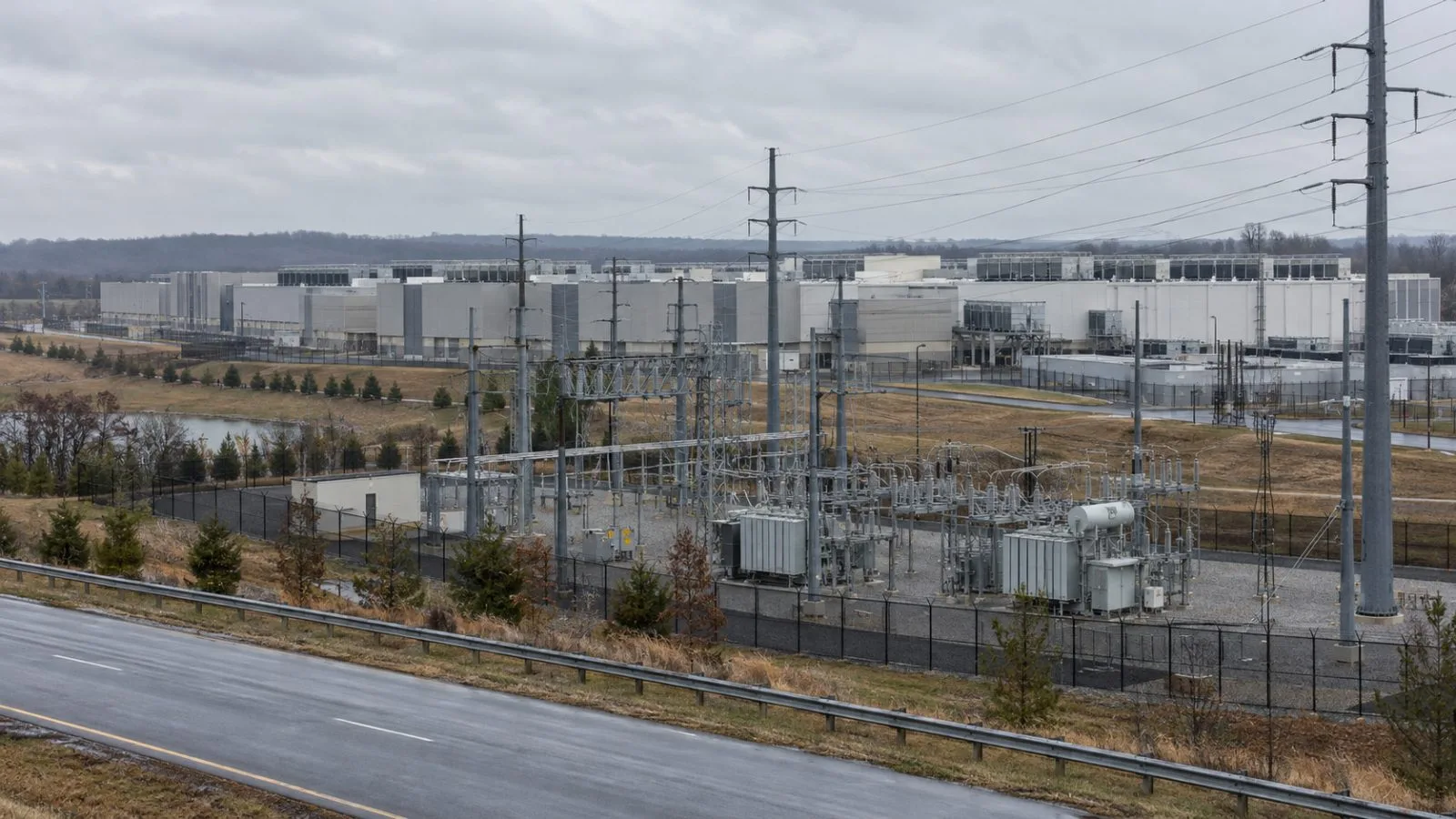
At least 41 local ballot questions in 38 U.S. jurisdictions will ask voters to place new limits on data center development Tuesday, Nov. 3, amid local concerns about facilities' electricity and water needs. Ballotpedia's tally, cited by The Independent, covers 10 states and includes proposals that could delay or stop projects.
Ohio has the largest count, with 21 proposals spread across more than a dozen jurisdictions, Ballotpedia data show. The Independent reported that Ohio is among the country's fastest-growing markets for the industry. Data centers supply computing capacity used by AI applications.
Jessica Baker, a campaigner with Conserve Ohio, told The Independent that supporters of bans on some facilities include Democrats and Republicans. “We all want the same thing,” she said. Baker said electricity and water use are central concerns. She added that residents may continue to object even when developers generate power at a facility using gas turbines or nuclear reactors, citing fears about possible health effects on children, including asthma.
A proposed 25-megawatt ceiling on data center power use in Sunbury, near Columbus, could put Amazon's planned $2 billion project there at risk. Amazon's public policy lead, Shannon Kellogg, addressed local questions in an October television appearance. An Amazon spokesperson told The Independent the company presented the project as a source of local employment and public revenue, as well as support for customer technologies. The spokesperson said Amazon's commitment to host communities would “remain the same” regardless of the vote. The company declined to say whether ballot proposals elsewhere would affect its wider expansion plans.
Baron Fung, who oversees IT infrastructure research at Dell'Oro Group, told The Independent that a setback at one location would not necessarily eliminate related demand; some of it could be met at another site. John McWilliams, head of data center insights at Cushman & Wakefield, told The Independent that U.S. data center capacity under construction in June 2026 was 48% above its December 2025 level, measured in gigawatts. He also said projects are proceeding in some parts of the country. Voters are scheduled to decide on the measures Tuesday, Nov. 3.