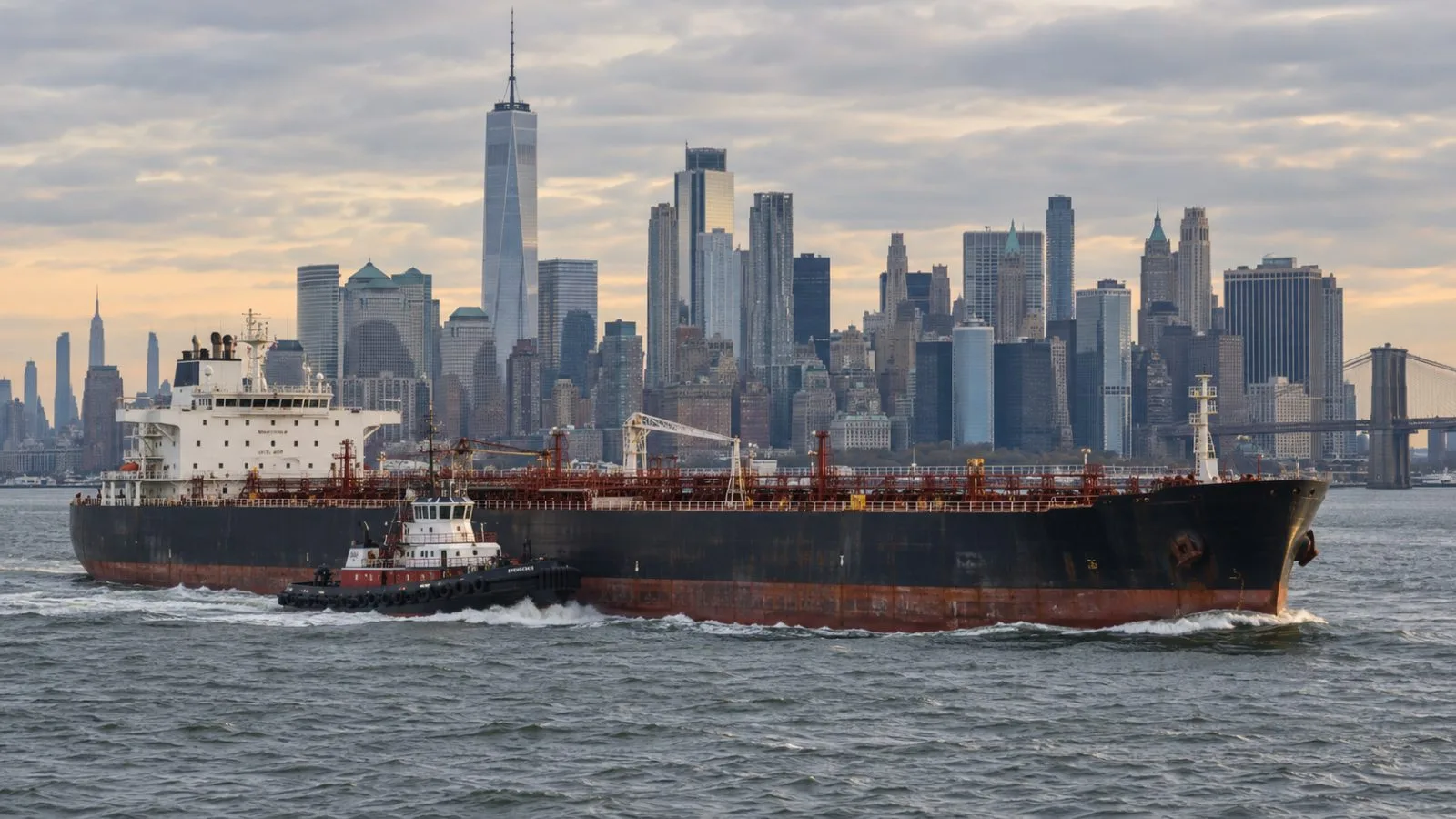
U.S. Energy Secretary Chris Wright outlined a proposed approval process for idle sanctioned tankers, but analysts see limited prospects for usable capacity as diesel costs remain high.
In a Bloomberg interview at a Citadel Securities event in New York on Oct. 19, Wright said investors had approached the administration about buying inactive tankers, refurbishing them and using them to carry oil that is not under sanctions. He said the ships would stop carrying sanctioned oil. Wright gave no eligibility rules, start date or explanation of how sanctions on the vessels would be handled.
Wright estimated that about 1,600 vessels operate in the global “dark fleet.” That broad estimate does not show how many could enter regular oil trade. Kpler screened roughly 160 U.S.-sanctioned very large crude carriers and identified about 24 potential candidates after considering age and ownership. The estimate does not mean those ships are ready to sail. Vessel condition, insurance and safety could present further barriers to commercial use; Wright has not described them as approval requirements.
The U.S. Energy Information Administration (EIA) said on-highway diesel averaged $6.276 a gallon in the week of Oct. 19, $2.656 more than a year earlier. The International Energy Agency (IEA) linked disruptions to Middle Eastern and Russian exports to a year-over-year decline of 1.7 million barrels a day in global diesel and gasoil availability in the third quarter.
A separate BRS Shipbrokers assessment found that 14 tankers appeared to have been idle for more than three months, S&P Global Energy reported. BRS examined 148 deep-sea tankers sanctioned solely by the U.S. Treasury Department’s Office of Foreign Assets Control as of Oct. 19. Its group differs from the very large crude carriers Kpler screened.
Kpler said risks to ships and crews near the Strait of Hormuz are a major driver of freight rates, limiting what added tanker capacity alone could achieve.
The IEA expects gasoil supply to fall short of demand in the fourth quarter of 2026. It says lost gasoil inventories, apart from normal seasonal changes, are unlikely to be replenished before the second half of 2027. The EIA’s next diesel-price update is scheduled for Oct. 27.