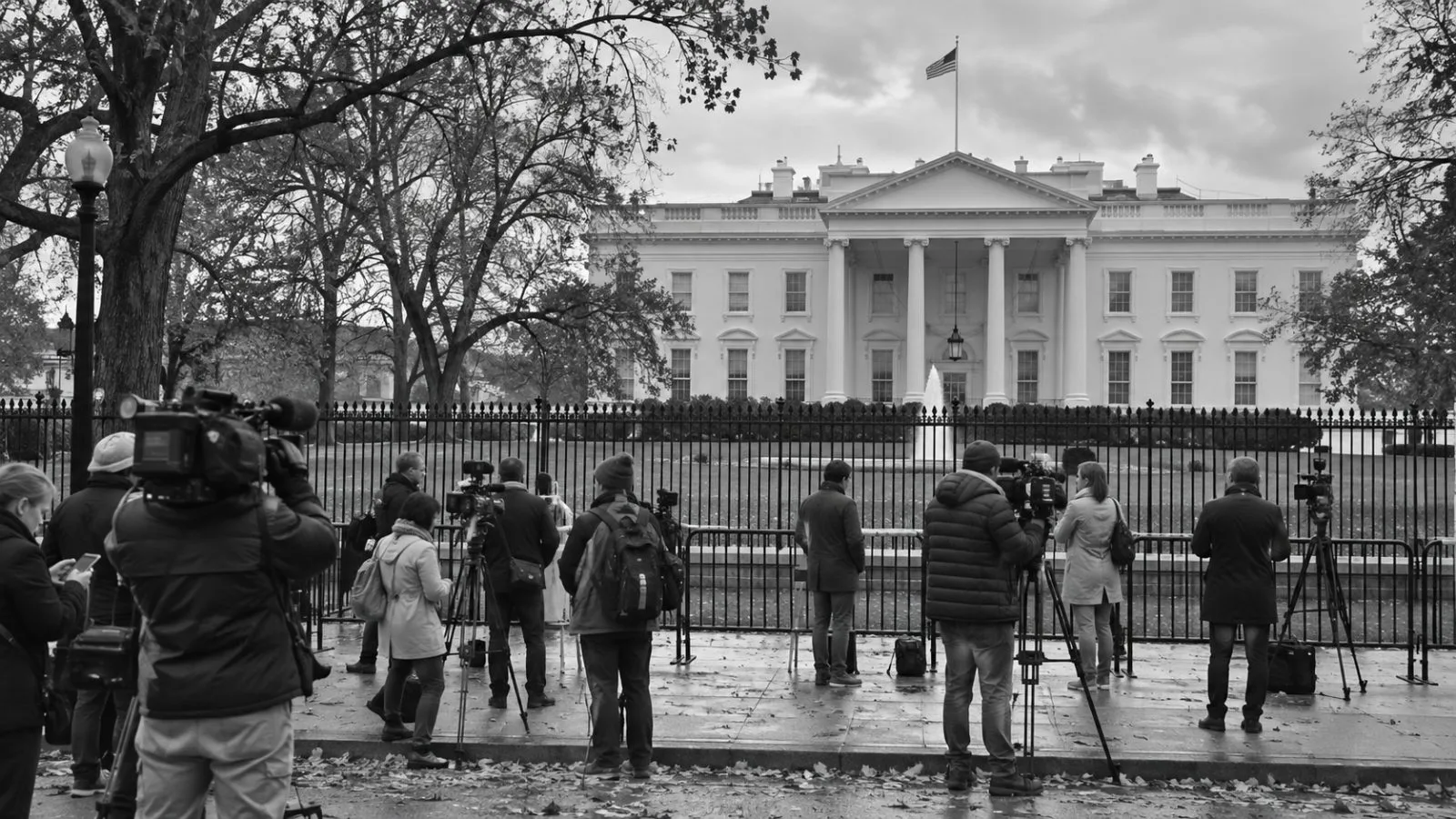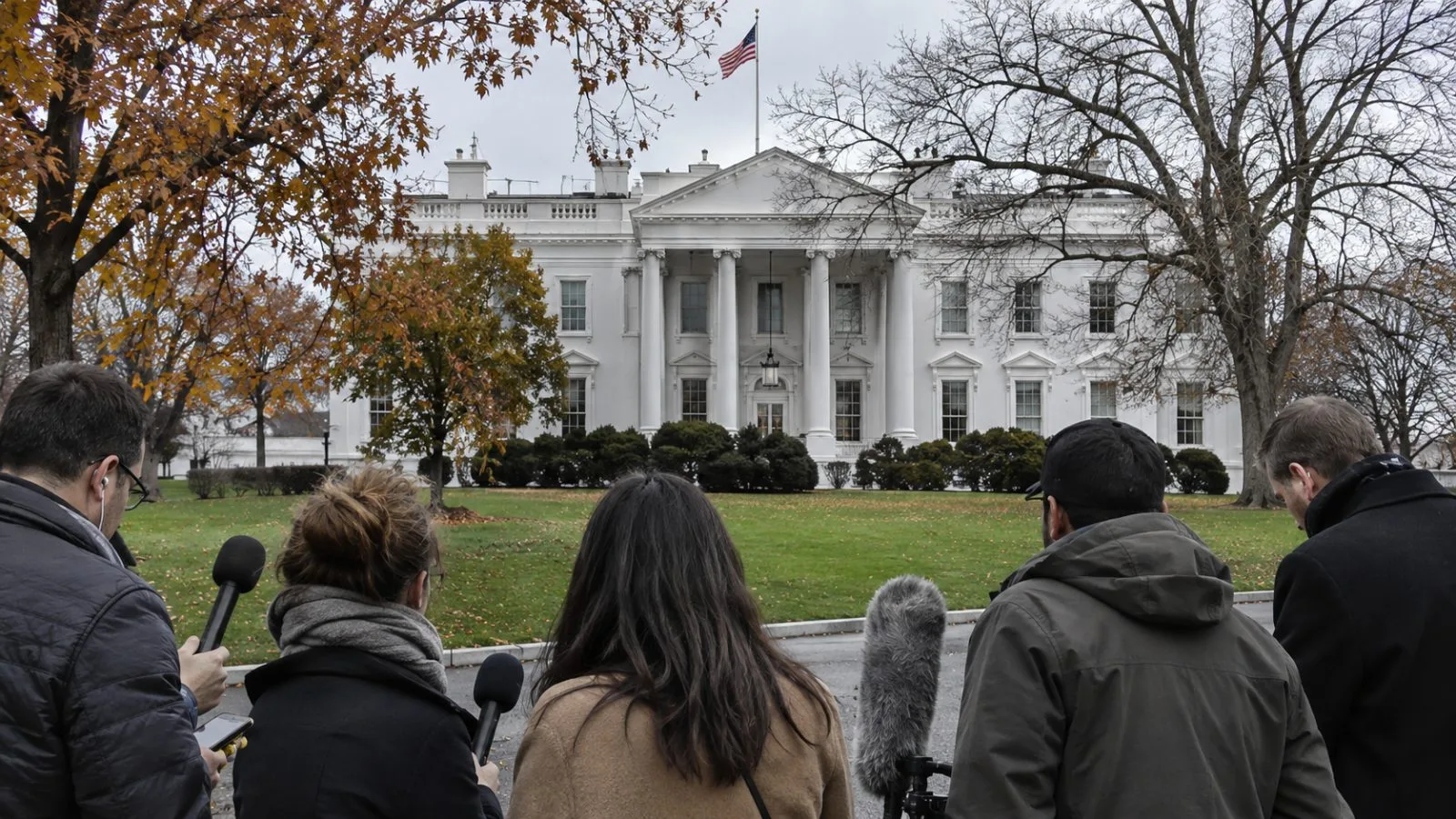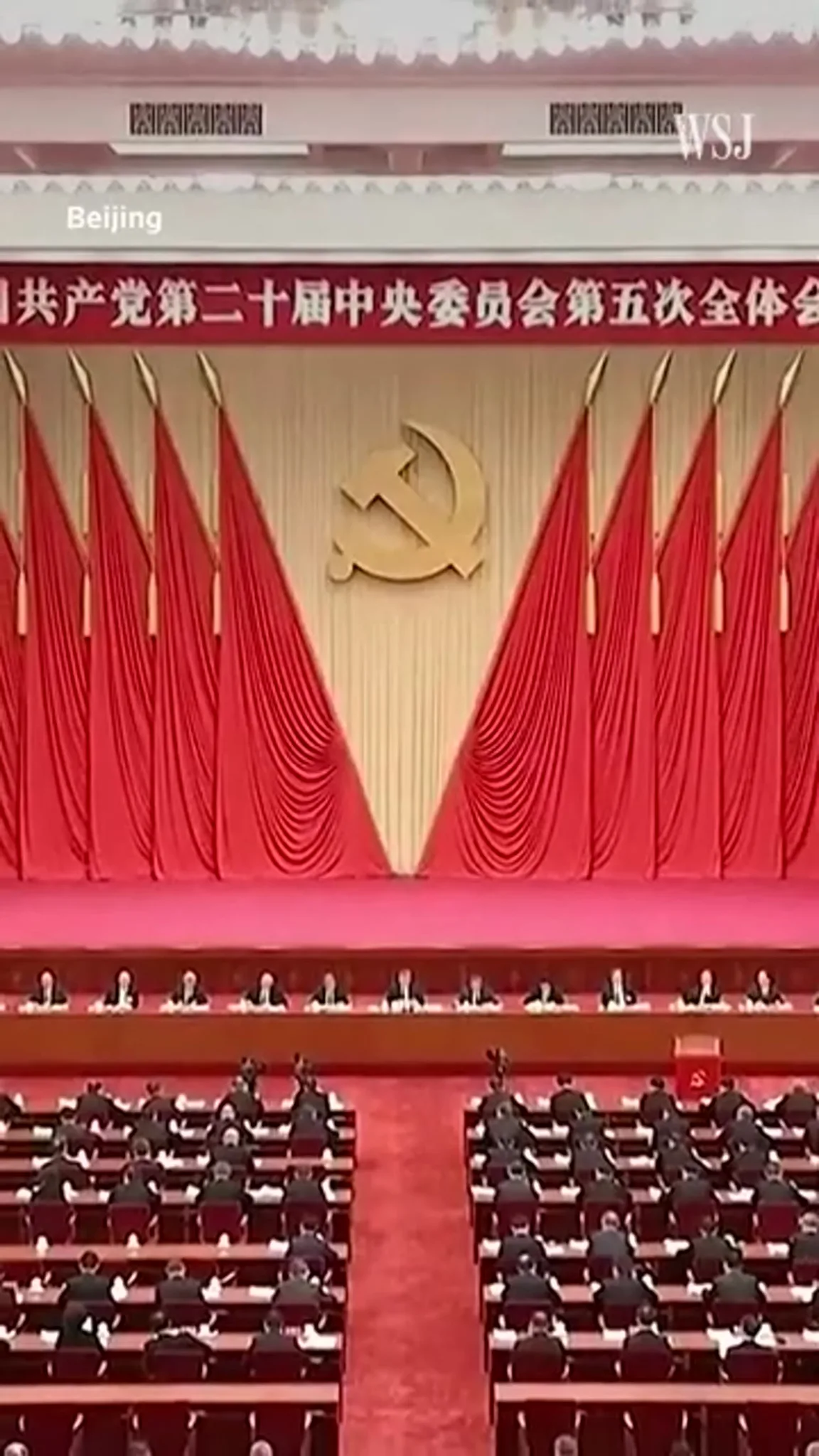
The U.S. trade representative plans to propose tariffs of about 20% on Chinese goods and other trading partners. Many of those partners are in Asia, and the proposal also includes the European Union, reopening tensions as Washington and Beijing maintain a fragile truce, The Wall Street Journal reported in a Nov. 26 news video.
The proposed rate would be far below the tariffs imposed during last year’s trade war, when U.S. duties on Chinese imports rose above 100% after Donald Trump returned to office. China responded with reciprocal tariffs that were so high neither side could sustain them, leading quickly to a truce and bringing the rates back down.
China remains central to the dispute because it is the world’s main manufacturing base and the world’s factory floor. It recorded a trade surplus of more than $1 trillion with the rest of the world last year, a level that had never been seen in human history. The surplus appears set to reach another record this year.
Chinese households have been reluctant to spend money, leaving exports as the main engine of the economy. The prospect of tariffs returning to the center of policy debate is therefore putting pressure on decision-makers in Beijing and worrying policymakers there.
China has not yet delivered its strongest response. Its officials have said trade wars benefit nobody and that disputes should be settled through dialogue. They have not yet unleashed their full response to the proposal.
The latest tariff proposal follows a recent meeting between Chinese President Xi Jinping and U.S. President Donald Trump in Shenzhen. Xi personally greeted Trump at the airport, and the two leaders displayed warm relations during the visit, including an embrace on the tarmac.
The new measures have raised questions over whether that detente can continue. Beijing could study the details before deciding how much the tariffs would hurt China, and it could choose to retaliate. The calculation could determine whether China takes a harder line.
Both governments have strong reasons to preserve the truce. Neither side wants to see tariffs rise again. China also controls major global supply chains for rare earth minerals, which are used as important inputs in advanced technologies, including military equipment.
That supply gives Beijing a potential response beyond tariffs. Higher duties could also push prices up for Americans, raising the risk that a renewed trade war would hurt the U.S. economy. Reigniting the conflict and raising tariffs could therefore have a backfiring effect on growth.
The announcement leaves open the final tariff rate, the scope of the measures and whether China will answer with its own restrictions. It also leaves both sides waiting to see whether the fragile truce can hold.