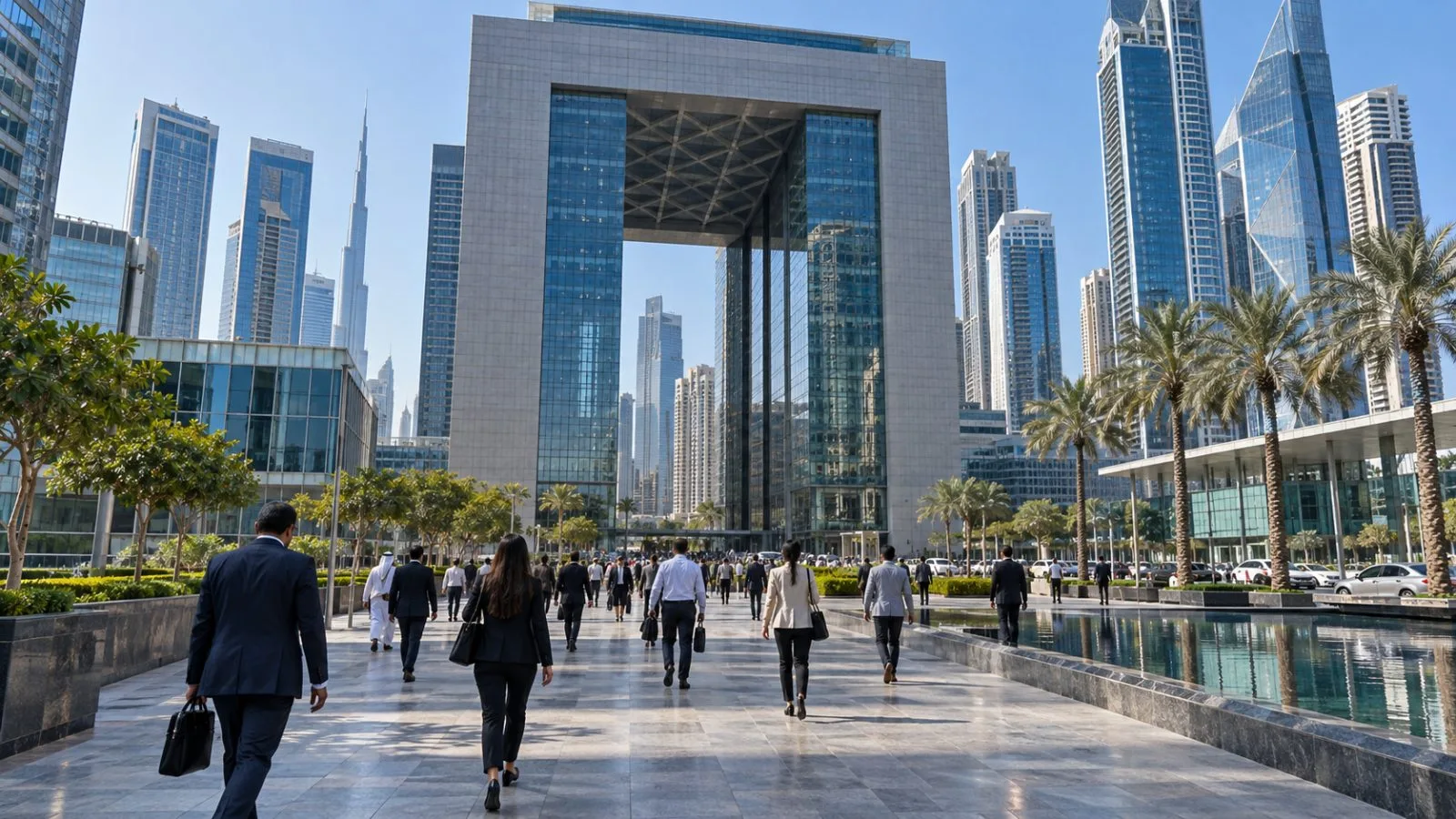
Hiring activity in the United Arab Emirates rose 4% in the third quarter of 2026, leading the Gulf Cooperation Council (GCC) even as war-related shipping disruption weighed on the region’s economy.
Cooper Fitch’s figures showed a 2% increase in hiring activity across the GCC from July through September after a 3% decline in the preceding quarter. In the UAE, the third-quarter rise followed a 4% drop in April through June.
Saudi Arabia registered a 1.5% gain and Oman 0.5%. Hiring fell 1% in Qatar and 2% each in Kuwait and Bahrain, leaving the regional increase unevenly distributed.
Energy hiring across the GCC rose 7%, while strategy gained 6% and finance 5%. Banking declined 4%, and investment management fell 5%. Those figures cover the six-country region rather than the UAE alone.
Cooper Fitch said employers resumed searches they had previously paused, including in energy. Some candidates with specialized energy skills received more than one offer, increasing competition among employers seeking them.
In a previously published description of its methodology, Cooper Fitch said its Gulf Employment Index measures new job activity using the firm’s own data. The reported changes describe recruiting activity, not growth in the number of people employed.
The International Monetary Fund (IMF) forecasts that UAE real gross domestic product will contract 3.9% in 2026 before growing 7.7% in 2027. Those annual output forecasts and Cooper Fitch’s quarterly hiring figures measure different aspects of the economy.
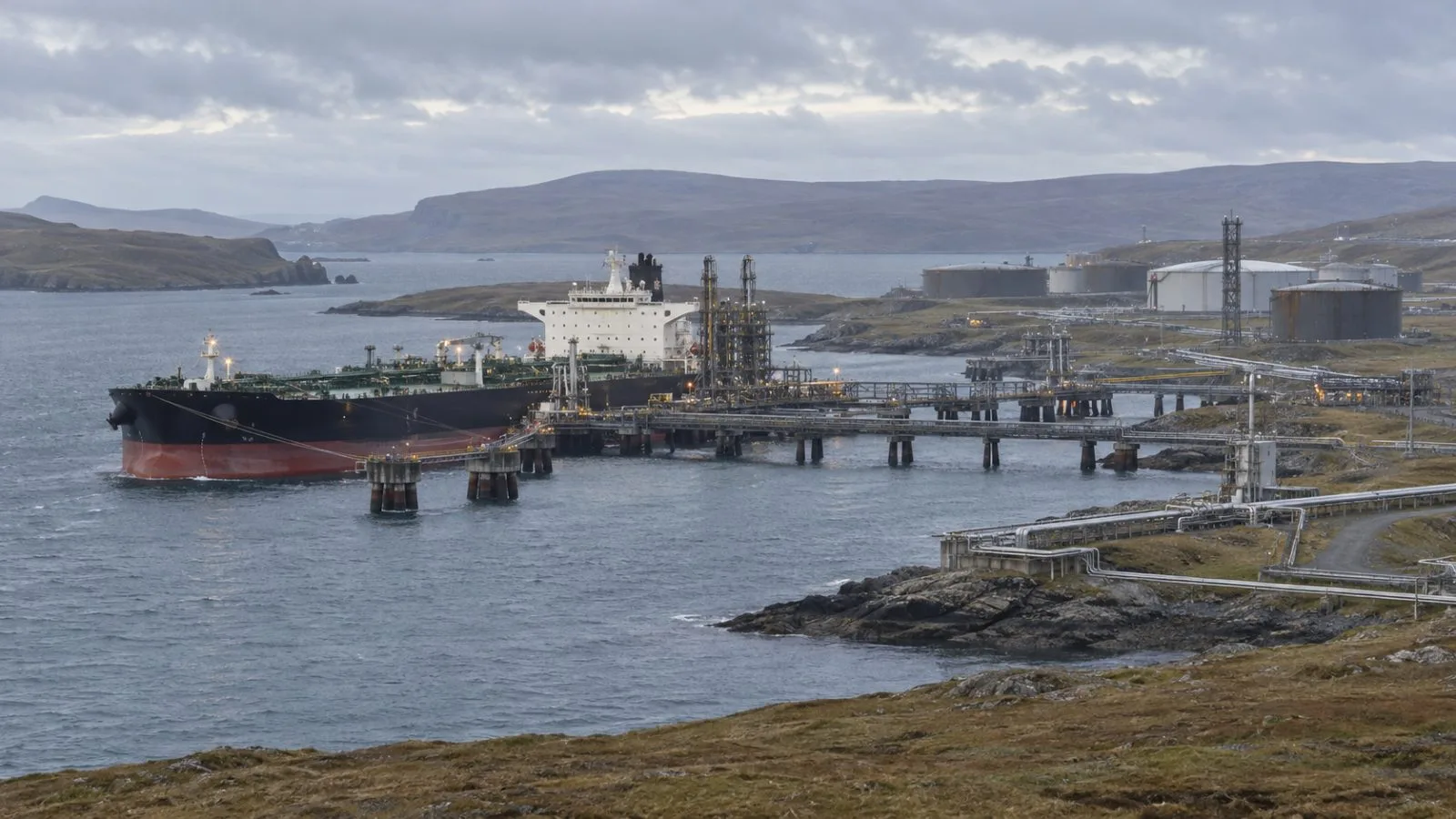
The IMF said disruption in the Strait of Hormuz and the Red Sea had curtailed Gulf oil and gas exports, while weaker trade and confidence constrained other activity. Its outlook assumes the strait begins reopening in March 2027; that is a forecast assumption, not an announced timetable.
Cooper Fitch said high costs and uncertainty over trade and shipping remained concerns for employers. Fourth-quarter hiring will be the next indication of whether the recruitment rebound persists.