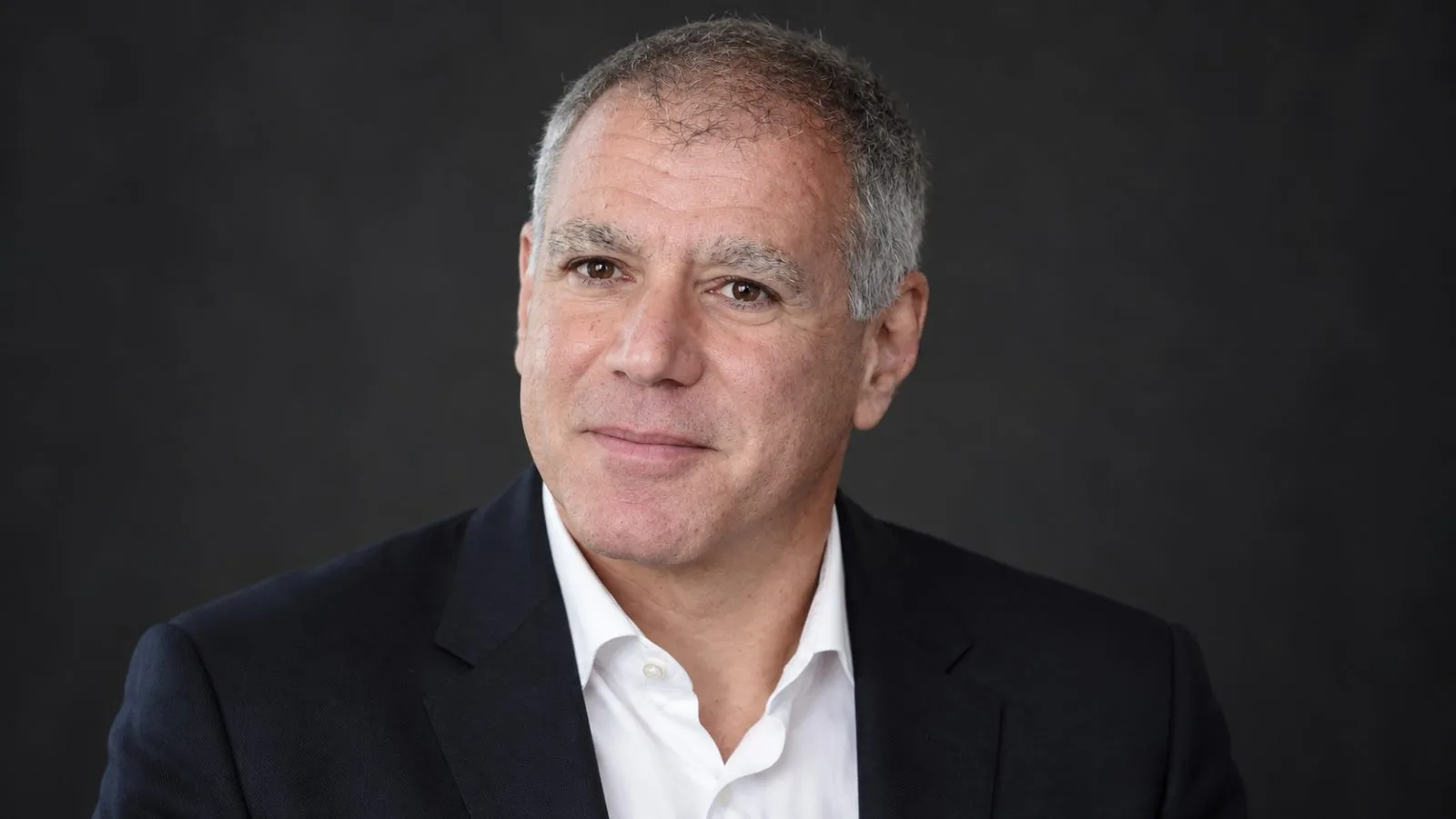
HSBC Group CEO Georges Elhedery told The National the bank is not worried about its Gulf property exposure or regional corporate loans, despite a sharp downgrade to the Gulf Cooperation Council's 2026 growth outlook.
The International Monetary Fund (IMF) projects GCC real GDP will contract 4.8% in 2026 before growing 9.1% in 2027. The 2026 forecast is 6.8 percentage points below the Fund's April projection for 2% growth; that earlier outlook had put 2027 growth at 4.8%. The IMF linked the weaker outlook to disrupted energy output and shipping, higher food and energy costs, and uncertainty. It said oil exporters most exposed to the conflict faced the heaviest pressure, while redirected supplies, inventory use, policy support and adjustments by firms and households helped cushion the shock.
Elhedery said HSBC was monitoring regional risks and acknowledged that individual challenges could still emerge. “You can't rule them out,” he told The National. The outlet published the interview on Oct. 26; its report did not quantify the bank's Gulf property exposure or regional corporate loan book.
HSBC's interim results show $2.4 billion in groupwide expected credit losses and other credit impairment charges for the six months ended June 30, 2026. The bank said its first-half allowances reflected uncertainty related to the Middle East conflict but did not publish a regional breakdown. The National put HSBC's first-half provisions for possible Middle East loan losses below $400 million, saying broader economic and growth assumptions informed most of the sum.
HSBC has scheduled its third-quarter results for release on Oct. 27.